Tabas Travertine Stone
Tabas Travertine, quarried in South Khorasan, Iran, is a light-bodied natural stone with distinctive silver and dark veining, closely resembling the p...
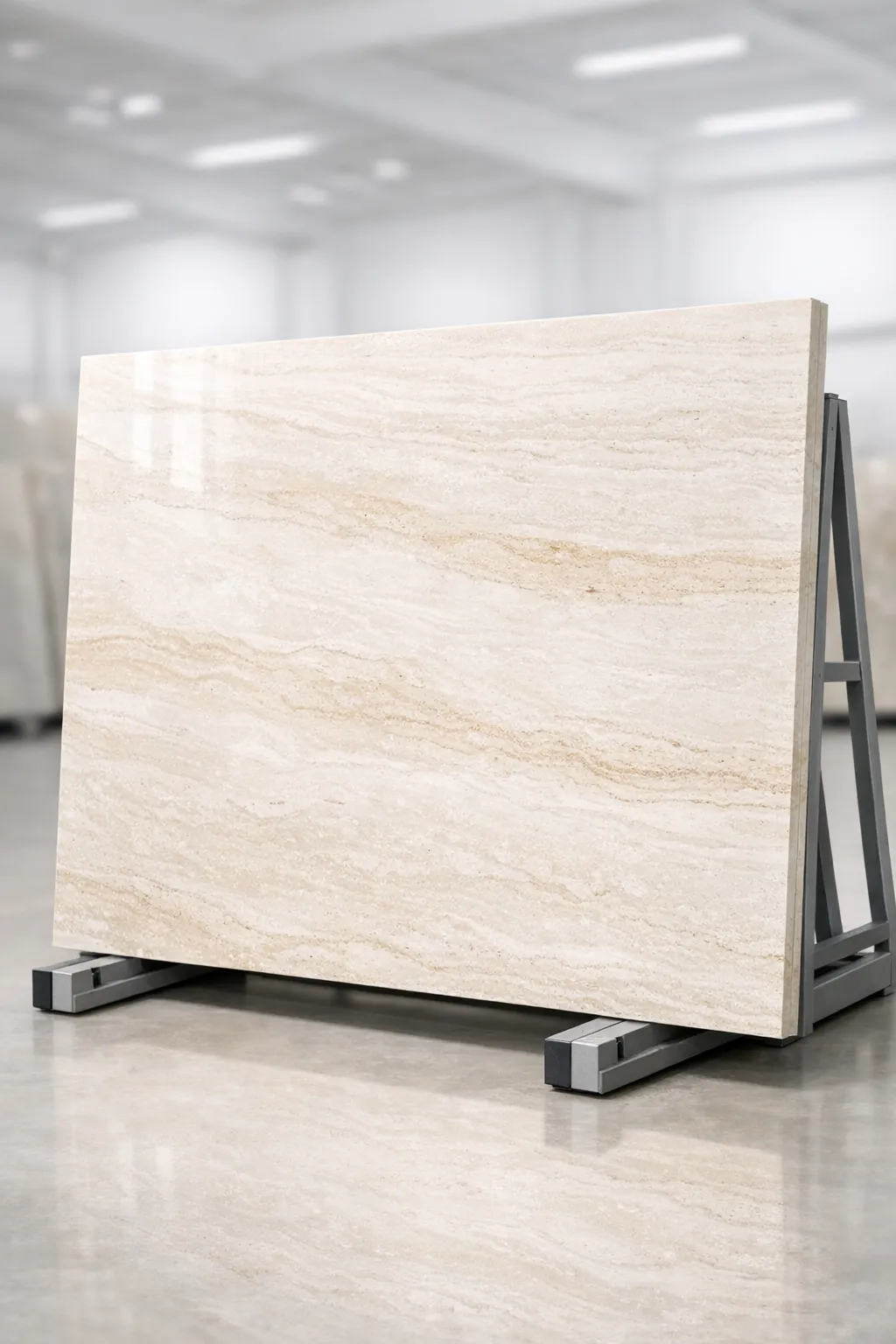
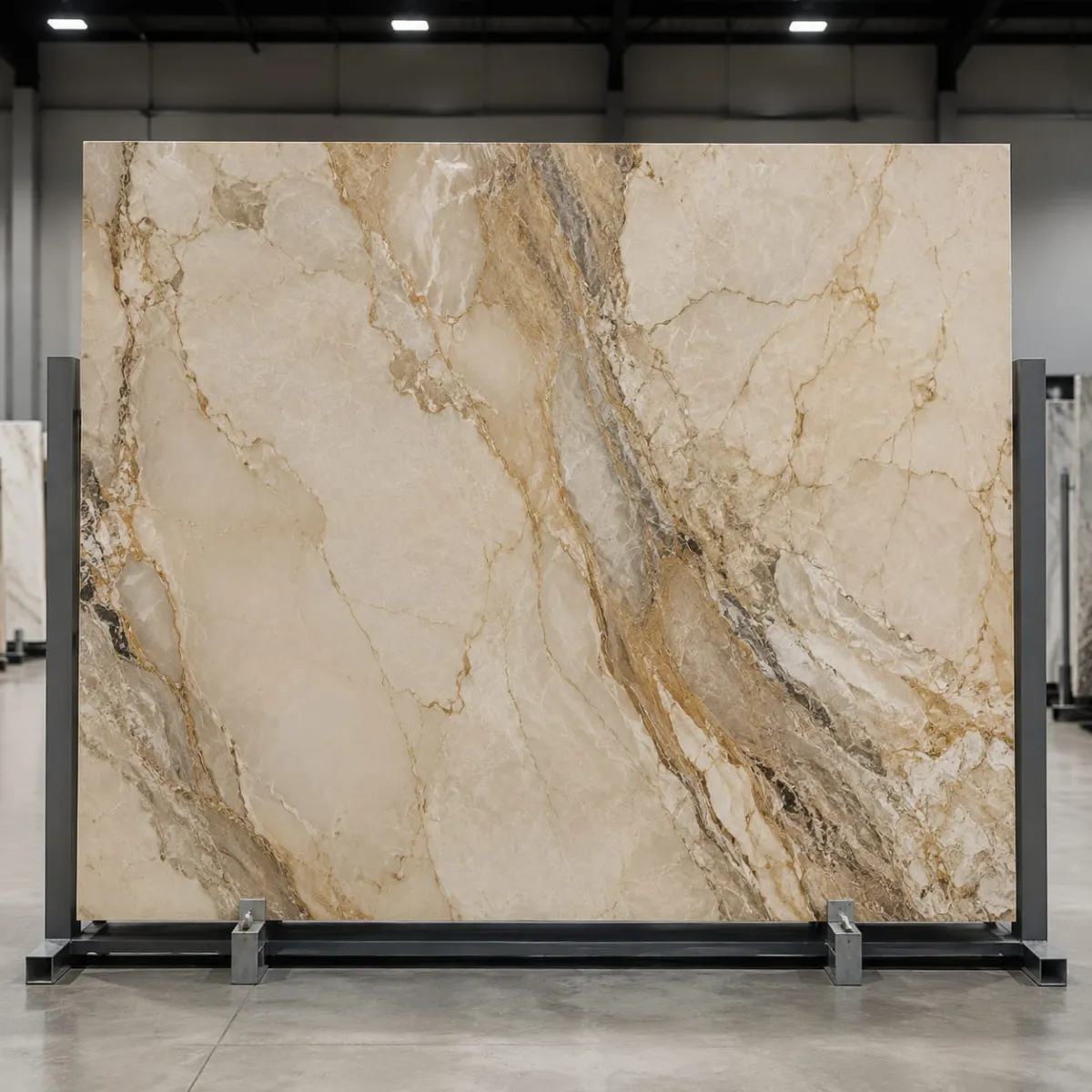
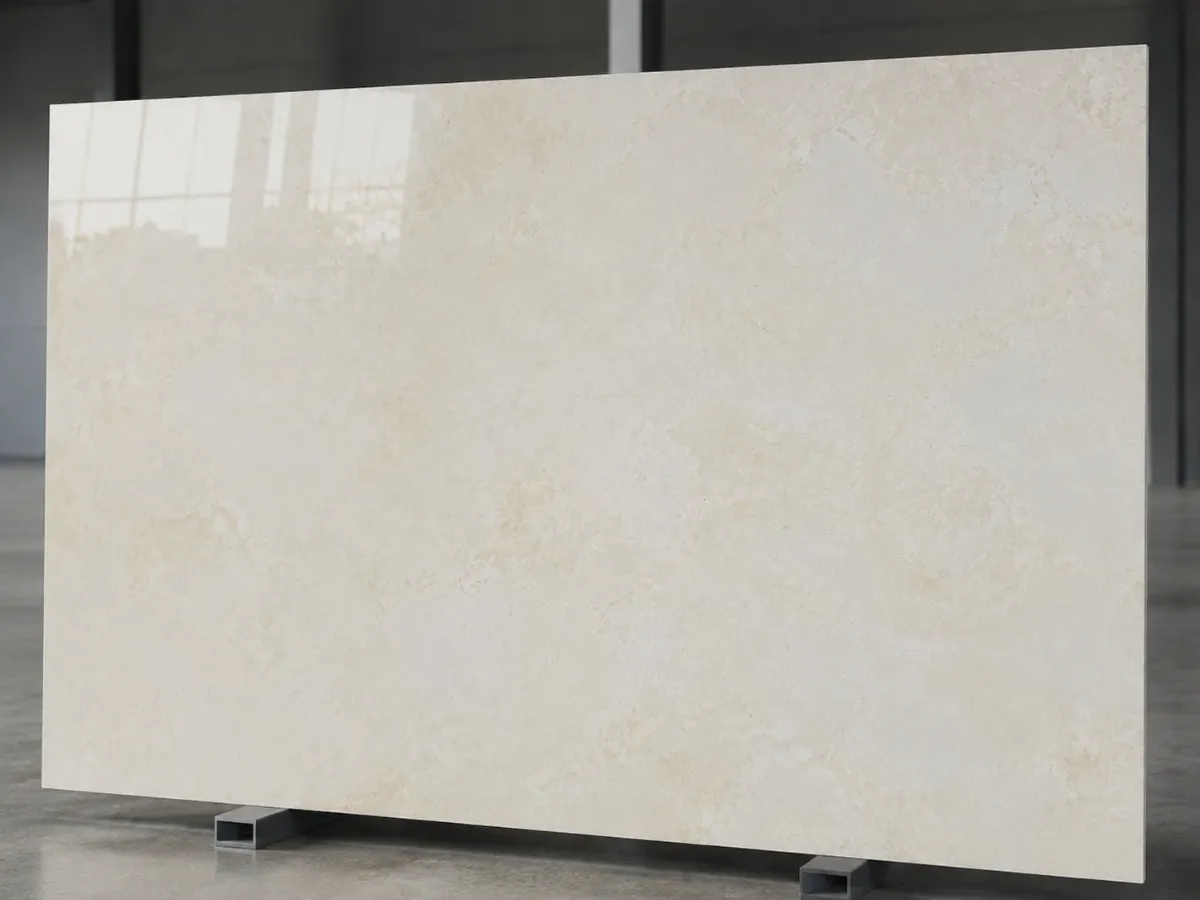
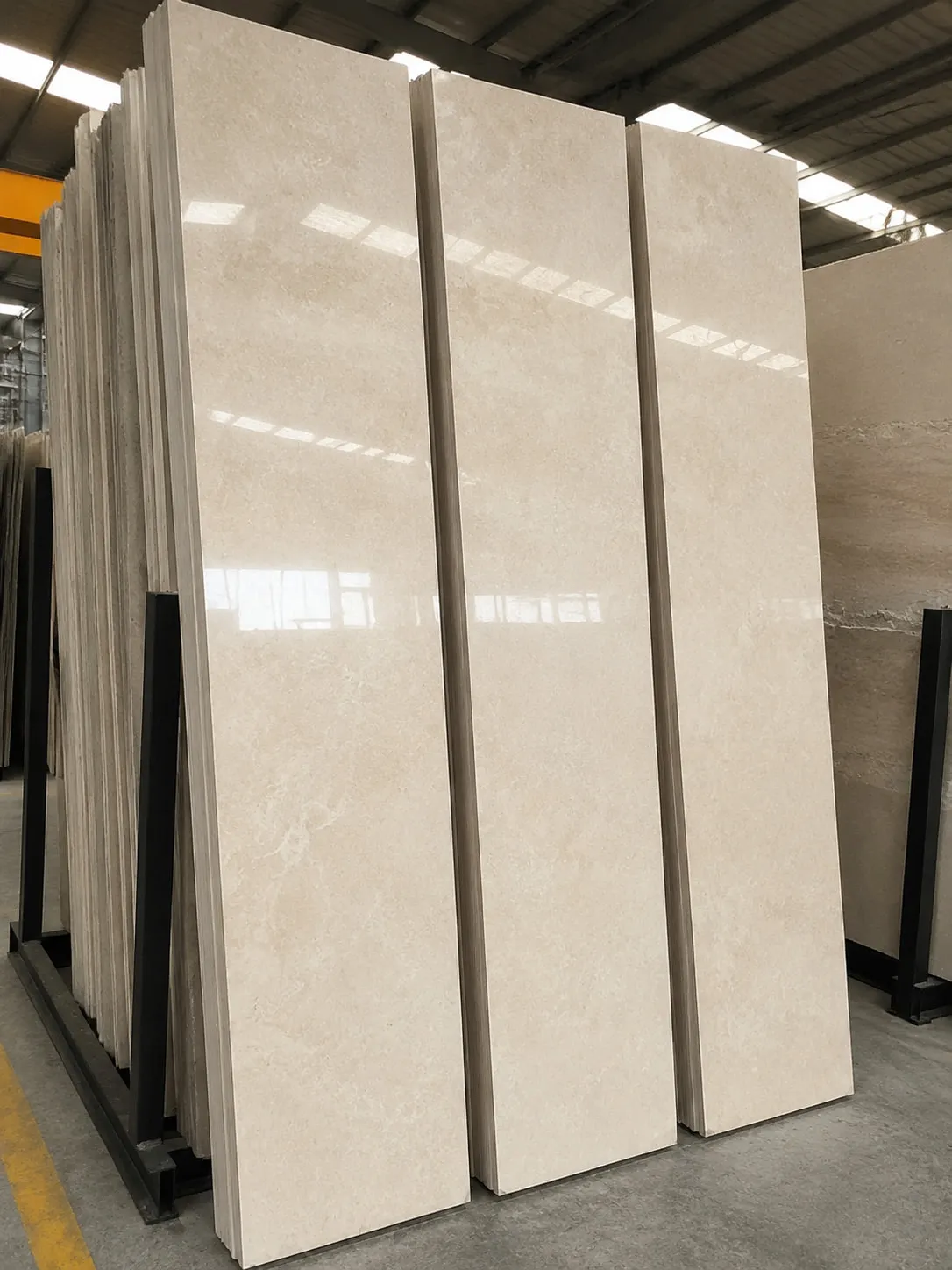
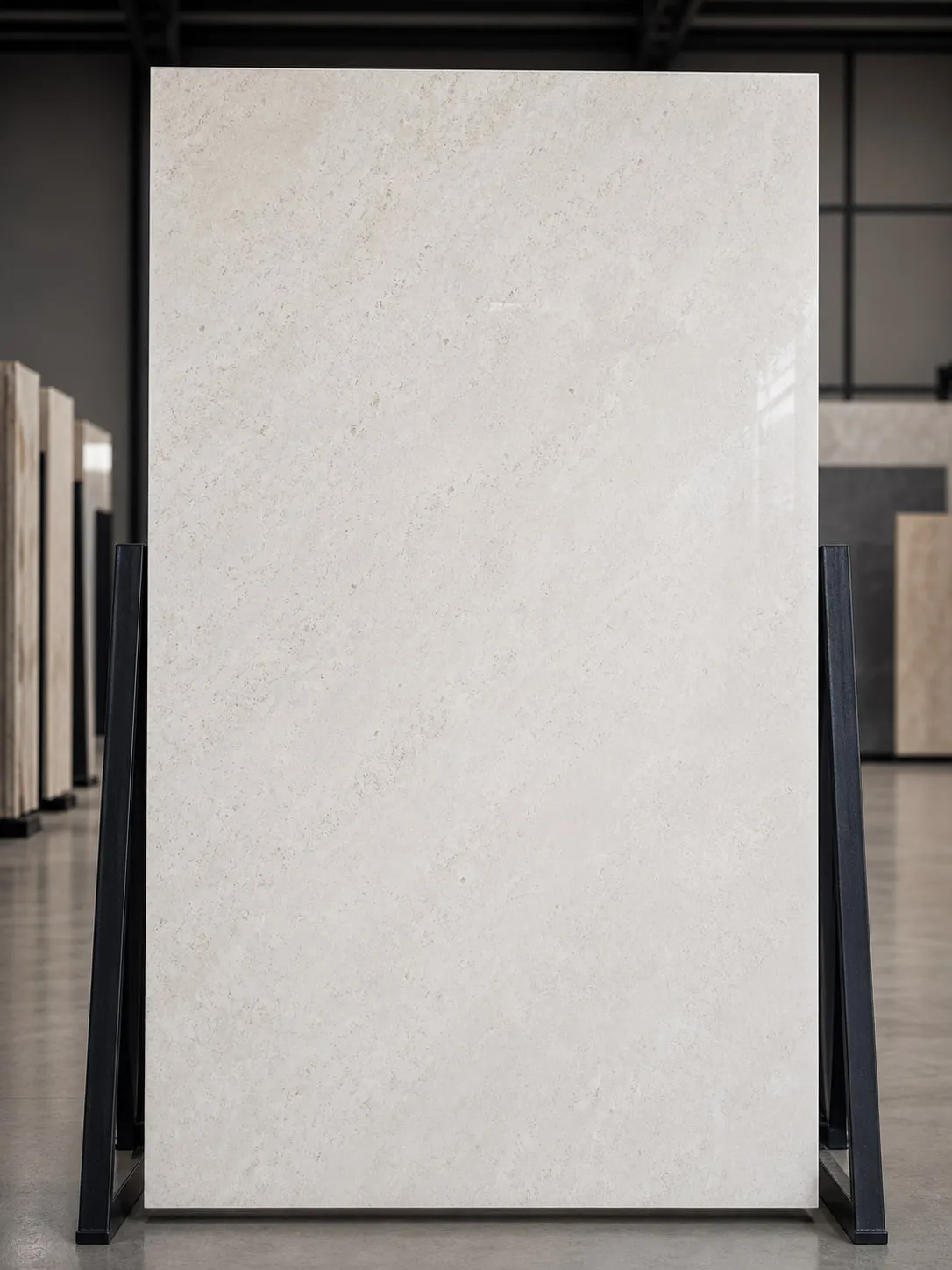
Tabas Travertine, quarried from the South Khorasan province in Iran, is a highly sought-after natural stone known for its light, white to creamy background and distinctive black, silver, and brown veins. This stone bears a striking resemblance to the more expensive and highly regarded Abbas Abad travertine but is offered at a significantly more economical price point, making it a strategic choice for large-scale projects . Its wavy texture and natural porosity not only contribute to its aesthetic appeal but also provide excellent adhesion with mortar, a key advantage for facade installations . The stone is available in a range of finishes, including polished, honed, and leather, and can be processed in both wavy and non-wavy cuts to suit various architectural styles . Its suitability for both interior and exterior applications, from classic facades to modern interior walls and landscaping features, further enhances its versatility .
Key Features of Tabas Travertine
- Visual Appeal: Offers a clean, light background with pronounced waves and natural veins, providing a high-end look for facades and interiors .
- High Adaptability: Its natural texture ensures strong adhesion with cement mortar, a critical quality for building exteriors .
- Finish Versatility: Can be supplied with a polished surface for a glossy look, or a honed or leather finish for a more muted, textured feel .
- Insulation Properties: Acts as a relative insulator against heat and sound, contributing to building energy efficiency .
- Processing Options: Available in both wavy (cross-cut) and non-wavy (vein-cut) cuts, offering distinct visual patterns to match design requirements .
Architectural Applications
Tabas travertine is a multi-purpose stone suitable for a wide array of architectural uses. Its primary application is in the exterior and main facades of buildings, where its light color and distinct veins create a timeless and sophisticated appearance . It is equally effective for interior wall cladding in commercial complexes, hotel lobbies, and residential projects. Additionally, its workability makes it a popular choice for creating stone artifacts such as fountains, planters, and various landscaping features like stone tables and benches .
Comparison with Abbas Abad Travertine
A key consideration for any professional is its relationship to the industry benchmark, Abbas Abad travertine. The primary distinction lies in their visual and physical characteristics: Tabas travertine typically features more distinct, pronounced waves and a slightly darker or more varied background compared to the highly uniform, pure white appearance of higher-grade Abbas Abad . From a technical standpoint, Tabas travertine is noted to have slightly higher porosity than its counterpart . The choice between the two is not a question of one being inherently superior, but rather one of project priorities. For projects where budget optimization is crucial and a slightly more textured, wavy pattern is aesthetically desirable, Tabas travertine presents an excellent, cost-effective alternative to the premium-priced Abbas Abad, which is often reserved for luxury, high-budget developments .
Selection and Installation Considerations
To ensure the longevity and optimal performance of Tabas travertine, several key considerations must be addressed. As a naturally porous stone, it is essential to fill its surface pores using resin and epoxy materials during the processing stage to enhance durability and prevent staining, especially in humid environments . The stone is supplied in various grades, including super, premium, and first class, with a brighter and more uniform background commanding a higher price . For exterior applications in areas with harsh winters, it is important to note that its resistance to extreme cold may be a limitation; however, this can be mitigated with proper sealing and high-quality installation . Its competitive price, ease of cutting into diverse dimensions like tiles, slabs, and longitudinal pieces, makes it a practical option for mass production and large-scale construction projects .
In summary, Tabas travertine successfully merges visual appeal with practical economy, making it a reliable and versatile material for a wide spectrum of modern and classical architectural projects.
| Stone Type | Travertine |
| Suitable for | Indoor & Outdoor |
| Texture | Wavy |
| Mine | Tabas, South Khorasan |
| Colors | White (Creamy)، With Black & Silver Veins، Brown & Pink Veins (in some varieties) |
| Qualities | Super، Grade 1، Grade 2، Commercial |
| Thicknesses | 1 cm، 1.5 cm، 2 cm، 3 cm |
| Compressive | Medium to Good (exact numerical data unavailable - similar to other travertines) |
| Abrasion | Good (usable for medium-traffic flooring) |
| Water Abs. | Variable (in different sources, reported less or more than Abbasabad travertine) |
| Porosity | Medium to High (natural travertine property and good mortar adhesion factor) |