Abarkooh Travertine Stone
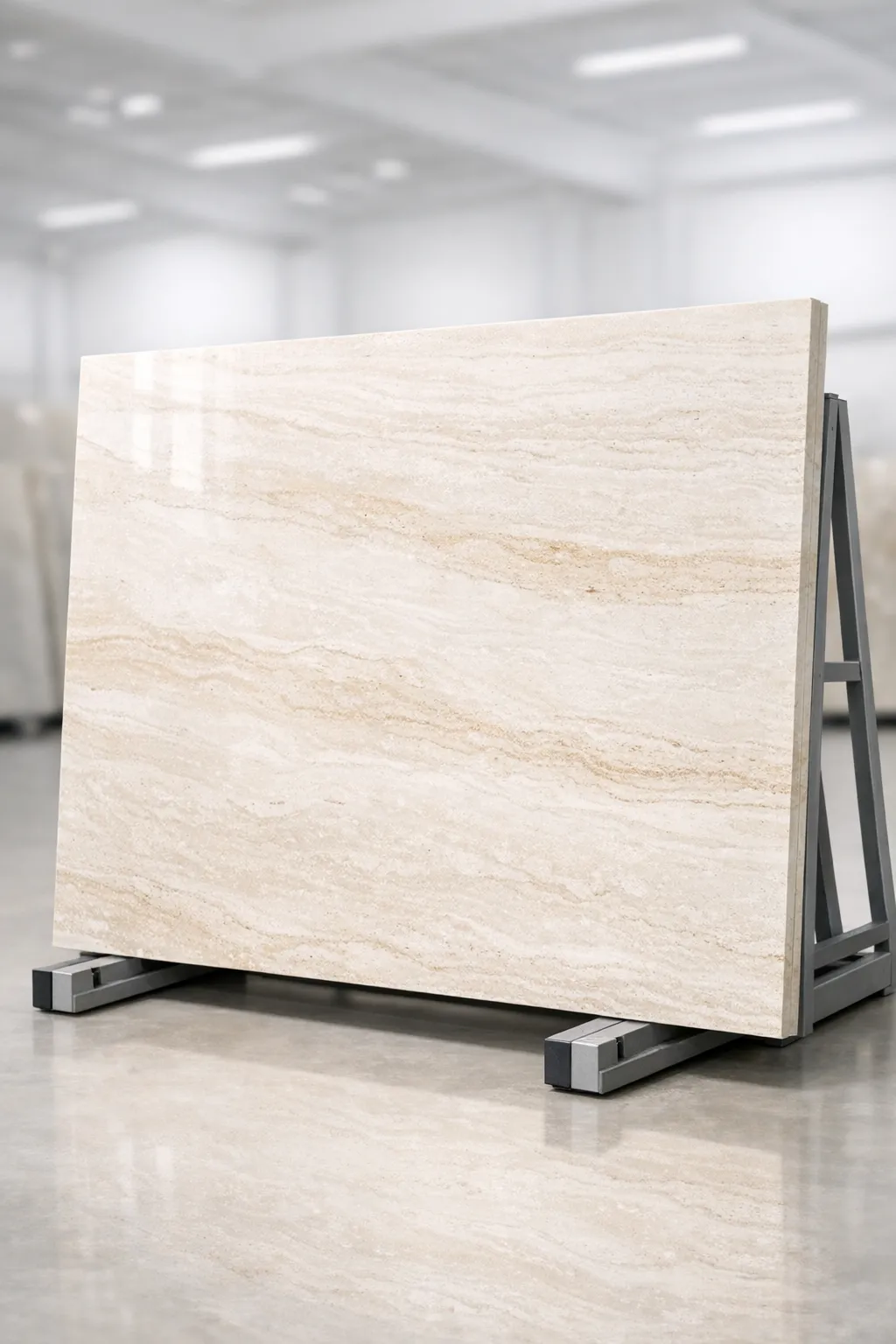
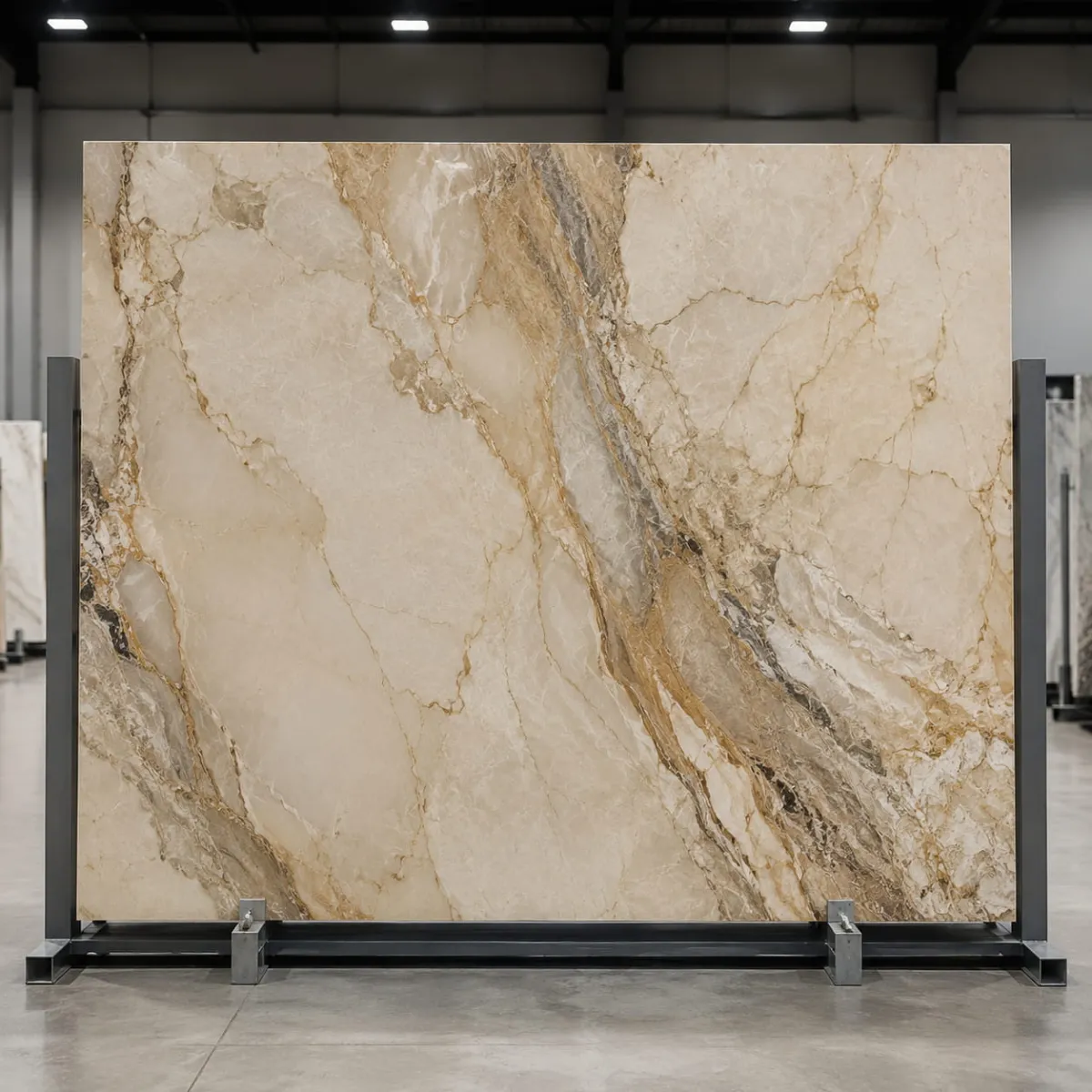
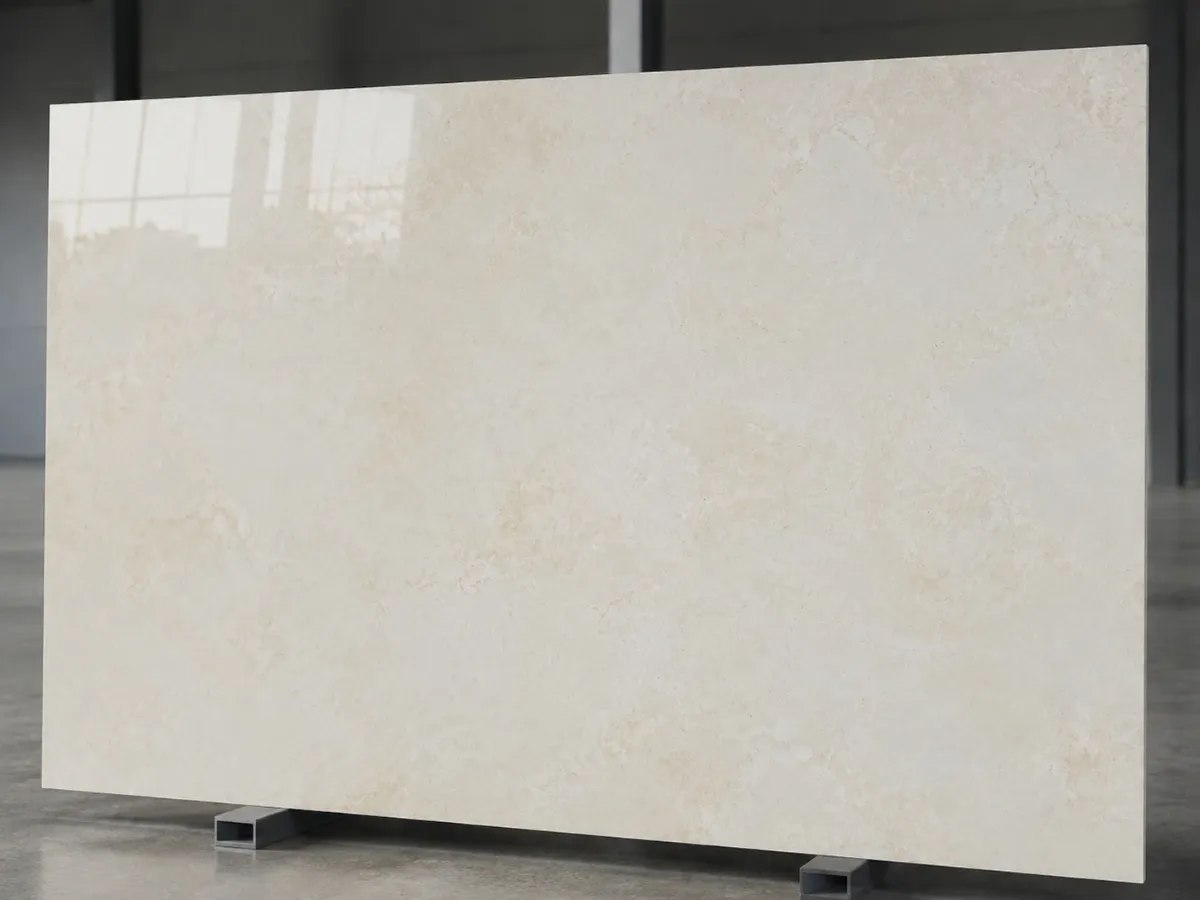
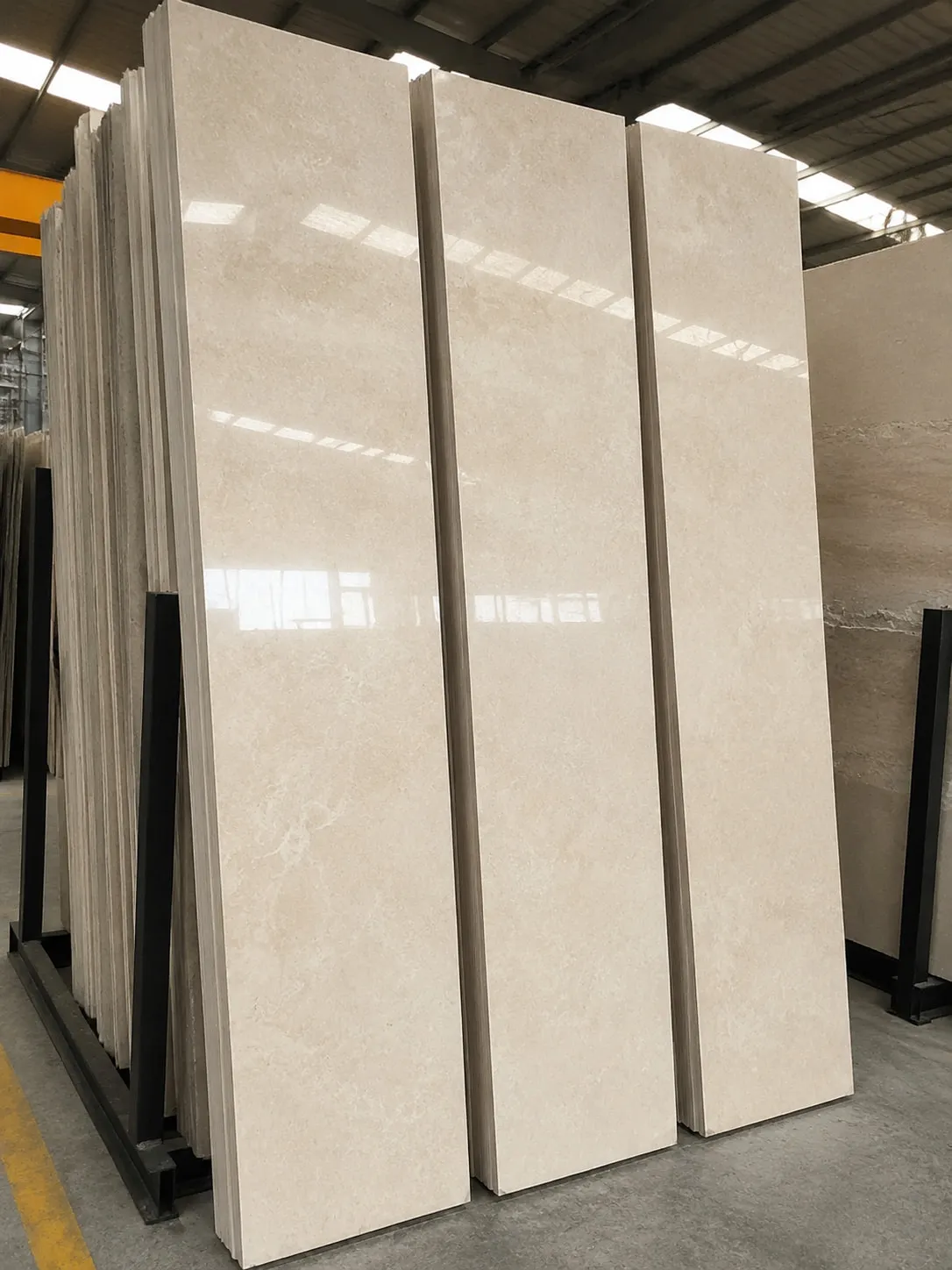
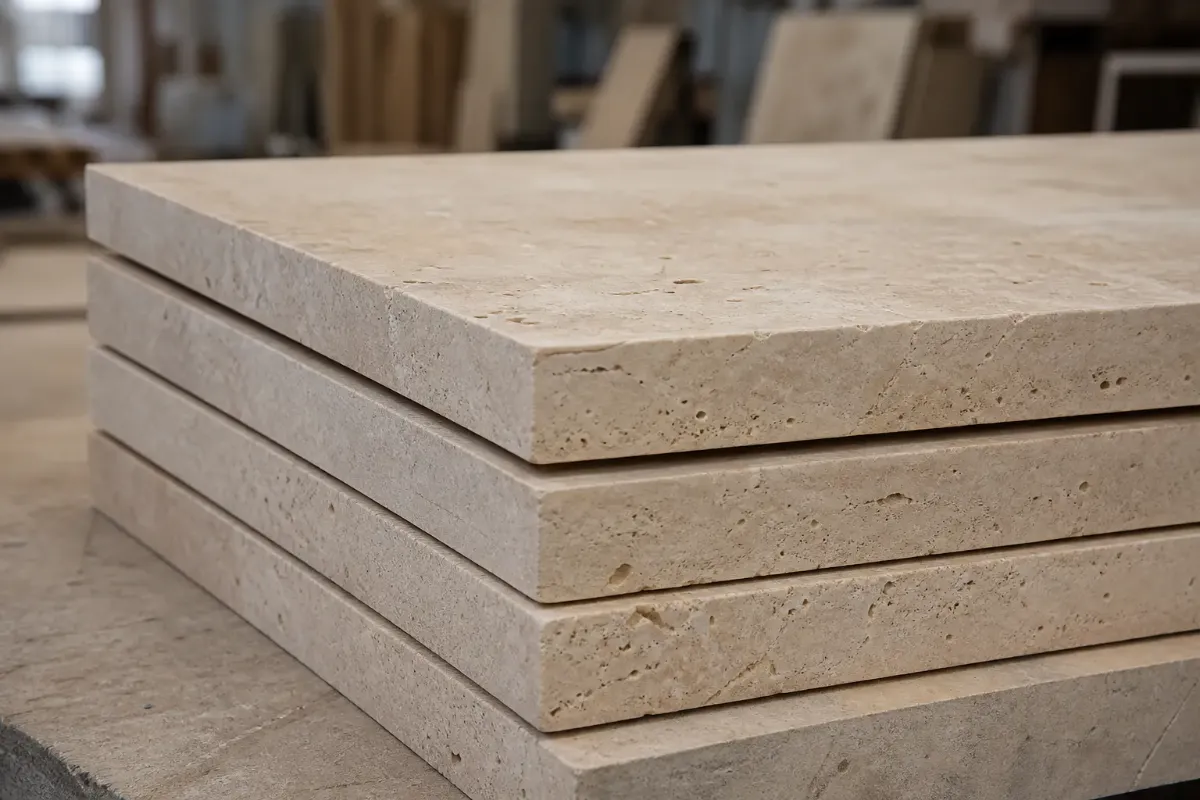
Abarkooh Travertine Stone, a natural travertine from the Abarkooh quarries in Yazd, features light cream to beige tones suited to a wide range of buil...
Where to use Abarkooh Travertine Stone
Abarkooh Travertine is a natural sedimentary stone quarried in the Abarkooh region of Yazd province, Iran. Valued for its diverse cream and beige spectrum, this stone serves as a versatile building material for architects and contractors who prioritize a balanced aesthetic alongside functional durability. With its consistent availability and ability to be processed into various finishes, it remains a preferred choice for large-scale architectural projects seeking a clean, natural stone appearance.
Key Technical Characteristics of Abarkooh Travertine
Abarkooh Travertine is composed primarily of calcium carbonate, exhibiting the characteristic porous structure common to high-quality travertines. Technically, it demonstrates a bulk density between 2500 and 2700 kg/m³ and a compressive strength ranging from approximately 83 to 123 MPa (850-1250 kg/cm²). The stone features a naturally porous structure with a porosity between 8% and 12%, which is commonly managed through professional epoxy or resin filling during the fabrication process to improve surface smoothness and structural integrity.
Architectural Applications
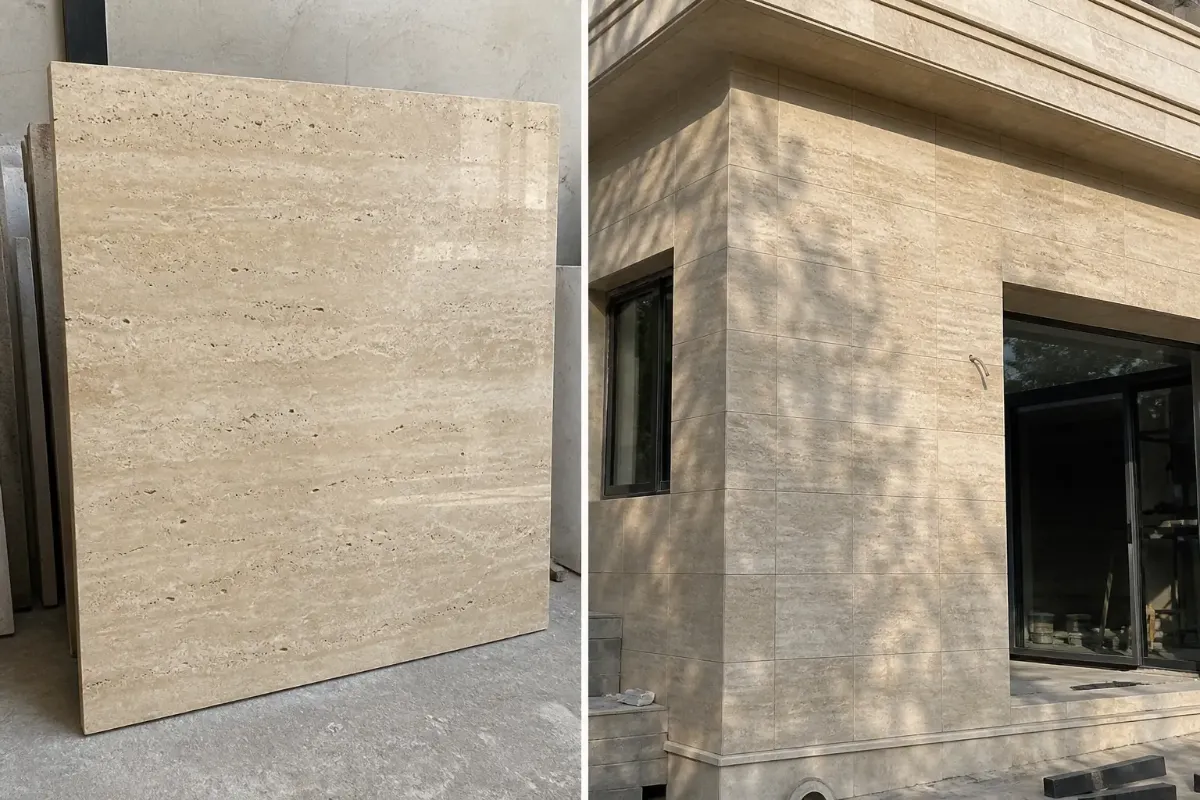
This stone is widely utilized in both modern and classical facade designs. Its aesthetic flexibility allows it to perform well in exterior cladding, interior wall paneling, lobbies, and staircases. Due to its moderate weight and good mortar adhesion, it is a practical candidate for building envelopes; however, designers should assess the specific batch’s density and finish for high-traffic floor areas or environments subject to severe weather conditions.
Technical Specifications of Abarkooh Travertine Stone
The specifications below are taken as-is from the data registered for this product on our site; for project-critical items, ask for supplementary details when requesting a quote.
| Property | Value |
|---|---|
| Stone type | Travertine |
| Quarry / origin | ابرکوه, استان یزد |
| Texture | Wavy |
| Suitable space | Indoor & Outdoor |
| Colors | Cream, Brown, Gold |
| Applications | Modern Facade Stone, Roman Facade Stone, Interior Facade Stone, Building Exterior Facade Stone, Wall Stone (Partition or Interior Facade), Yard Floor Stone, Stair Stone, Main Building Facade, Roman & Classic Facades, Modern Minimalist Facade with Light Stone, Window Frames, Columns & Capitals, Facade Stone Tools, Interior Lobby & Common Area Walls, Staircase Walls or Decorative Spaces |
| Finish type | Polished, Leathered, Honed |
| Processing type | Cut, Resin Treated, Epoxy Treated, Polished, Calibrated |
| Grades | Grade 1, Grade 2, Super, Commercial, Export Grade |
| Thicknesses | 2 cm, 3 cm |
| Dimensions | تایل: تایل, طولی: طولی, پله: پله, نما: نما, فرشی: فرشی |
| Water absorption | About 1 to 5 percent |
| Compressive strength | About 83 to 123 MPa |
| Abrasion resistance | متوسط - مناسب نما و دیوار, نیازمند بررسی برای کف پرترد |
| Porosity | About 8 to 12 percent |
Comparing Abarkooh Travertine with Similar Products
This comparative table helps contractors, architects, and property owners evaluate Abarkooh Travertine against alternative travertine options based on technical specifications, water absorption, and physical properties.
| Feature | Abarkooh Travertine Stone | Abbas Abad Travertine Stone | Atashkooh Travertine | Yazd Nabavi Travertine | Dehshir Travertine Stone |
|---|---|---|---|---|---|
| Stone Type | Travertine | Travertine | Travertine | Travertine | Travertine |
| Texture | Wavy | Wavy | Porous sedimentary with high density and excellent polishability | Wavy | Wavy |
| Colors | Cream, Brown, Gold | White, Light Cream, Cream | Pearlescent White, Light Cream, Bone | Cream, Gold, Brown | Cream, Beige Cream, Honey, Brown, Brown |
| Thicknesses | 2 cm, 3 cm | 2 cm, 3 cm | 1.6 cm, 2 cm, Custom for Export | 2 cm, 3 cm | 2 cm, 3 cm, 4 cm |
| Water Absorption | 1.5 to 3.0 % | Approx. 0.3 to 0.8% | Very low (less than 0.3%) | 1 to 3% | Up to 0.31 percent |
| Compressive Strength | 83 to 123 MPa | Approx. 100 to 150 MPa | 510 to 540 (kg/cm²) | 80 to 110 MPa | About 71 MPa |
| Porosity | 8 to 12 % | Approx. 1 to 3% | 5 to 9% | 5 to 15 percent | About 8 percent |
| Abrasion Resistance | Medium — suitable for facades and walls, requires evaluation for high-traffic flooring | High – suitable for building facades | 3.4 (MOHS) | Medium to High (suitable for flooring and facades) | Range 3 to 6 |
| Suitable Space | Indoor & Outdoor | Indoor & Outdoor | Outdoor | Indoor & Outdoor | Indoor & Outdoor |
Which one should you choose?
- If high compressive strength and very low water absorption are important for light-colored or white classic facades, Abbas Abad Travertine Stone is more suitable, though it features a lower porosity that may require careful consideration regarding mortar bonding compared to higher-porosity options.
- If a pearlescent white aesthetic with high density for high-rise structures is important, Atashkooh Travertine is more suitable, keeping in mind its restricted thickness options (1.6 cm and 2 cm).
- If a balance of cream, gold, and brown tones with wavy texture for general flooring and facades is important, Yazd Nabavi Travertine is more suitable, noting its broader porosity range (up to 15%).
- If diverse color options including honey and brown with a 4 cm thickness choice are important, Dehshir Travertine Stone is more suitable, though water absorption can vary across different color samples.
Selection and Installation Considerations
Success with Abarkooh Travertine relies on selecting the appropriate grade for the specific application. Since technical values like water absorption and porosity may vary between quarry batches, reviewing the specific laboratory analysis for the procured lot is essential. For exterior installations, particularly in regions with significant temperature fluctuations or humidity, proper sealing and moisture-management techniques during installation are recommended. Avoiding direct contact with harsh acidic substances is also advised to maintain the stone's polished, leathered, or honed finish over time.
Ultimately, Abarkooh Travertine offers an effective combination of visual appeal and structural performance for diverse building projects. By working with reliable fabricators and ensuring correct installation protocols, this stone can significantly enhance the visual and material quality of both contemporary and traditional architectural designs.
Pros & Cons of Abarkooh Travertine
Understanding the inherent characteristics of Abarkooh Travertine is essential for architects and contractors to ensure long-term performance. While it offers significant aesthetic advantages, its natural sedimentary nature requires specific technical solutions.
- Pros:
- Aesthetic Versatility: Available in a warm palette of cream, gold, and brown tones, making it suitable for both modern minimalist and classical Roman facades.
- Color Warmth: Provides a natural, inviting tone that enhances the visual depth of building envelopes.
- Good Adhesion: Its structural properties facilitate reliable mortar bonding for facade installations.
- Cons & Solutions:
- Natural Porosity: As a sedimentary stone, it may exhibit natural porosity. Solution: We recommend using professional-grade resin or epoxy filling during fabrication and applying high-quality, breathable sealants for exterior or humid environments.
- Batch Variation: Natural color and vein patterns can vary between different quarry lots. Solution: To mitigate color mismatch risks, we advise clients to verify the specific batch/sort and request samples before final loading and dispatch.
How to Order & Bulk Supply
For architects, contractors, and large-scale developers, sourcing Abarkooh Travertine requires precise technical coordination to ensure material consistency and logistical efficiency. We provide streamlined procurement processes tailored for professional B2B requirements, addressing both technical specifications and bulk delivery needs.
Inquiry & Procurement Steps
- Technical Specification Review: Submit your project requirements, including preferred finish (polished, honed, or leathered), thickness (2 cm or 3 cm), and specific application (e.g., facade, flooring, or stairs).
- Batch Selection & Verification: Due to natural variations in wavy textures and color tones (Cream, Gold, Brown), we recommend requesting batch-specific details to ensure uniformity across large surface areas. This helps mitigate risks associated with color variations between different quarry batches.
- Formal Quotation: Receive a detailed quote based on your requested grade (Grade 1, Super, or Export Grade) and total required square footage.
- Order Confirmation: Finalize dimensions and processing types (e.g., resin-treated or epoxy-treated) before production commences.
Bulk Supply & Logistics
We specialize in high-volume orders for major construction projects, ensuring that material throughput meets your site schedule. To maintain stone integrity during transit, we adhere to rigorous industrial packaging standards:
- Secure Palletizing: Stones are organized on heavy-duty, reinforced wooden pallets to prevent shifting or edge chipping during transit.
- Reinforced Strapping: Industrial-grade strapping is used to ensure maximum stability during heavy land freight or sea shipments.
- Export-Ready Handling: Specialized crating for international shipments to minimize mechanical breakage and moisture exposure during long-haul logistics.
Direct Contact for Professional Inquiries
For rapid pricing, technical data sheets, or bulk availability, please contact our sales department directly via our professional channels:
- WhatsApp: For real-time communication and quick photo/video inspections of current stock batches.
- Email: For formal RFQs (Request for Quotation), detailed technical inquiries, and long-term supply contract discussions.
| Stone Type | Travertine |
| Suitable for | Indoor & Outdoor |
| Texture | Wavy |
| Mine | Abarkuh, Yazd Province |
| Colors | Cream، Brown، Gold |
| Qualities | Grade 1، Grade 2، Super، Commercial، Export Grade |
| Thicknesses | 2 cm، 3 cm |
| Compressive | About 39 to 59 MPa |
| Abrasion | Medium - suitable for facades and walls, needs evaluation for high-traffic floors |
| Water Abs. | About 1 to 5 percent |
| Porosity | About 8 to 15 percent |
Where is Abarkooh Travertine quarried and what natural colors does it offer?
This natural sedimentary stone is quarried in the Abarkooh region located within Yazd province, Iran. Geologically formed mainly of calcium carbonate, it displays a distinct warm palette covering cream, beige, and occasionally golden or honey tones in an organic vein-cut texture.
How does Abarkooh Travertine compare to Hajiabad Travertine in architectural projects?
While Hajiabad Travertine offers higher structural density and a compact creamy-white veining favored in premium severe-weather builds, Abarkooh Travertine provides greater color variation and warmth across cream and beige tones. It serves as a versatile exterior cladding material offering reliable mortar adhesion without the premium density profile of Hajiabad.
Which exterior and interior architectural applications best fit Abarkooh Travertine?
The stone performs well in exterior facade designs, including classical, Roman, and modern minimalist cladding, as well as interior wall paneling, lobbies, and staircases. Thanks to its moderate weight and strong mortar adhesion, it installs reliably on vertical envelopes; however, floor installations in high-traffic commercial zones require careful batch evaluation.
What surface finishes and processing methods are available for this stone?
Abarkooh Travertine is processed with polished, honed, or leathered finishes depending on aesthetic goals. Standard fabrication includes precision cutting, calibration, and resin or epoxy pore filling to stabilize the porous matrix while highlighting the natural surface movement.
What maintenance and installation precautions should be followed for Abarkooh Travertine?
For exterior cladding, proper sealing and moisture-management protocols should be implemented, especially in areas with notable temperature swings or humidity. Routine care requires avoiding direct contact with harsh acidic cleaning agents to preserve the integrity of polished or honed surfaces over time.
No reviews yet.