Crystal Marble Stone
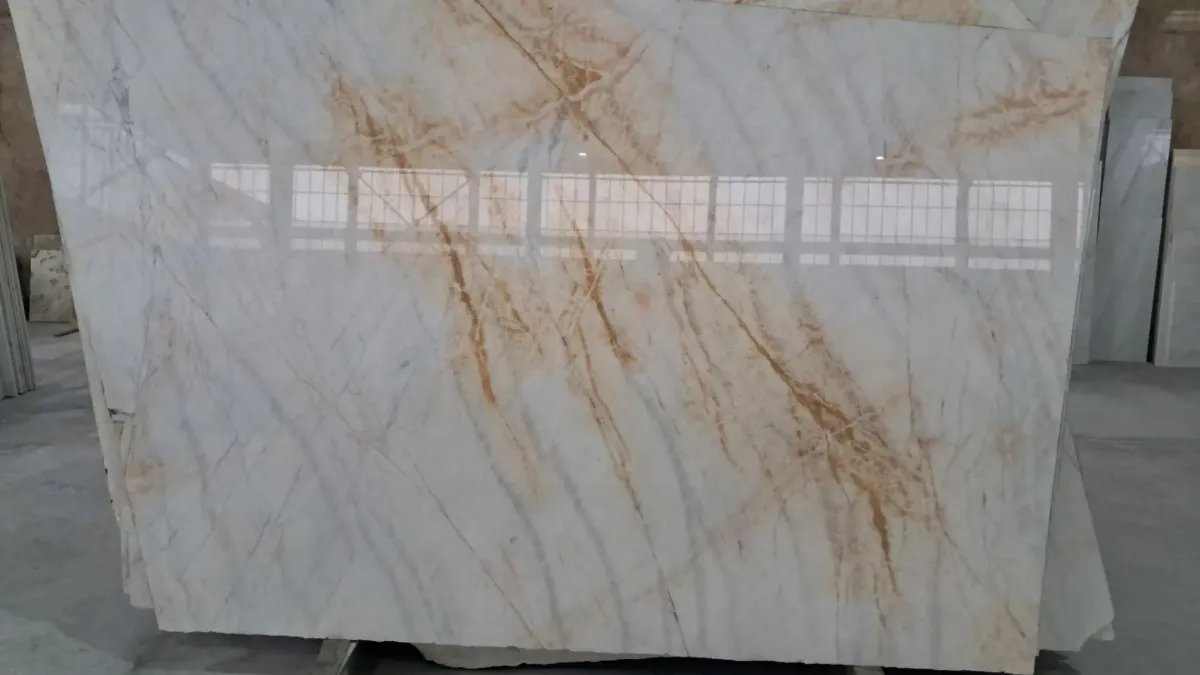
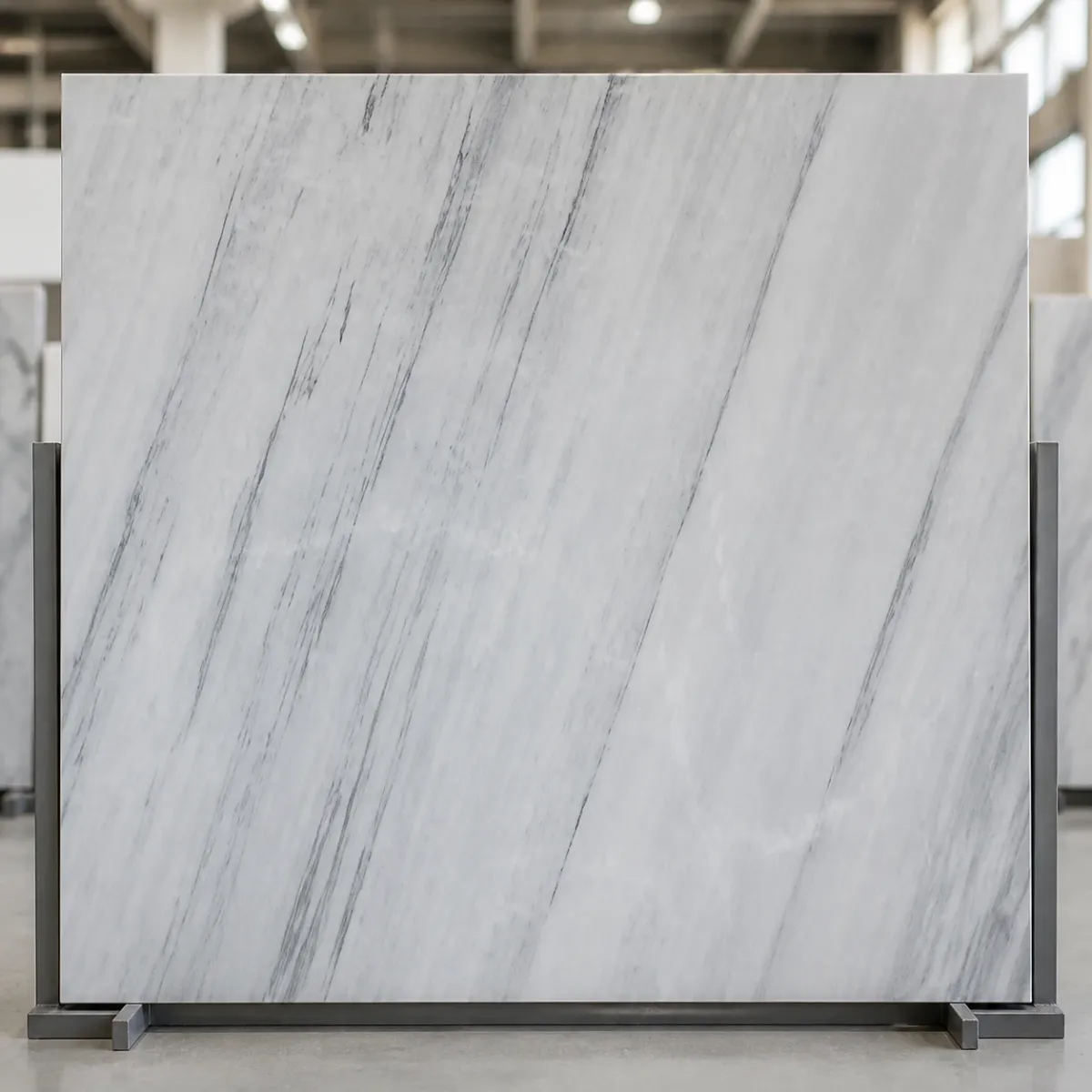
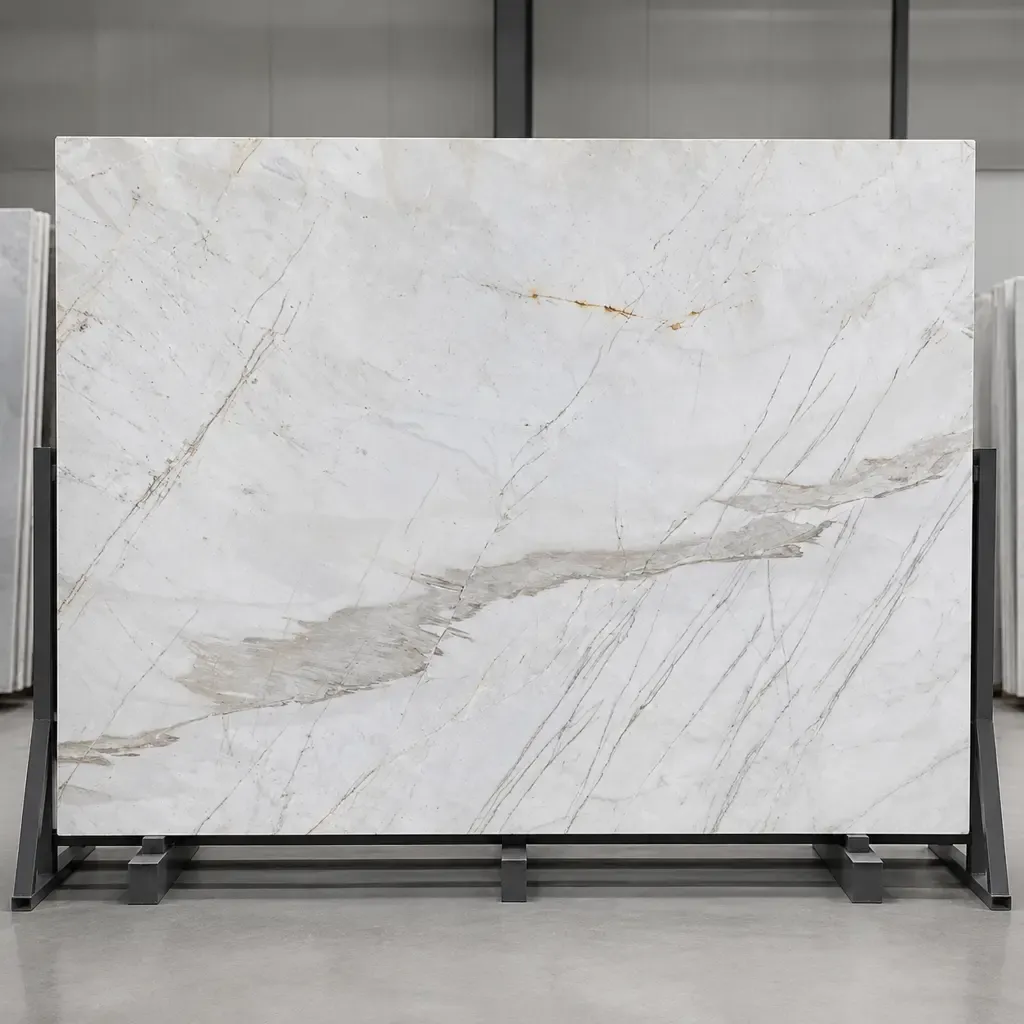
Crystal marble stone from the Lorestan province quarries in Iran is a high-grade recrystallized metamorphic marble composed of coarse calcite and woll...
Crystal Marble Stone: A Premium Natural Stone from Iran
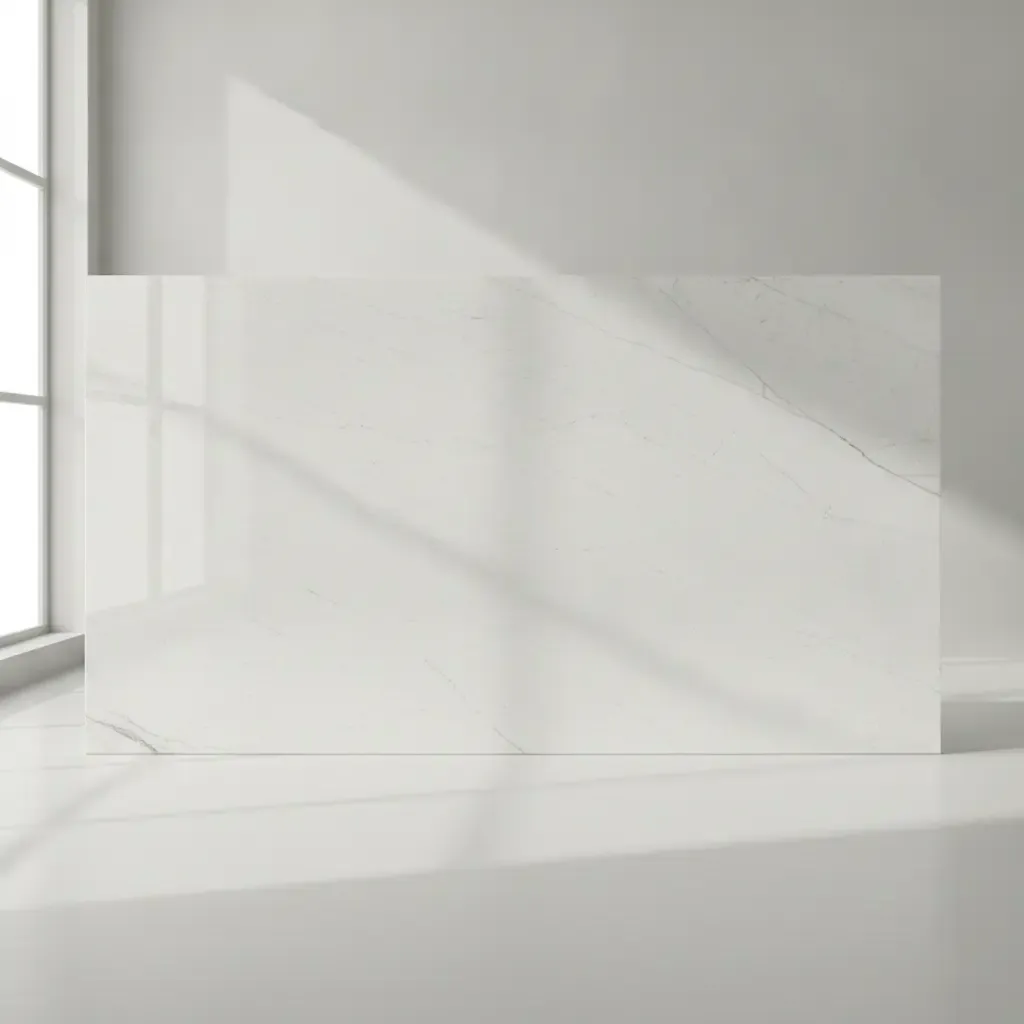
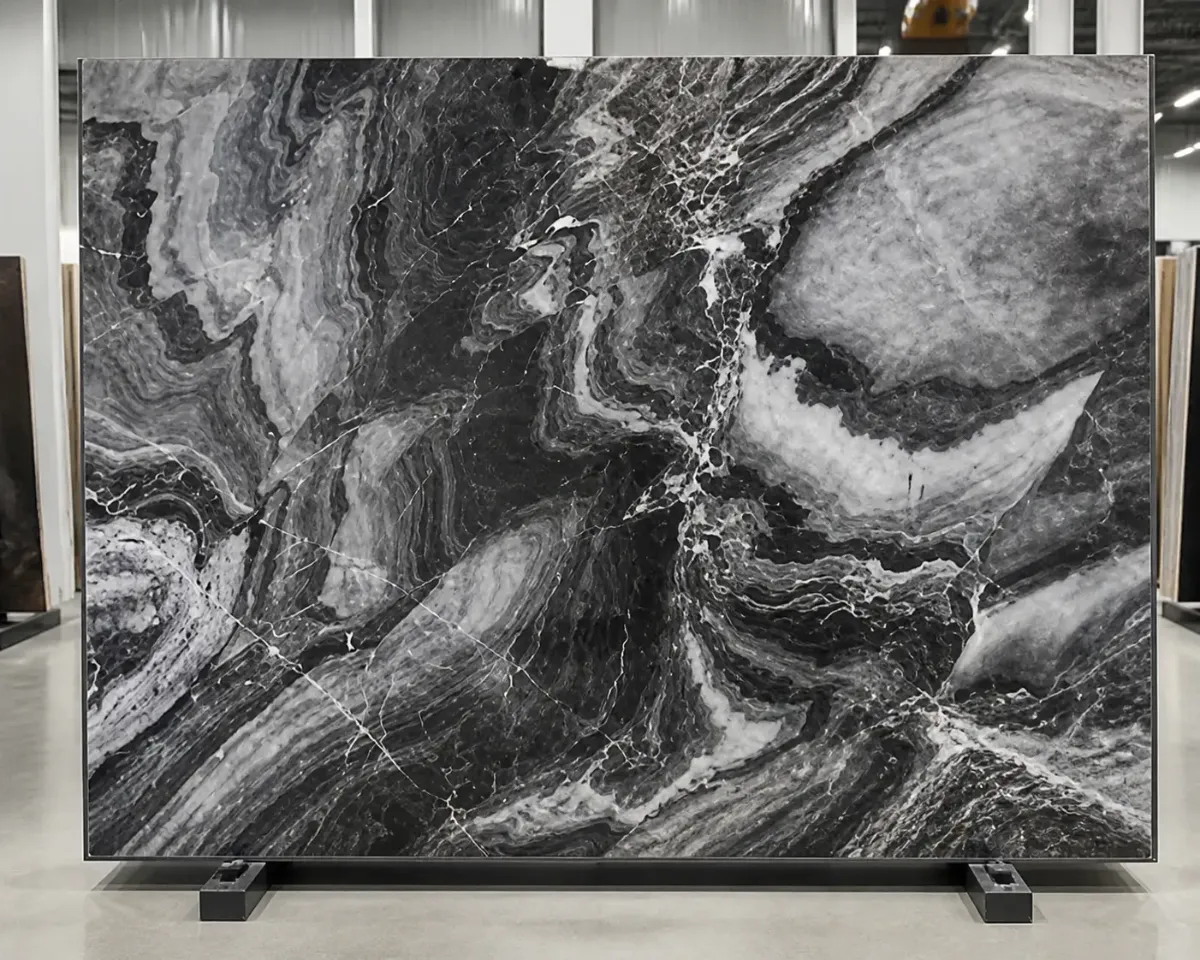
Crystal marble stone, particularly the high-grade varieties quarried in Iran's Lorestan province (Azna and Aligudarz regions), represents a distinguished category of metamorphic marble prized for its crystalline structure and aesthetic versatility. This natural stone features a predominantly white to light grey background with subtle, elegant veining patterns that create a sophisticated visual character. Its high polishability and excellent light reflection make it a preferred choice for luxury architectural applications, from hotel lobbies to high-end residential interiors.
Technical Properties and Material Characteristics
This crystalline marble exhibits exceptional technical properties that contribute to its performance in various applications. With water absorption below 0.2% and minimal porosity, it demonstrates superior moisture resistance compared to many natural stones. Compressive strength reaches approximately 1,200 kg/cm², while abrasion resistance is rated as high, making it suitable for moderate to high-traffic areas. The material's density ranges between 2.68-2.74 g/cm³, with a Mohs hardness of approximately 3-4, typical of marble family stones. These characteristics, combined with its uniform surface and naturally wavy texture, position crystal marble as one of the higher-quality options within its category.
Surface Finishes and Processing Options
Crystal marble stone is available with multiple surface finishes to accommodate different design requirements. The polished finish delivers a high-gloss, reflective surface that maximizes the stone's crystalline sparkle and light-enhancing properties, ideal for interior wall cladding and feature surfaces. The honed finish offers a smooth, matte appearance with softened color contrast, suitable for flooring applications where reduced slip risk is desired. For projects requiring texture, leathered and brushed finishes provide depth while maintaining the stone's natural character. The material is processed into various formats including slabs (typically 180×300 cm), tiles (30×60, 60×60, 60×120 cm), and longitudinal pieces, with standard thicknesses of 2cm and 3cm.
Architectural Applications
The application scope of crystal marble spans interior and exterior architectural contexts. In interior spaces, it serves as premium flooring in lobbies, corridors, and reception areas; as wall cladding for feature walls and bathroom environments; and as countertop material for kitchens and vanities. Its suitability for book-match and four-match slab configurations makes it particularly valuable for creating dramatic visual statements in commercial and hospitality projects. For exterior applications, crystal marble can be used on building facades and staircases, though careful consideration of climatic conditions and installation methods is essential. The stone's resistance to sunlight and standard weather conditions makes it viable for facade use, but it requires appropriate treatment and installation techniques to ensure long-term performance.
Comparative Analysis: Crystal Marble vs. Engineered Quartz Alternatives
When comparing crystal marble to engineered quartz products that replicate marble aesthetics, significant differences emerge in material composition, performance, and design philosophy. Crystal marble is a natural metamorphic stone with inherent variations in veining and color, while engineered quartz (such as Calacatta-style quartz) consists of approximately 85-95% crushed quartz bound with polymer resins and pigments to mimic marble patterns. The natural stone offers authentic crystalline depth and light transmission that quartz cannot fully replicate, along with the unique, non-repeating patterns valued in high-end design. However, quartz products provide superior stain resistance due to their non-porous nature and require no periodic sealing, whereas crystal marble benefits from regular sealing to maintain its pristine appearance. The choice depends on project priorities: crystal marble delivers authenticity, timeless elegance, and the organic beauty of natural stone, while engineered quartz offers consistent patterning and reduced maintenance demands. For exterior applications with extreme cold conditions, quartz may present advantages, though crystal marble performs excellently in moderate climates.
Installation Considerations and Maintenance
Professional installation of crystal marble requires attention to several technical factors. For facade applications, the "dry facade" method using mechanical anchors (scoop clips) is recommended, as mortar-based installation requires epoxy mesh reinforcement on the stone's back and specialized adhesives to ensure adequate bonding. The stone's smooth back surface means that traditional mortar methods without proper reinforcement may compromise adhesion over time. For interior floor applications, 2cm thickness is generally adequate for residential use, while 3cm thickness is standard for stairs and high-traffic commercial areas. Maintenance involves regular cleaning with pH-neutral stone cleaners and periodic sealing every 6-12 months for high-use areas. Quick spill cleanup is essential to prevent potential staining, particularly from acidic substances, as marble is more susceptible to etching than granite or quartz.
| Stone Type | Porcelain Stone |
| Suitable for | Indoor & Outdoor |
| Texture | Veined |
| Mine | Aligudarz & Azna, Lorestan Province |
| Colors | White، Gray، Cream |
| Qualities | Grade 1، Grade 2، Super، Commercial |
| Thicknesses | 2 cm، 3 cm |
| Compressive | About 1200 kg/cm² (~118 MPa) |
| Abrasion | High - Suitable for High Traffic Floors & Stairs |
| Water Abs. | Less than 0.2% (Emerald Sample: 0.18%) |
| Porosity | Very Low (Less than 1%) |