Damavand Cream Travertine
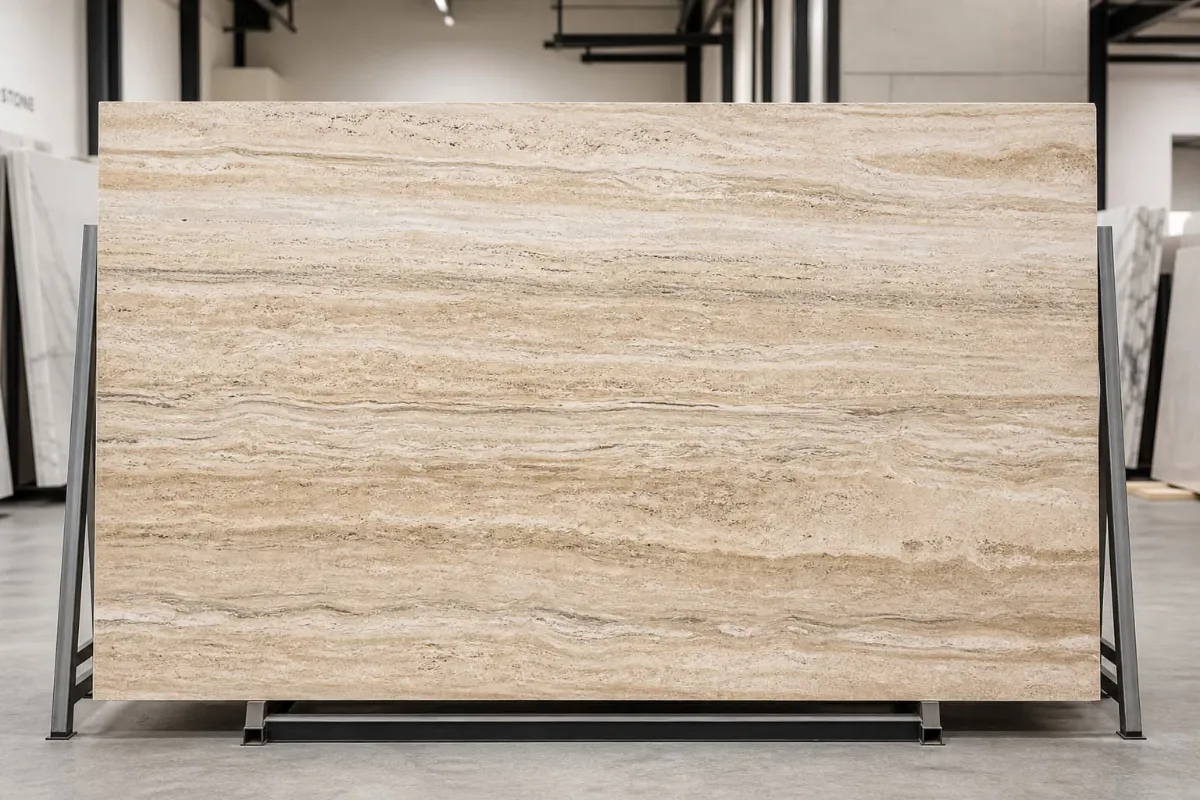
Damavand Cream Travertine is a travertine stone from the Damavand quarry in Tehran Province, known for its warm cream background and natural brown to ...
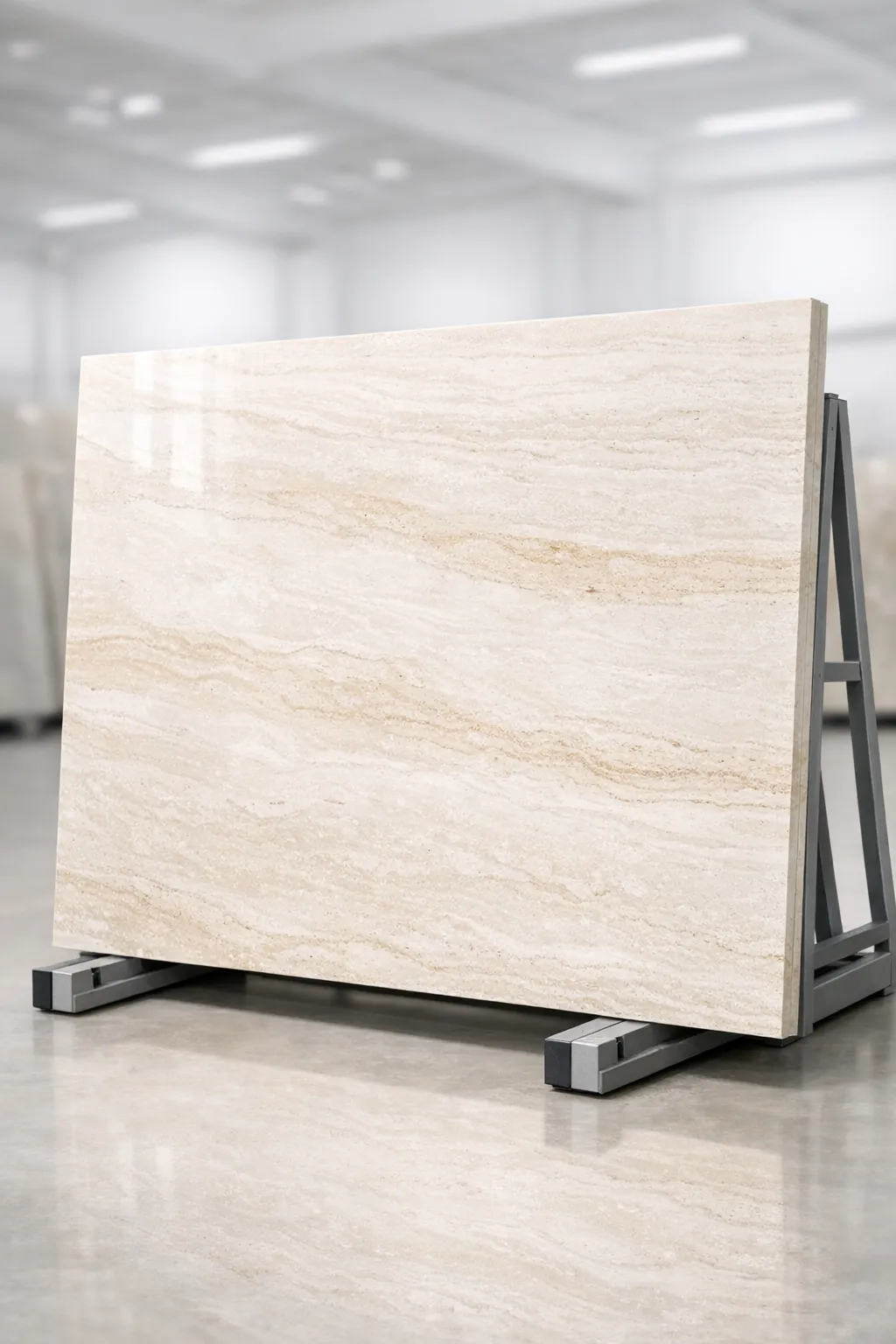
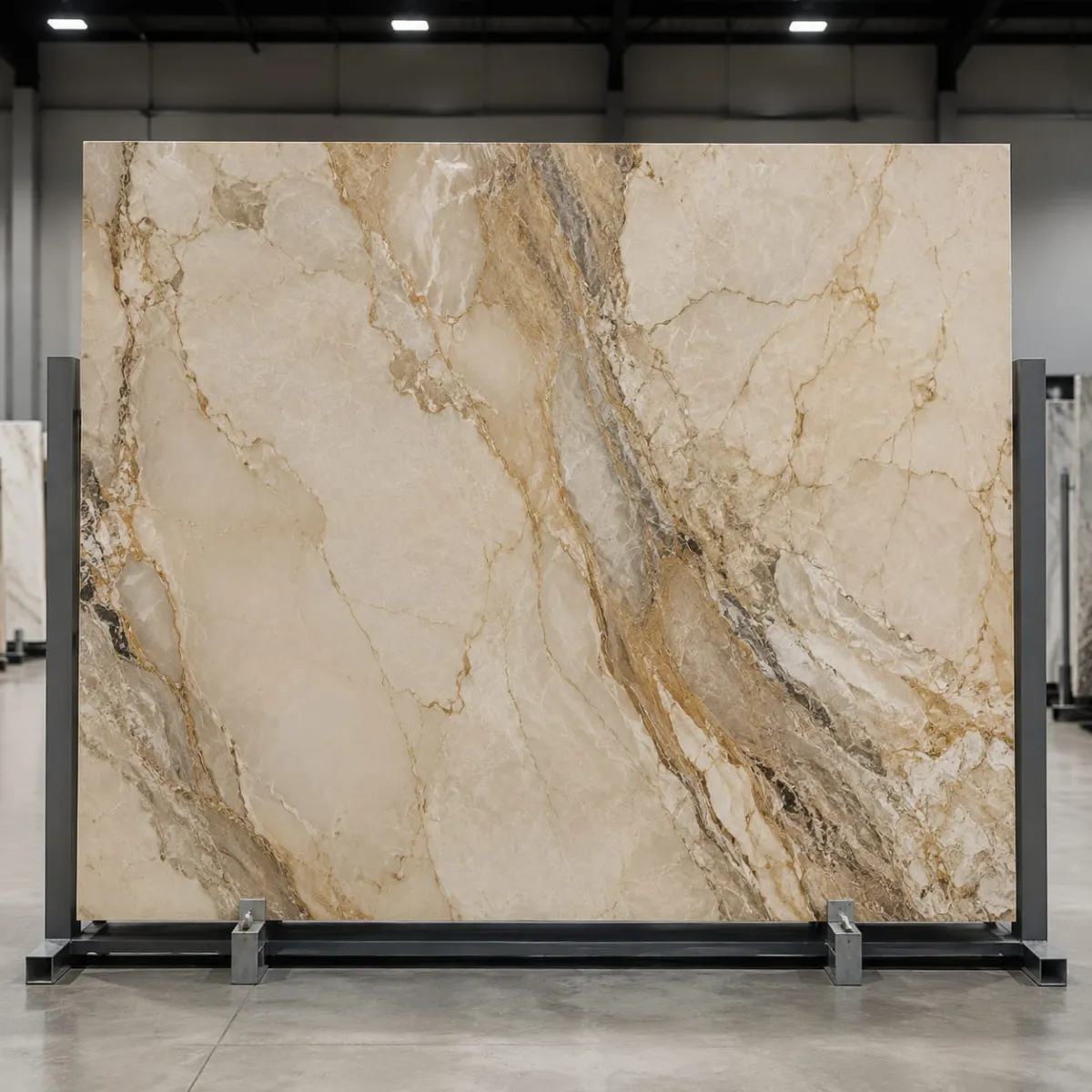
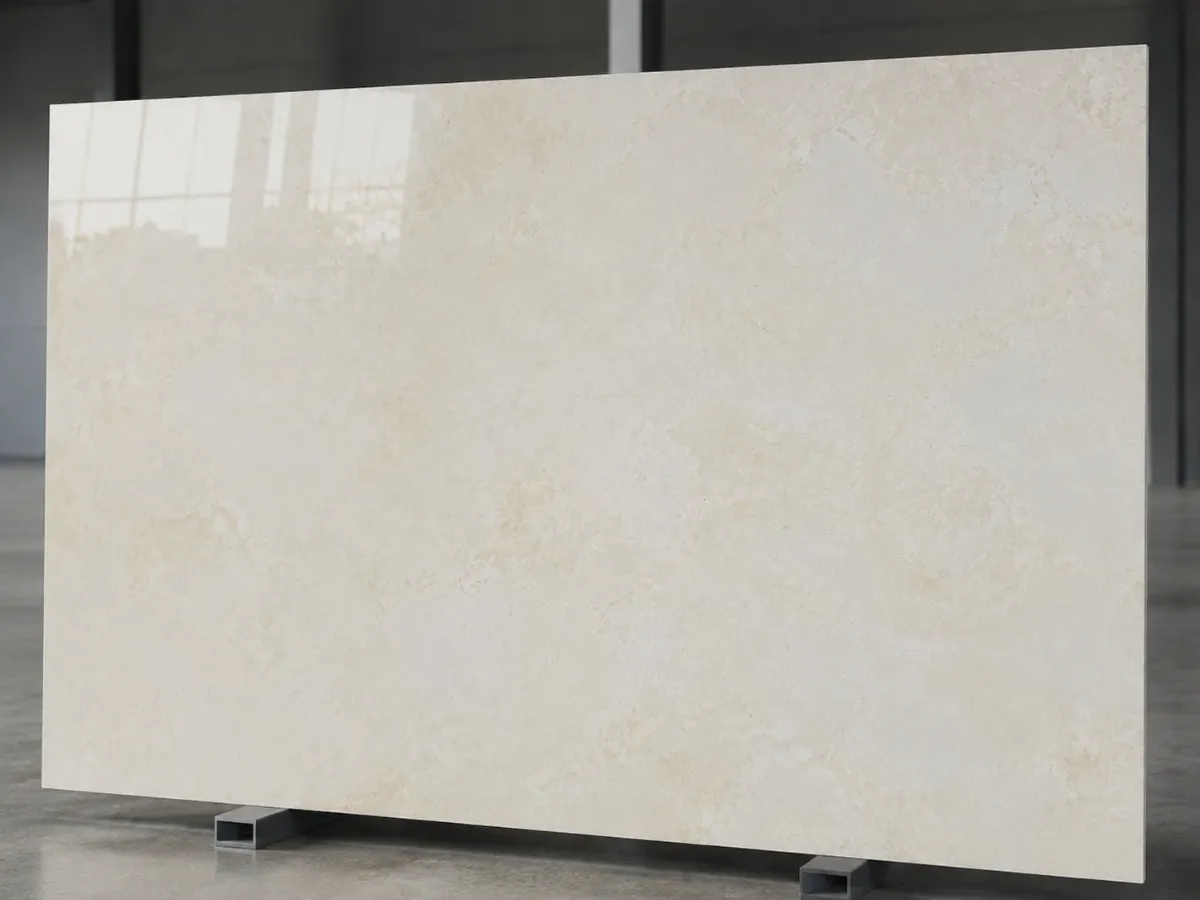
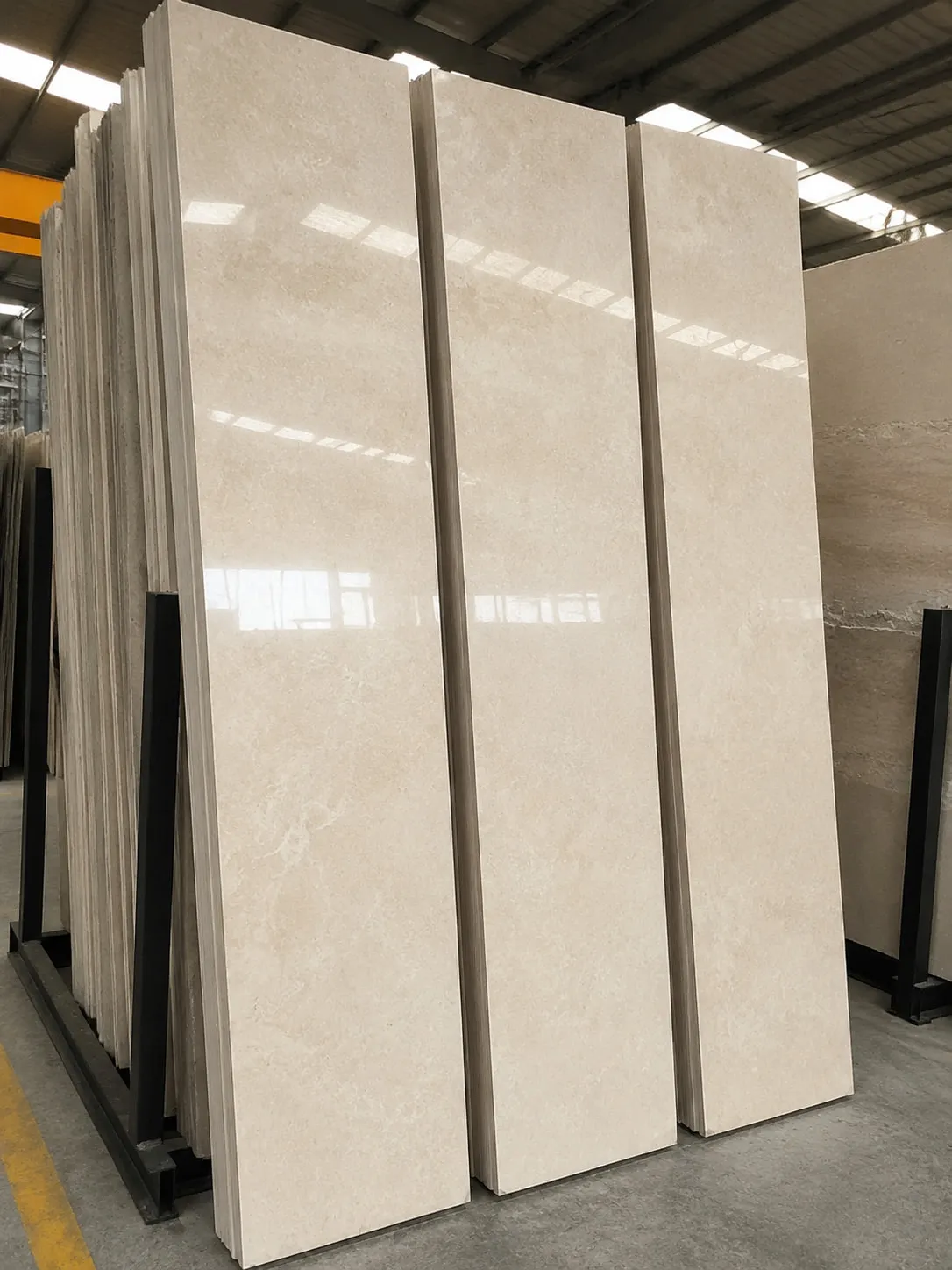
Damavand Cream Travertine is a sedimentary building stone sourced from the Damavand quarries in Tehran province. Known for its warm cream background accented by distinct brown and dark veins, this travertine offers a rustic yet sophisticated aesthetic. Its porous structure and natural textures make it a preferred choice for architects seeking a material that balances organic visual movement with the functional requirements of modern facade engineering.
Technical Features and Characteristics
The geological formation of Damavand Cream Travertine results in a material with moderate density and a characteristic porous matrix. Based on technical data for stones from this region, it typically exhibits a water absorption rate of approximately 1.70% and a density of 2.34 g/cm3. Its compressive strength, averaging around 50.7 MPa, makes it resilient for vertical cladding, though its performance is heavily reliant on professional processing and resin treatment.
- Primary Color: Warm cream with irregular brown and tan veining.
- Texture: Porous and veined; suitable for both cross-cut and vein-cut processing.
- Finishing: Most commonly processed with resin and high-gloss polish to enhance durability.
- Durability: Resistant to thermal expansion and contraction, making it suitable for varying climates.
Architectural Applications
This stone is primarily utilized as a facade stone for residential and commercial buildings. Its warm tones are particularly effective in classical and Roman-style facades. Beyond exterior cladding, Damavand Cream Travertine is an excellent choice for interior wall panels, decorative borders, and lobby walls where a natural, earthy atmosphere is desired. Its ability to bond well with mortar due to its porosity ensures a secure installation on high-rise structures.
Comparative Analysis: Damavand vs. Abbasabad Travertine
When comparing Damavand Cream Travertine to the widely known Abbasabad Travertine, the most notable difference lies in the color depth and vein intensity. Damavand tends to have a warmer, more saturated cream tone with more pronounced dark veins, whereas Abbasabad often leans towards a lighter, nearly white background with more subtle veining. While Abbasabad is frequently chosen for its high-contrast brightness, Damavand is often preferred for projects requiring a sense of warmth and natural variation. Technically, Damavand may require more meticulous resin filling due to its specific pore distribution, making the quality of factory processing a decisive factor in the final architectural finish.
Installation and Maintenance Considerations
Due to its natural porosity, Damavand Cream Travertine must be installed using high-quality mortars or mechanical fixing systems. It is essential to ensure that the resin used during processing is UV-resistant to prevent discoloration over time. Periodic sealing is recommended for interior applications in high-moisture areas to maintain the stone's integrity and aesthetic appeal. Architects should verify the specific sorting of each batch, as the concentration of veins can significantly alter the visual rhythm of a large-scale facade.
In summary, Damavand Cream Travertine represents a versatile and technically sound solution for architects and builders. Its unique combination of warm aesthetics and reliable physical properties makes it a professional choice for facades and interior designs that prioritize a natural, high-character stone finish.
| Stone Type | Travertine |
| Suitable for | Indoor & Outdoor |
| Texture | Veined |
| Mine | Damavand, Tehran Province |
| Colors | Cream |
| Qualities | Grade 1، Grade 2، Super، Commercial |
| Thicknesses | 2 cm |
| Compressive | 537 kg/cm² |
| Abrasion | Medium |
| Water Abs. | 2.81% |
| Porosity | 8.7 percent |