Khalkhal Travertine Stone
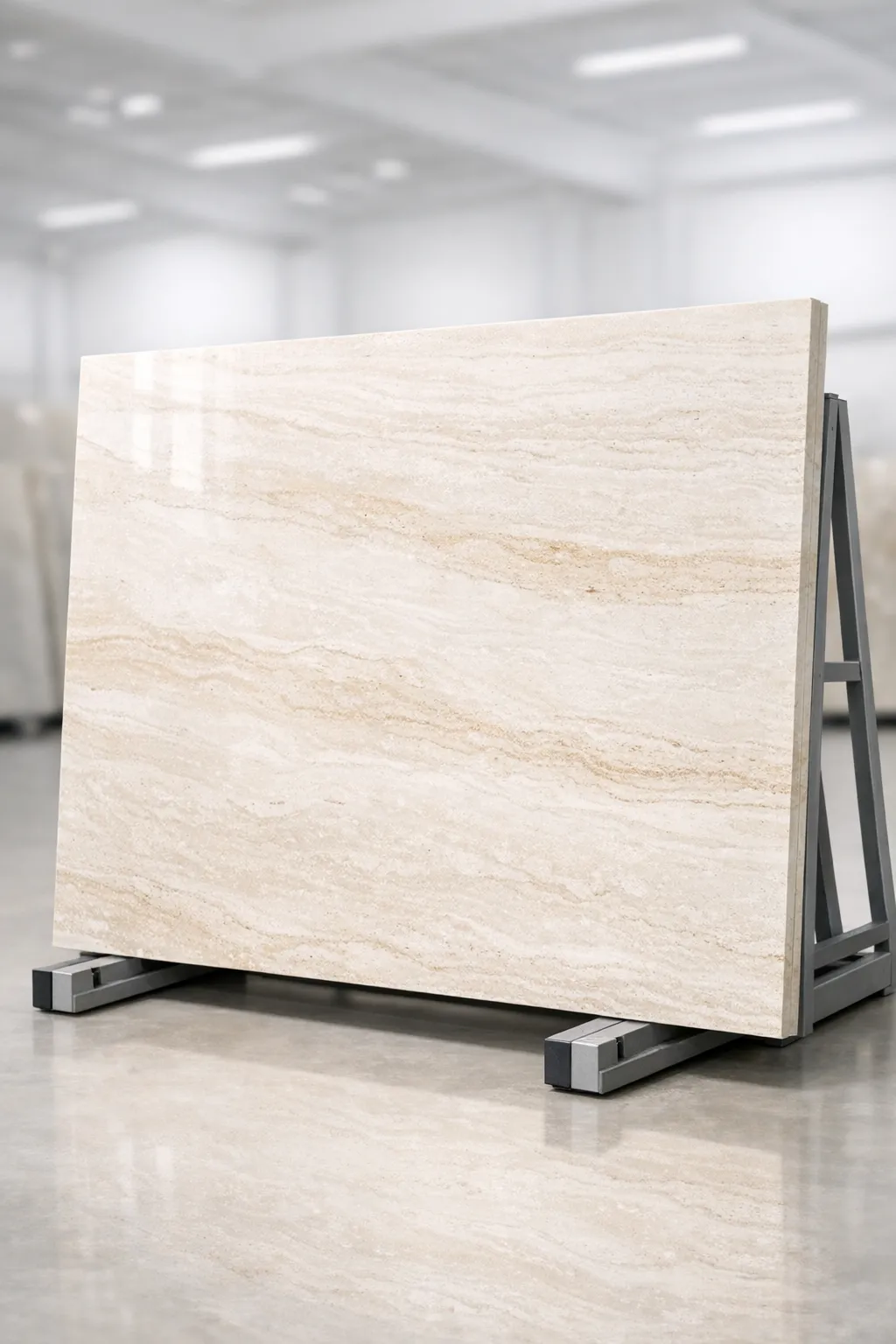
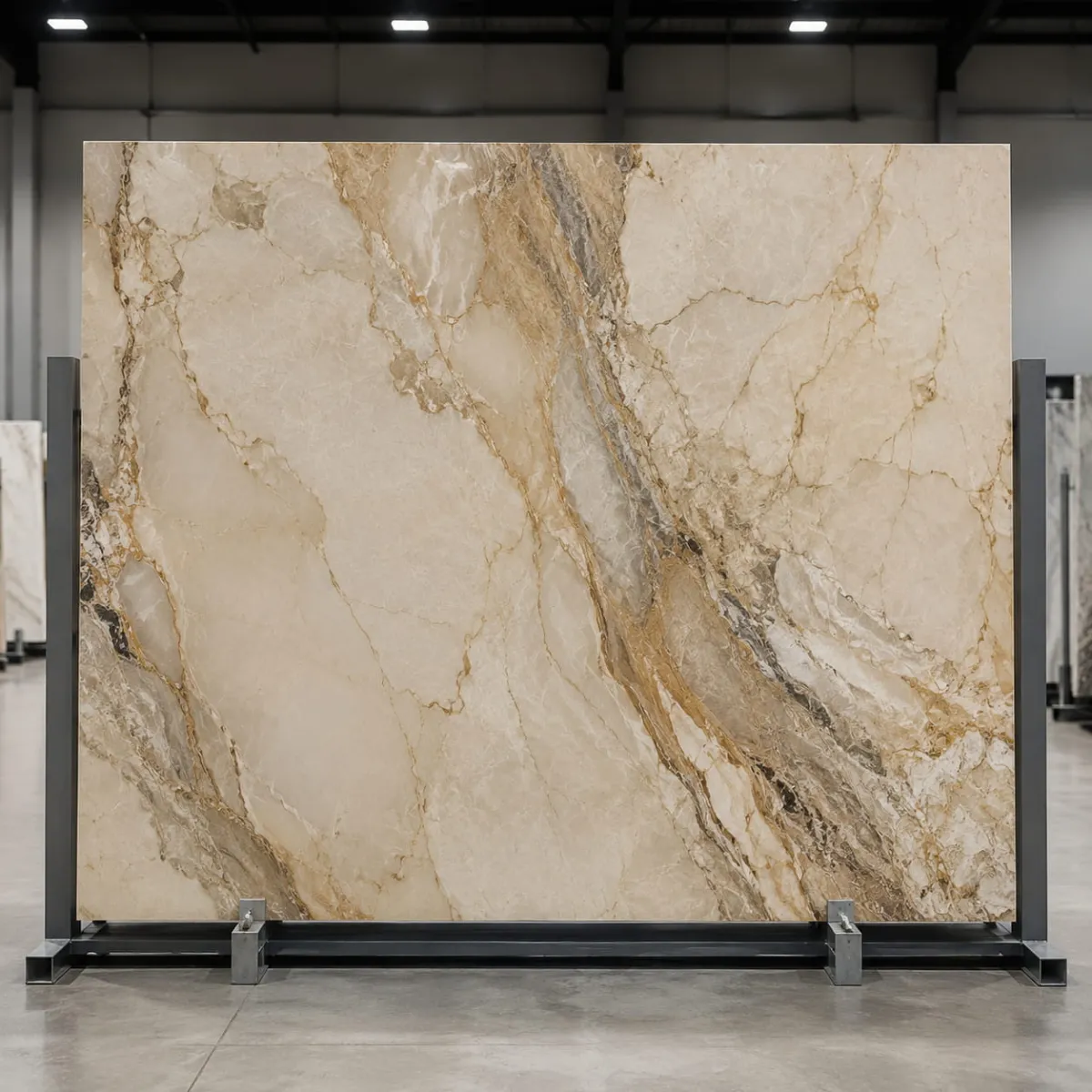
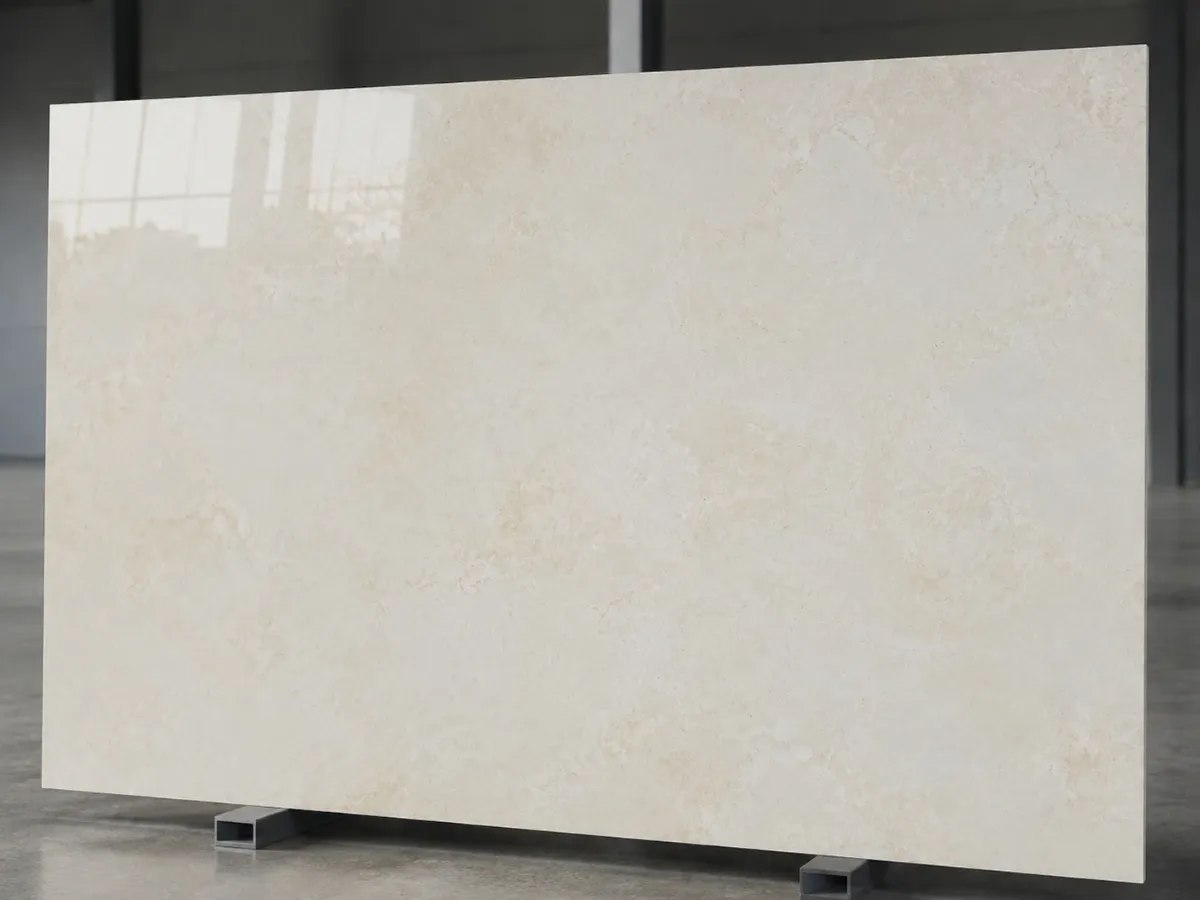
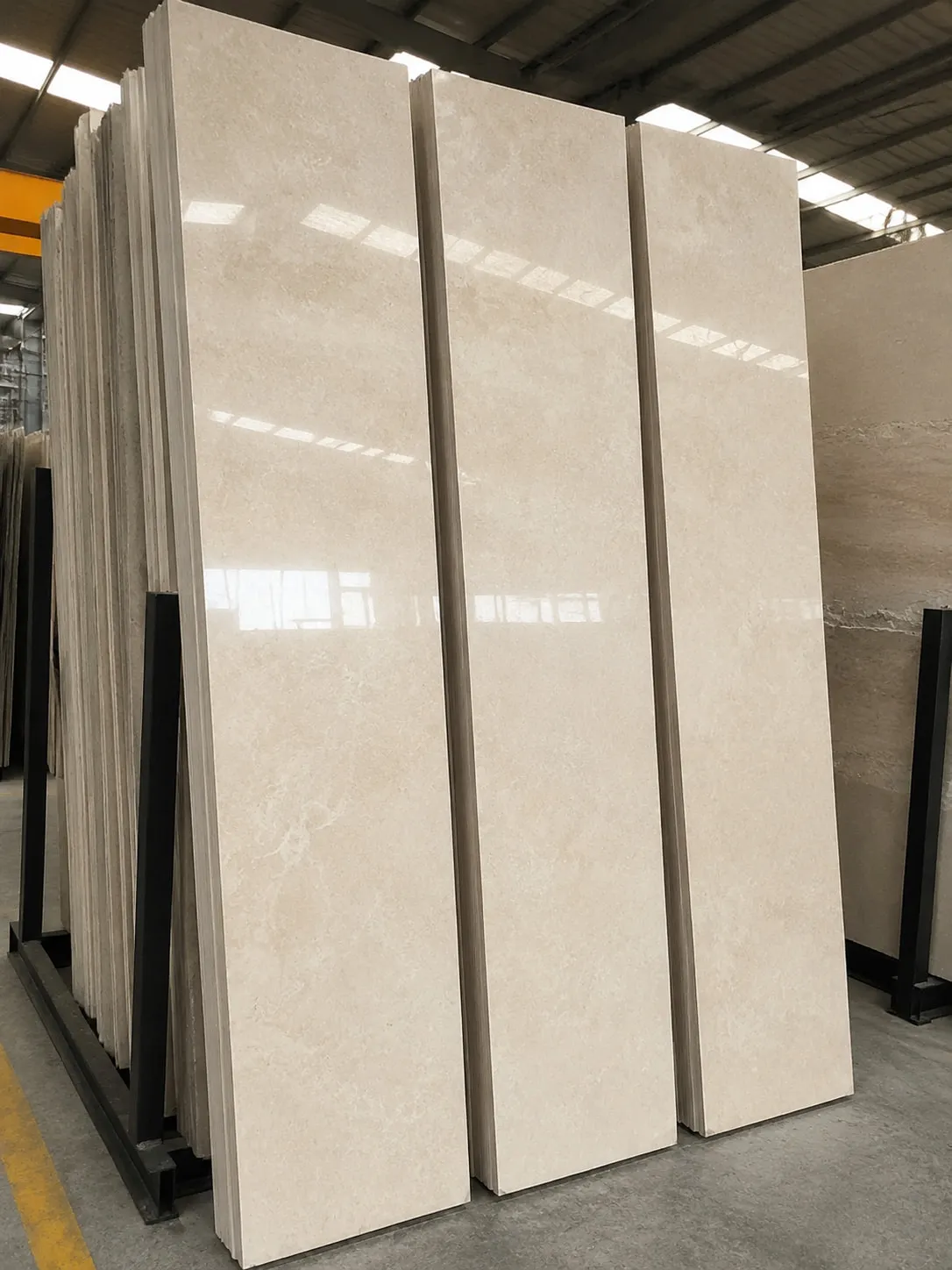
Khalkhal Travertine Stone is a natural travertine from Khalkhal in Ardabil Province, valued for its cream, beige, and light brown tones and versatile ...
Where to use Khalkhal Travertine Stone
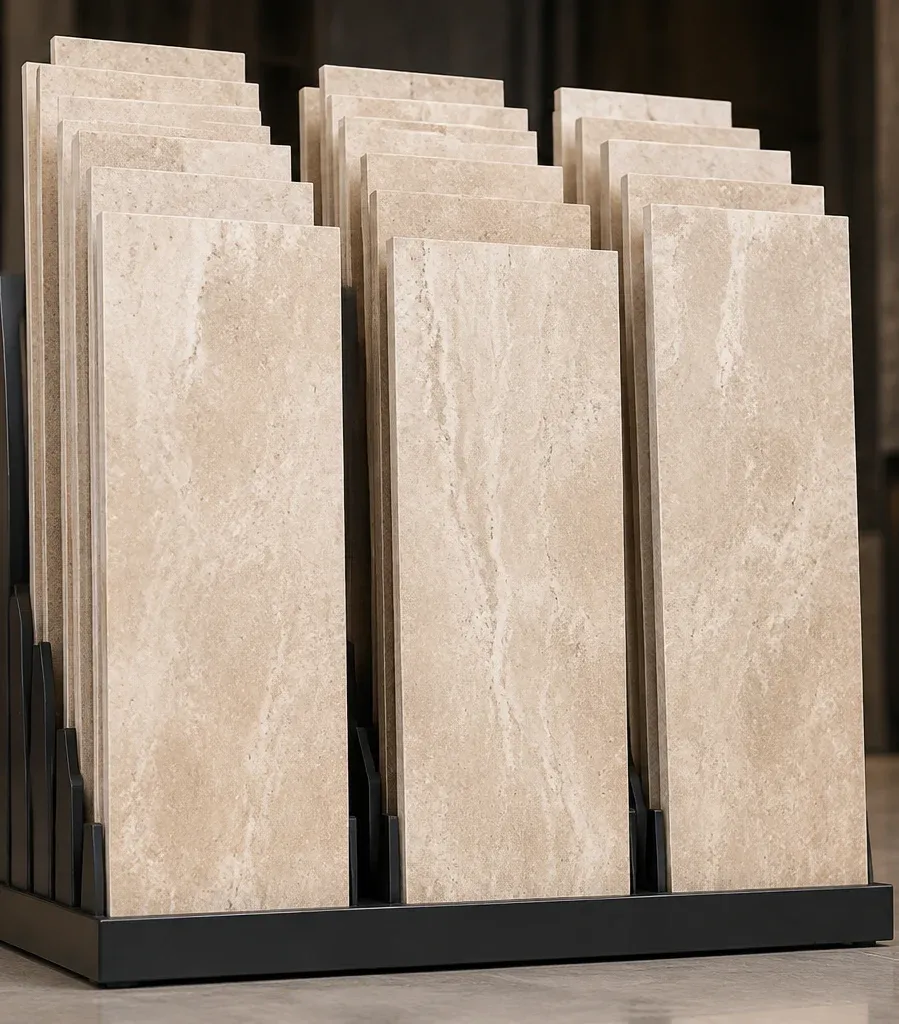
Khalkhal Travertine Stone is a natural travertine from Khalkhal in Ardabil Province, recognized for its cream, beige, and light brown background, porous texture, and flexible use in facade and interior architectural work. Available in vein cut and cross cut patterns, this stone suits projects that require a warm visual character, balanced movement, and compatibility with both classic and Roman elevations. Its surface can be processed in polished, honed, leathered, and resin filled finishes, allowing designers and contractors to match the final appearance to the scale and style of the project.
Key Features of Khalkhal Travertine Stone
Khalkhal Travertine is characterized by its natural sedimentary structure, providing a versatile aesthetic for high-end architectural projects. Its key attributes include:
- Natural Texture: A distinctively porous and wavy structure that offers organic depth to surfaces.
- Origin: Sourced from the Khalkhal region in Ardabil Province, including the Parooj and Agh Bolagh quarry areas.
- Color Palette: A warm range of cream, beige-cream, and light brown, often featuring natural vein-cut patterns.
- Versatile Finishing: Available in polished, honed, leathered, and resin-filled varieties to suit different lighting and functional requirements.
- Technical Profile (Sample Data): Based on documented testing, typical performance indicators for a representative sample include:
- Water Absorption: ~2.15%
- Porosity: ~8%
- Density: ~2.38 g/cm³
- Compressive Strength: ~466 kg/cm² (approx. 45.7 MPa)
Professional Note: While the reported compressive strength of 45.7 MPa is suitable for many standard facade applications, please note that it falls below the 52 MPa threshold required by certain international standards (such as ASTM C1527) for high-load indoor classifications. Furthermore, with a sample water absorption of approximately 2.15%, professional sealing is strongly recommended for exterior applications to mitigate moisture ingress and prevent staining.
In practical specification work, Khalkhal Travertine is mainly selected as a facade stone rather than a heavy-duty flooring material. Its good polishability and workable structure support clean edge detailing, framed openings, decorative profiles, stair walls, and coordinated wall cladding. The porous character that defines this travertine also means that final appearance and surface behavior depend strongly on sorting, resin quality, and finishing consistency.
Recommended Architectural Applications
This travertine stone is well suited to exterior facades, interior wall cladding, Roman facade compositions, classic elevations, lobby walls, staircase surrounds, window frames, columns, pilasters, and decorative stonework. In projects where architects want a lighter natural stone with warmer tones than very white travertines, Khalkhal Travertine can deliver a grounded and natural architectural presence without looking visually flat. It is also appropriate for combined facade schemes where texture and shade variation are part of the design language.
Technical Specifications of Khalkhal Travertine Stone
The specifications below are taken as-is from the data registered for this product on our site; for project-critical items, ask for supplementary details when requesting a quote.
| Property | Value |
|---|---|
| Stone type | Travertine |
| Quarry / origin | Ardabil Province, Khalkhal County, near Poruj and Agh Bolagh villages |
| Texture | Wavy, Cross-cut, porous and veined |
| Suitable space | Indoor & Outdoor |
| Colors | Cream, Beige Cream, Light Brown |
| Applications | Modern Facade Stone, Roman Facade Stone, Interior Facade Stone, Building Exterior Facade Stone, Wall Stone (Partition or Interior Facade), Slab Stone, Main Building Facade, Roman & Classic Facades, Modern Minimalist Facade with Light Stone, Window Frames, Columns & Capitals, Facade Stone Tools, Interior Lobby & Common Area Walls, Staircase Walls or Decorative Spaces |
| Finish type | Polished, Leathered, Honed |
| Processing type | Cut, Polished, Resin Treated, Cross-cut, Wavy |
| Grades | Grade 1, Grade 2, Super, Commercial, Export Grade |
| Thicknesses | 2 cm, 3 cm |
| Dimensions | Tile, Slab, Strip (Tooli), Facade |
| Water absorption | About 2.15% reported for sample; depends on sort and processing |
| Compressive strength | About 466 kg/cm², approximately equivalent to 45.7 MPa |
| Abrasion resistance | Medium; reported value of 3, more suitable for facades and walls rather than high-traffic flooring. |
| Porosity | About 8% reported for sample; travertine porous texture |
Cleaning, Maintenance, and Sealing Guidelines
Due to the porous nature of Khalkhal Travertine Stone—with a porosity of approximately 8% and water absorption of about 2.15%—proper maintenance and preventive care are essential to preserve its structural integrity and aesthetic appeal over time.
- Cleaning: Regular routine cleaning should be performed using dry dusting or a soft, damp cloth. For routine washing, always use pH-neutral stone cleaners. Avoid acidic, harsh chemical, or abrasive detergents, as they can damage the surface finish and react with the natural mineral composition.
- Sealing: Applying a high-quality impregnating sealer is strongly recommended, especially for exterior installations or environments exposed to moisture. Sealing helps minimize moisture penetration, protects against staining, and mitigates potential weathering effects associated with porous travertine structures.
- Periodic Inspection: Regularly inspect grouted joints and surface conditions, reapplying sealers periodically according to environmental exposure and manufacturer guidelines. Note: Maintenance requirements can vary depending on local environmental factors and specific finishing methods (e.g., resin treatment vs. natural).
Comparison of Khalkhal Travertine Stone with Similar Products
This comparison table helps contractors, architects, and property owners evaluate key technical specifications, colors, and applications of Khalkhal Travertine alongside popular alternatives to select the most suitable stone for their project.
| Feature | Khalkhal Travertine Stone | Abbas Abad Travertine Stone | Hajiabad Travertine Stone | Atashkooh Travertine | Dareh Bokhari Travertine Stone |
|---|---|---|---|---|---|
| Stone Type | Travertine | Travertine | Travertine | Travertine | Travertine |
| Quarry / Origin | Ardabil Province, Khalkhal County, around Paruj and Agh Bolagh villages | Markazi Province, Mahallat, Nimvar, Abbas Abad Quarry | Iran, Markazi Province, Mahallat, Hajiabad Quarry | — | Markazi Province, Mahallat County, near Dareh Bokhari village |
| Texture | Wavy, Cross-cut, Porous and Veined | Wavy | Wavy | Porous sedimentary with high density and excellent polishability | — |
| Suitable Space | Indoor & Outdoor | Indoor & Outdoor | Indoor & Outdoor | Outdoor | Indoor & Outdoor |
| Colors | Cream, Beige Cream, Light Brown | White, Light Cream, Cream | Light Cream, Bone Cream, Wavy Cream, Beige Cream | Pearlescent White, Light Cream, Bone | Whitish Cream, Light Cream, Beige |
| Finish Type | Polished, Leathered, Honed | Polished, Leathered, Honed, Natural | Polished, Leathered, Honed | Polished, Leathered, Honed | Polished, Honed, Leathered |
| Thicknesses | 2 cm, 3 cm | 2 cm, 3 cm | — | 1.6 cm, 2 cm, Custom for Export | — |
| Water Absorption | About 2.15% reported for sample; depends on sort and processing | Approx. 0.3 to 0.8% | 1.5% to 3% | Very low (less than 0.3%) - Resistant to acid rain and moisture | 0.22% |
| Compressive Strength | About 466 kg/cm², approx. equivalent to 45.7 MPa | Approx. 100 to 150 MPa | 70 to 120 MPa | 510 to 540 (kg/cm²) - Suitable for high-rise structures | 1200 kg/cm² |
| Porosity | About 8% reported for sample; travertine porous texture | Approx. 1 to 3% | Medium – approx. 8% to 12% | 5 to 9% - Excellent mechanical bond with mortar (high safety at height) | 1.05% |
Which one to choose?
- If cream, beige cream, and light brown tones with a veined and porous texture are desired for building facades, Khalkhal Travertine Stone is a suitable option; however, it should be noted that its reported sample water absorption is approximately 2.15%.
- If very high compressive strength and lower water absorption are preferred, Abbas Abad Travertine Stone is more suitable with a water absorption of about 0.3 to 0.8%; however, it does not fully cover the distinct veined textures of Khalkhal.
- If flexibility in choosing various cream and beige spectrums with medium porosity is desired, Hajiabad Travertine Stone is a good choice, while its compressive strength ranges from 70 to 120 MPa.
- If the lowest water absorption and resistance against acid rain are required, Atashkooh Travertine is more suitable with water absorption of less than 0.3%, although its thicknesses are more limited, including 1.6 and 2 cm.
- If maximum compressive strength and very high structural density are desired, Dareh Bokhari Travertine Stone performs well with a compressive strength of 1200 kg/cm² and porosity of about 1.05%, though price differences and availability must be checked in final inquiry.
Selection and Installation Considerations
To ensure project-specific performance, the selected lot must be inspected for color consistency, pore structure, resin treatment quality, and dimensional accuracy. Due to the natural characteristics of Khalkhal Travertine Stone, the following technical considerations are essential:
- Grade and Load Application: While Khalkhal Travertine is highly effective for facades and wall cladding, it should be noted that its reported compressive strength (approximately 45.7 MPa) falls below the 52 MPa requirement specified by ASTM C1527 for certain high-load indoor classifications. For high-traffic flooring or load-bearing structural use, verify the specific grade's test data to ensure compatibility.
- Moisture Management: With a reported sample water absorption of approximately 2.15%, this stone is naturally porous. For exterior facade applications or moisture-prone environments, professional sealing with a breathable sealer is strongly advised to mitigate moisture ingress, dirt accumulation, and environmental staining.
- Installation Precision: Coordination between the stone's finish (polished, honed, or leathered) and the mechanical anchoring method is critical. Given the stone's tendency for natural color and texture variation between batches, visual inspection of the lot against the project's color palette is recommended before final installation.
- Maintenance Protocol: To preserve the surface integrity and resin-filled pores, always use neutral cleaning agents. Avoid acidic or highly alkaline chemicals, which can degrade the stone's surface and its natural mineral composition.
Khalkhal Travertine Stone remains a practical choice for modern and Roman-style facades where warmth, natural texture, and architectural versatility are prioritized. Technical reliability is best achieved through appropriate grade selection, professional sealing, and strict adherence to neutral maintenance protocols.
| Stone Type | Travertine |
| Suitable for | Indoor & Outdoor |
| Texture | Wavy, Non-Wavy, Porous & Veined |
| Mine | Ardabil Province, Khalkhal, Near Prouj & Agh Bolagh Villages |
| Colors | Cream، Beige Cream، Light Brown |
| Qualities | Grade 1، Grade 2، Super، Commercial، Export Grade |
| Thicknesses | 2 cm، 3 cm |
| Compressive | About 466 kg/cm², approximately equivalent to 45.7 MPa |
| Abrasion | Medium; reported value 3, more suitable for facades and walls than high-traffic floors |
| Water Abs. | About 2.15% reported for sample; depends on sort and processing |
| Porosity | About 8% reported for sample; travertine porous texture |
Where is Khalkhal Travertine Stone quarried from in Iran?
It is sourced from the Khalkhal area in Ardabil Province, with quarry references linked to the Parooj and Agh Bolagh zone. This origin is useful for documentation and matching future batches on export projects.
What color range should I expect in Khalkhal Travertine lots?
Expect a warm range from cream and cream beige to light brown, and in some grades you may see darker veins or cloud-like patterning. This helps architects plan for natural variation rather than a flat, uniform look.
Which finishes can Khalkhal Travertine be processed in?
It can be processed in polished, honed, leathered, and resin filled finishes, so you can tune the surface from cleaner and reflective to more tactile. Finish choice also helps align the look with the project scale and style.
Is Khalkhal Travertine available in vein cut and cross cut patterns?
Yes—this stone is available in both vein cut and cross cut patterns, which gives you flexibility in how much movement and directionality appears on the facade or walls. This is useful when coordinating elevations and openings.
What technical values are reported for Khalkhal Travertine (sample data)?
One documented sample reports water absorption about 2.15%, porosity about 8%, and compressive strength about 466 kg per cm2 (roughly 45.7 MPa). Use these as reference only and confirm the selected lot for your specification.
Should Khalkhal Travertine be specified more for facade/walls or for heavy-duty flooring?
It is mainly selected as a facade stone rather than a heavy duty flooring material. For high-traffic flooring, the page recommends reviewing the exact grade and test data for abrasion, absorption, and final finish.
What should be checked before approving a Khalkhal Travertine lot for a project?
Before approval, check color consistency, pore structure, resin treatment, finish quality, and dimensional accuracy. These factors strongly influence both visual consistency and surface behavior on real projects.
Why can Khalkhal Travertine look different between batches even with the same finish?
Because its porous travertine character means the final appearance depends strongly on sorting, resin quality, and finishing consistency. Clear batch selection and finish control help keep the facade result predictable.