Targh Travertine Stone
Targh travertine, quarried in the Targh region of Isfahan province, is a widely specified natural stone for both interior and exterior applications. T...
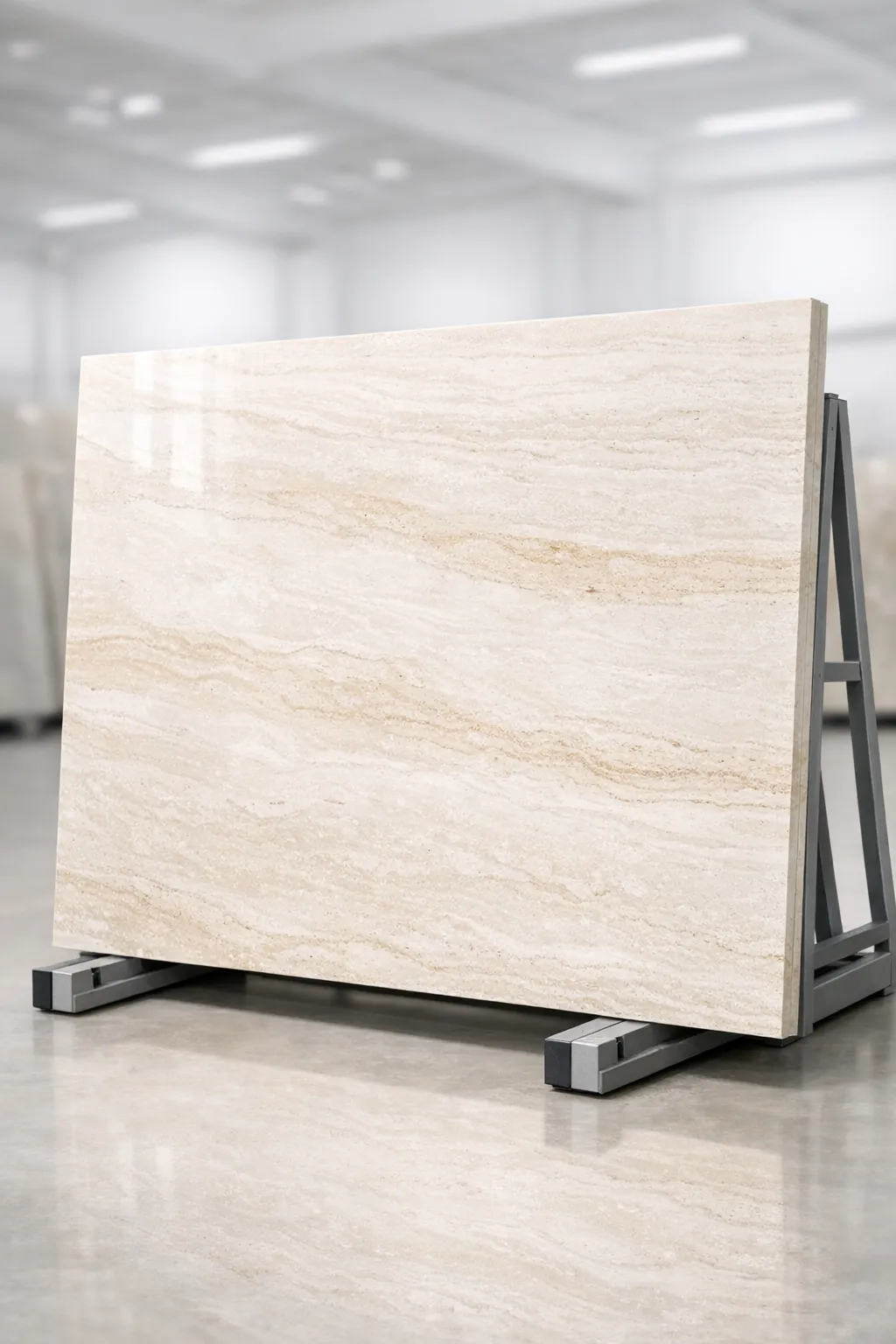
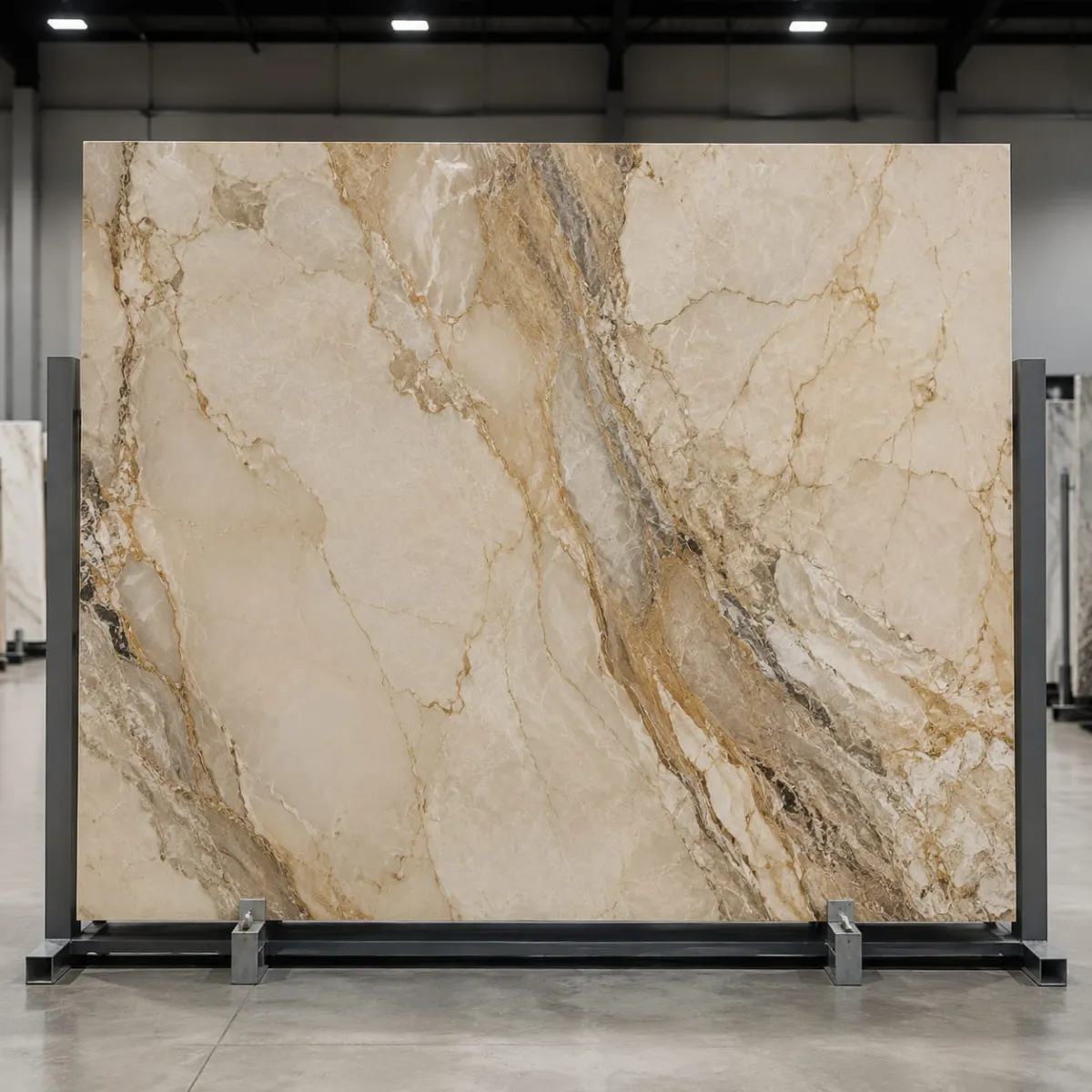
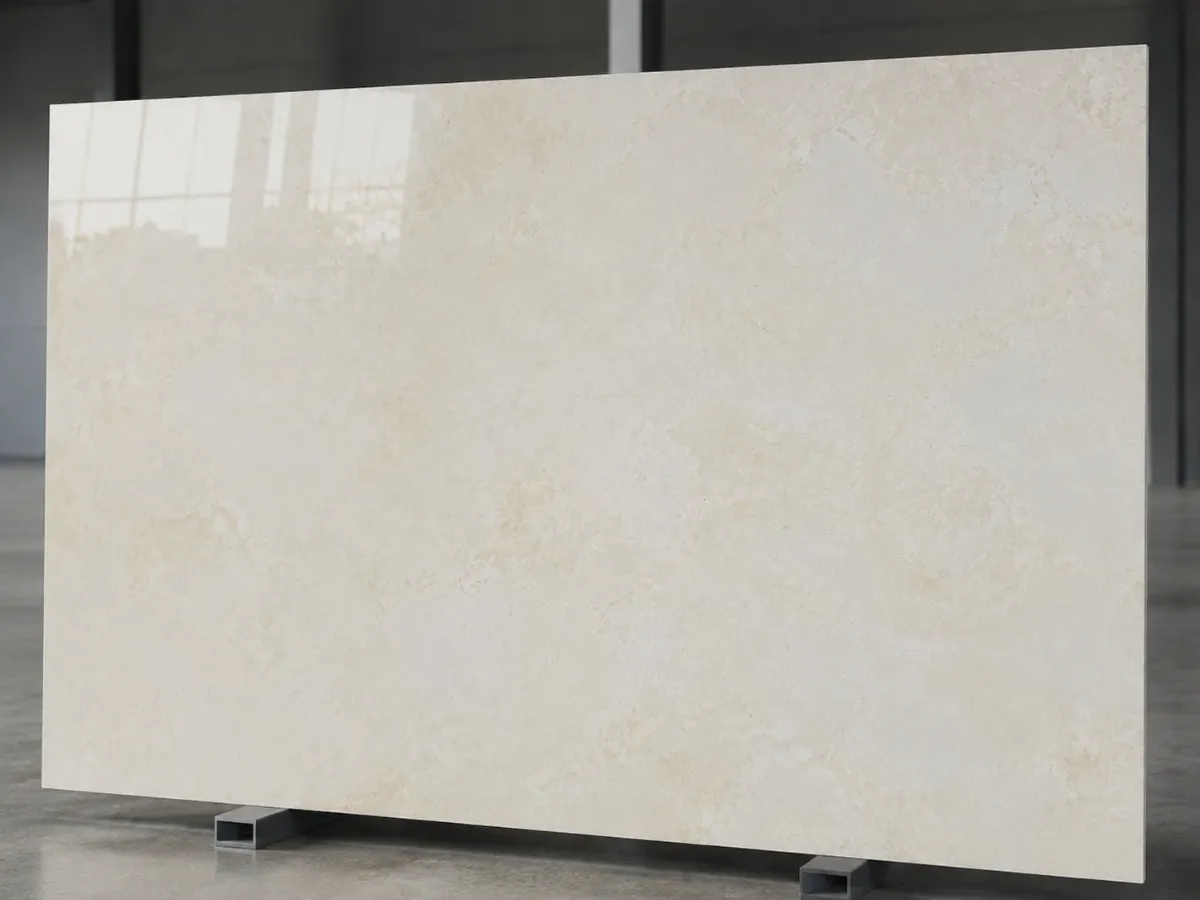
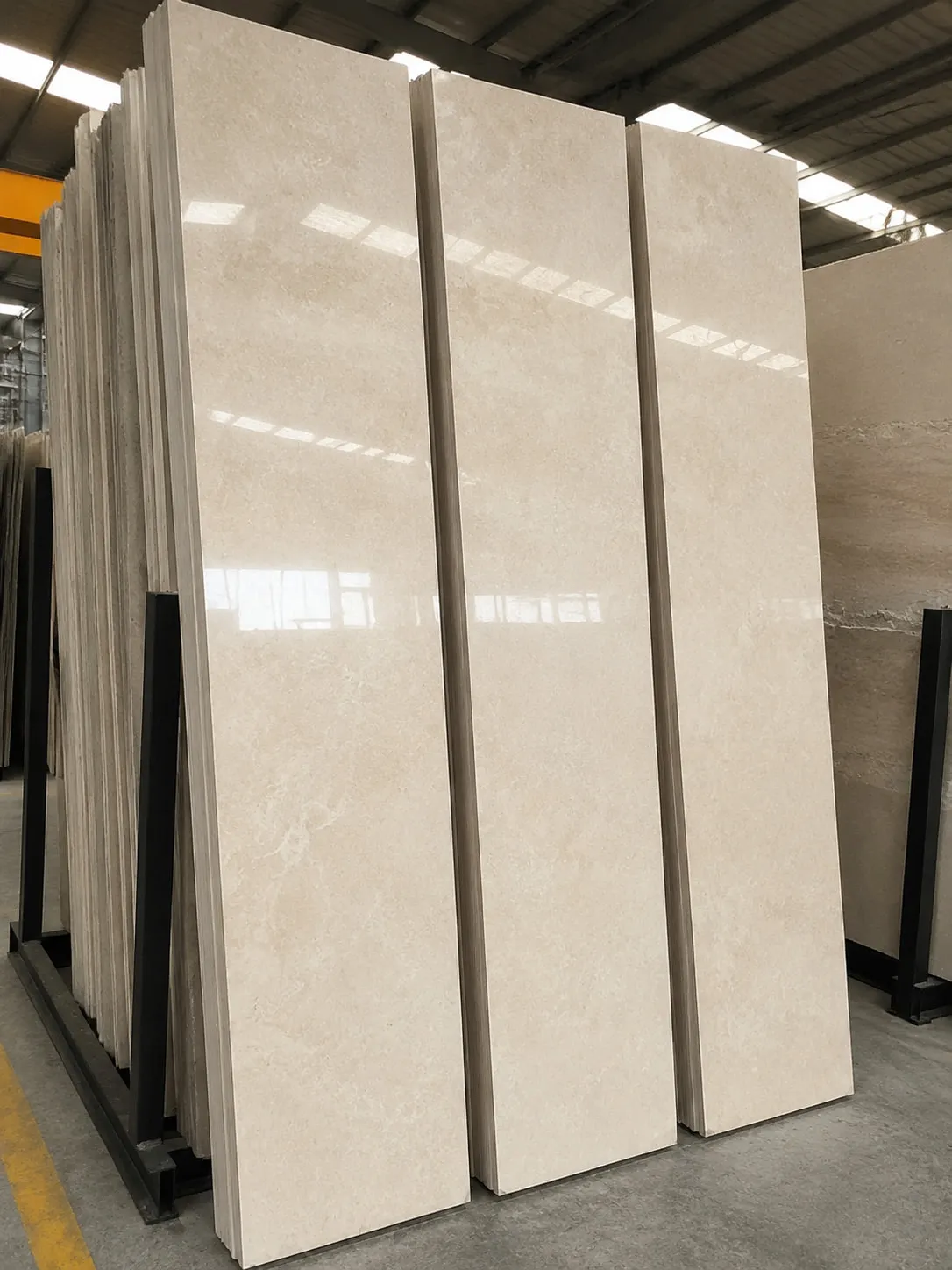
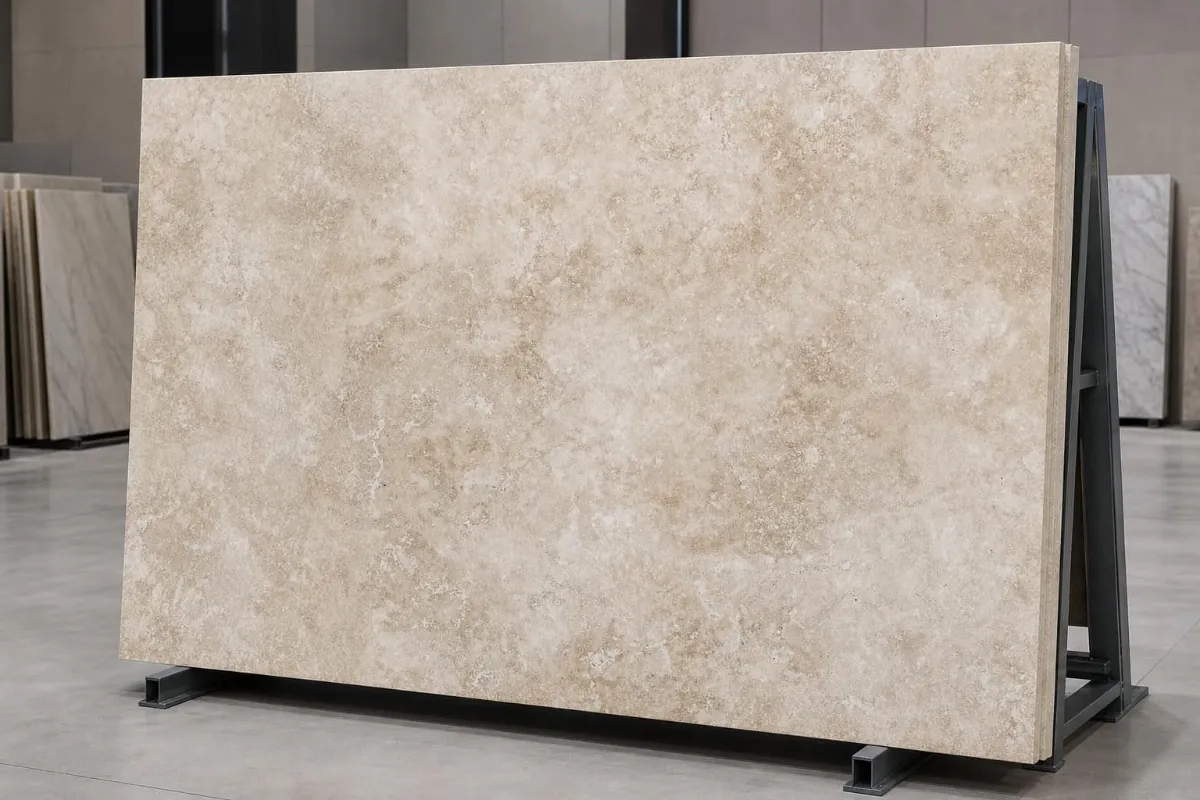
Targh travertine is a widely specified natural stone extracted from the well-established quarries of the Targh region in Isfahan province, central Iran. Recognized for its warm cream to beige background with subtle brown and golden veining, this natural stone offers a balanced, inviting aesthetic that bridges classic warmth with contemporary refinement. Its reputation among architects, contractors, and stone wholesalers rests on consistent color tonality across large volumes, excellent workability, and a value-driven price-to-quality ratio that makes it a reliable option for both residential and commercial projects.
Technical Characteristics and Advantages
Targh travertine is a layered, banded sedimentary stone that delivers two distinct visual identities depending on the cut direction. Vein-cut processing reveals parallel, linear patterns suited to modern minimalist designs, while cross-cut slabs expose swirling, cloud-like formations for a more decorative, classical appearance. With compressive strength ranging between 400 and 600 kg/cm², it meets structural safety requirements for main facades and moderate-traffic flooring without adding excessive dead load. The stone’s naturally medium-to-high porosity is fully treated with epoxy resin during processing, reducing final water absorption to under one percent and significantly improving bonding strength with cementitious mortars. Multiple surface finishes are available to suit diverse design requirements.
- Color and appearance: warm cream base with soft brown, gold, and occasional white vein accents
- Texture and structure: layered, porous fabric fully sealed with epoxy resin
- Compressive strength: 400–600 kg/cm²
- Final water absorption: below 1% after resin treatment
- Available finishes: polished (glossy, reflective), leather (matte, tactile), honed (matte, smooth), tumbled (aged, softened edges)
- Quality grades: super (most uniform), first grade, second grade, commercial, export grade
Recommended Architectural Applications
Thanks to its color versatility and processing flexibility, Targh travertine fits a wide range of architectural applications. Its primary use is external facade cladding, installed either as a ventilated curtain wall or with direct adhesion, where its relatively low weight and strong mortar grip contribute to long-term installation safety. Inside the building, large book-matched and four-matched polished slabs create striking feature walls for lobbies, reception areas, and TV accent walls. For flooring, honed and leather finishes perform well in residential hallways, living rooms, and covered courtyards, delivering natural warmth underfoot. The stone is also extensively used for stair treads, bathroom vanity tops, interior columns, and decorative facade elements such as window surrounds, cornices, and skirting details.
Brief Comparison: Targh Travertine vs. Abbasabad Travertine
Targh travertine and Abbasabad travertine are two of the most frequently specified Iranian stones, yet they serve different design intentions. Targh delivers a warm cream-to-beige color spectrum with subtle, flowing movement, creating a calm, uniform surface that works exceptionally well across large facade expanses. Abbasabad travertine, quarried in a different region, is known for its lighter white to ivory background with more pronounced, dramatic veining and occasional fossil-like inclusions that give it a distinctive, high-contrast personality. From a technical standpoint, both stones undergo resin impregnation to manage porosity and water absorption, though Targh often exhibits more consistent block-to-block uniformity, which simplifies large-volume procurement. In terms of finish compatibility, Targh responds beautifully to matte textures like leather and honed finishes that soften light reflection and amplify its warm character, whereas polished Abbasabad emphasizes its crystalline veining and high-contrast patterning. The final choice depends on the architectural language of the project: Targh suits schemes that prioritize tonal harmony and understated elegance, while Abbasabad is preferred when the stone itself is intended to be a bold visual feature.
Selection Guidelines and Installation Notes
Achieving a harmonious visual result starts with proper grade selection based on full-slab inspection or high-resolution batch photography, not a single small sample, to ensure color and vein consistency across the entire elevation or floor area. During installation, mechanical anchoring with appropriate scoping and compatible cement-based adhesives is mandatory for standard 2 cm and 3 cm thicknesses, and expansion joints must be accounted for on larger surfaces. Given that travertine is inherently softer than granite, high-traffic commercial floors may benefit from nano-protective sealers or a preference for honed and leather finishes, which naturally disguise daily wear better than polished surfaces.
In summary, Targh travertine continues to hold its place as a strategically sound, cost-effective material choice for projects that demand a refined blend of natural beauty, dependable structural performance, and regional availability. Its established presence in Middle Eastern and European export markets further confirms its reliability as a specification-grade building stone.
| Stone Type | Travertine |
| Suitable for | Indoor & Outdoor |
| Texture | Wavy |
| Mine | Toroq, Kuhpayeh County, Isfahan Province |
| Colors | Cream، Brown، Gold |
| Qualities | Grade 1، Grade 2، Super، Commercial، Export Grade |
| Thicknesses | 2 cm، 3 cm |
| Compressive | About 400 to 600 kg/cm² |
| Abrasion | Medium - suitable for medium-traffic flooring |
| Water Abs. | About 1.5% to 3% by weight (before resin) |
| Porosity | Medium to High (filled with epoxy resin in processing) |