Torshab Travertine Stone
Extracted from the renowned quarries of Mahalat, Iran, Torshab Travertine Stone is a premium natural stone celebrated for its warm cream to chocolate ...
Where to use Torshab Travertine Stone
Torshab Travertine Stone
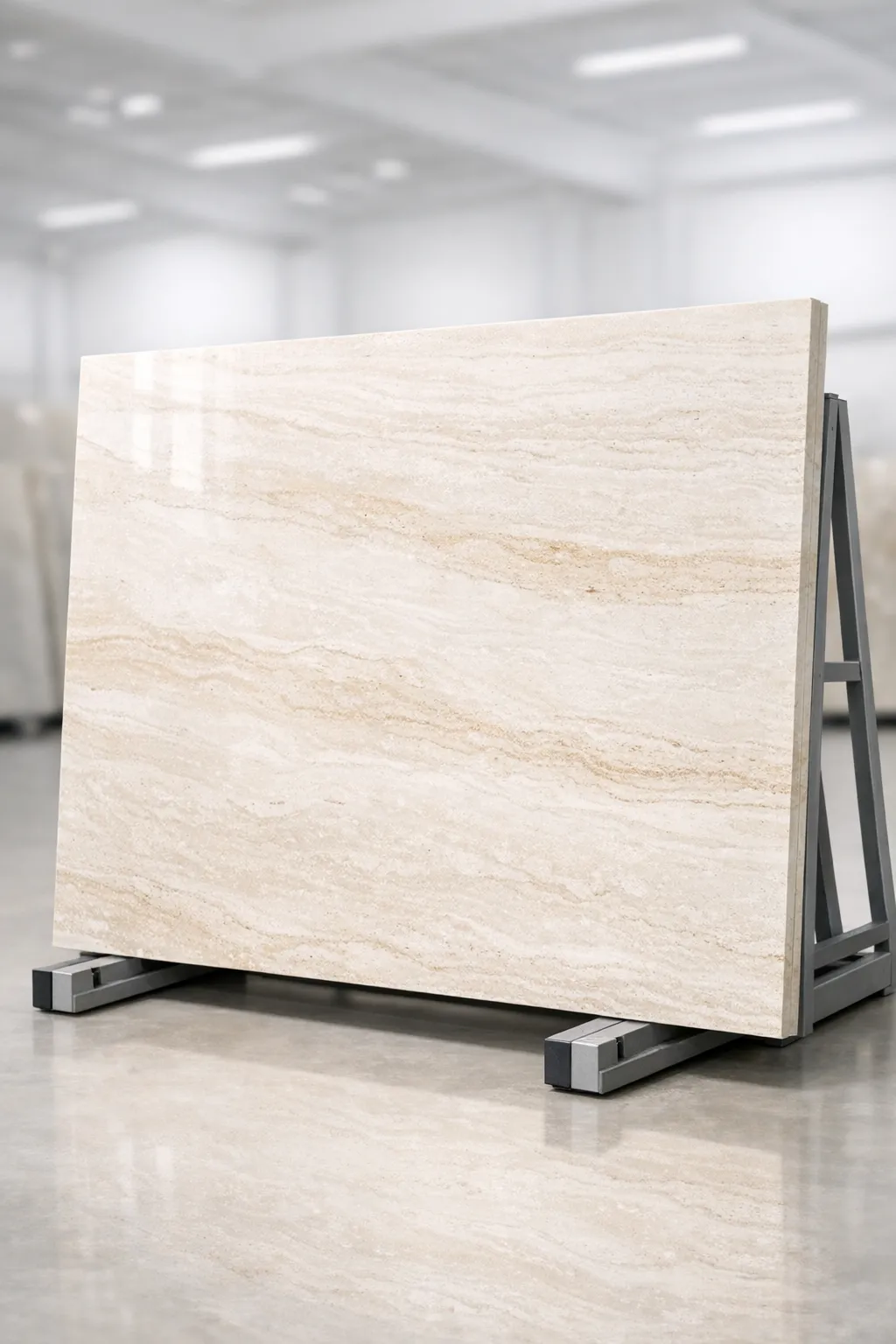
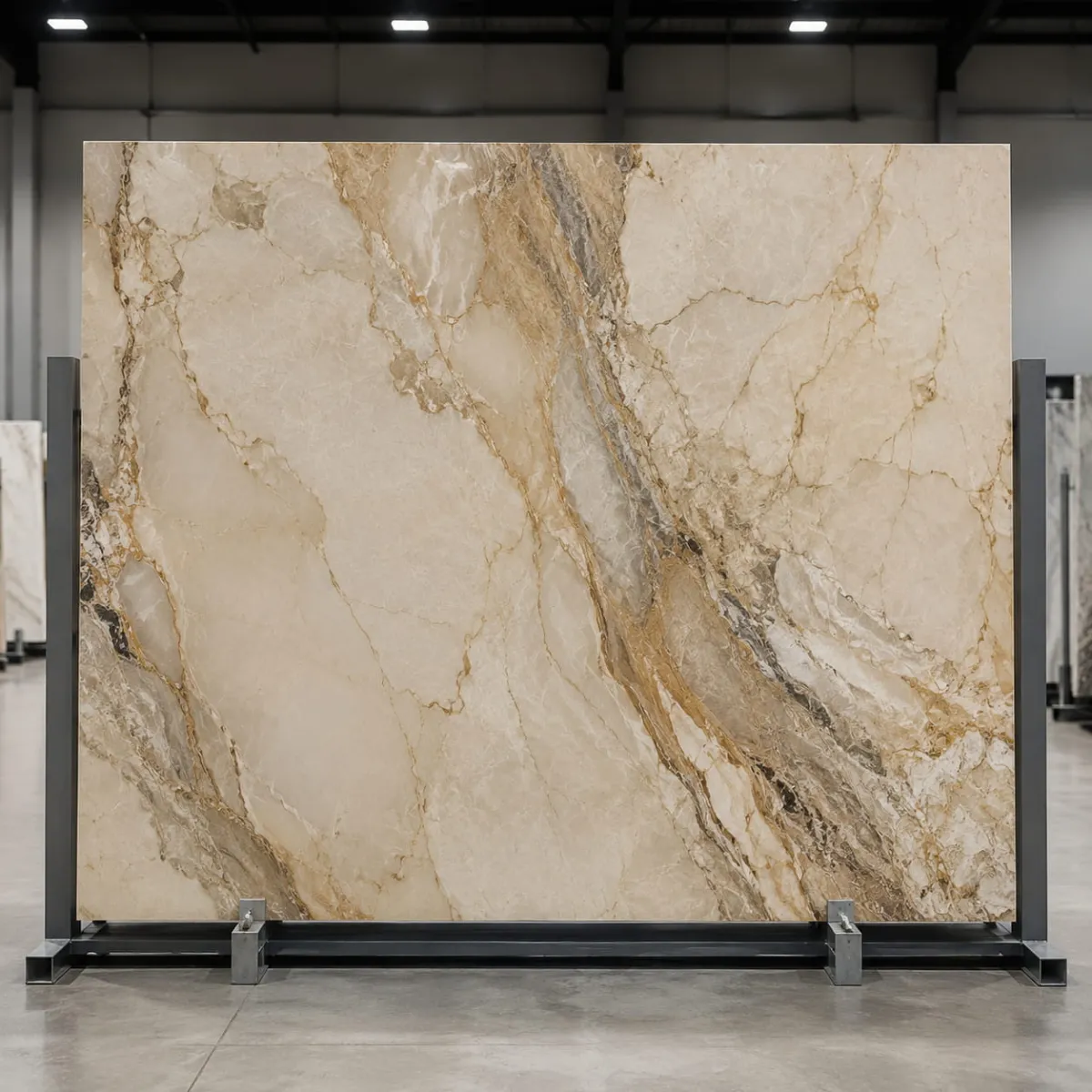
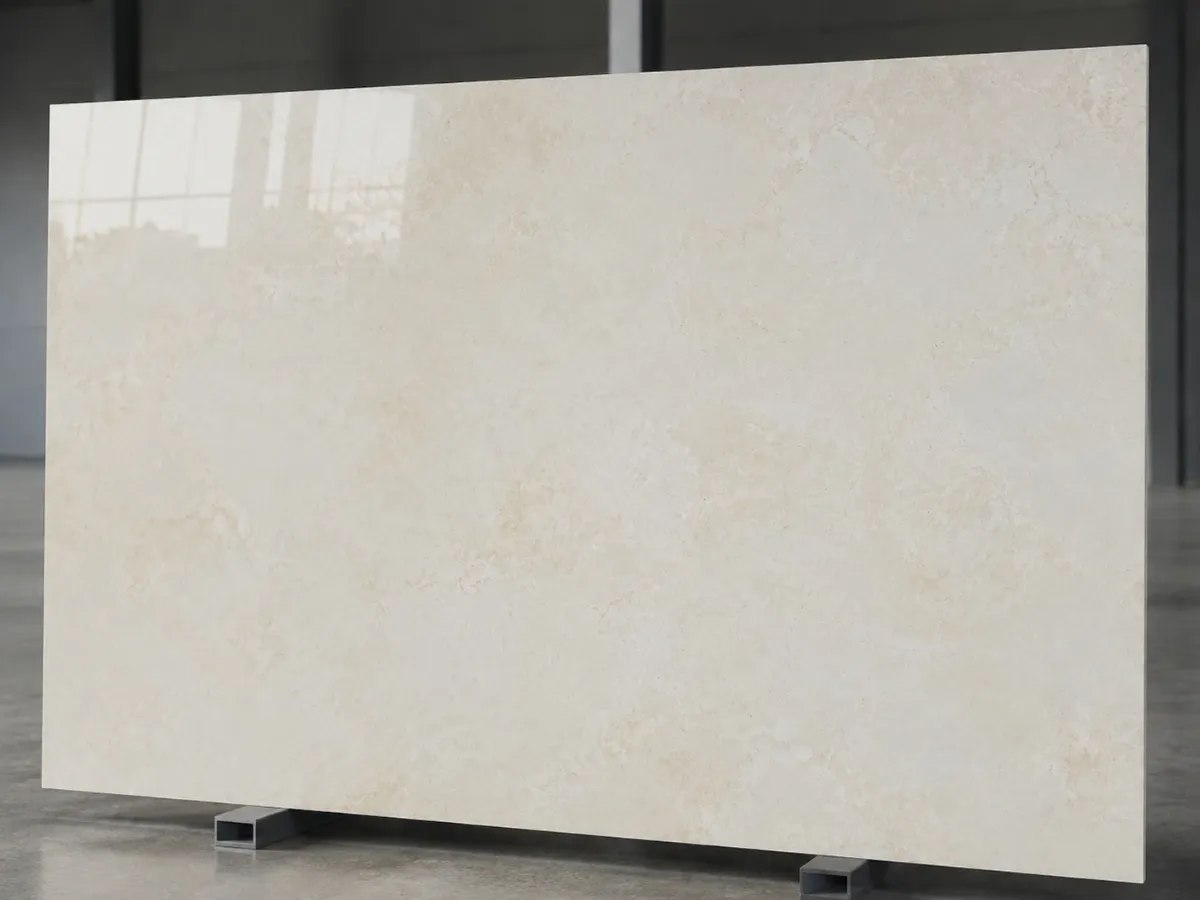
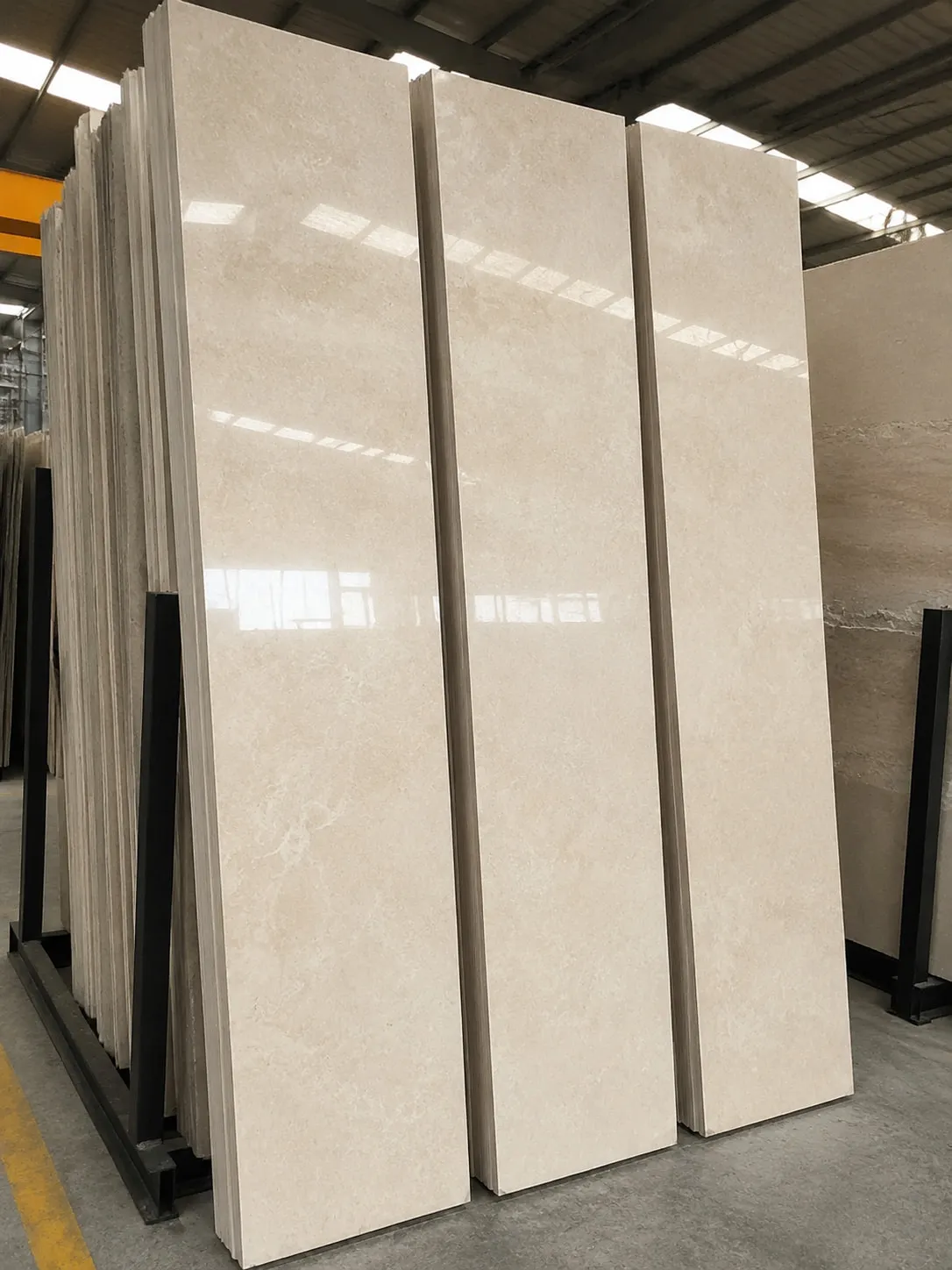
Extracted from the renowned quarries of Mahalat in Markazi Province, Iran, Torshab Travertine Stone is a natural building material characterized by its earthy color palette, ranging from soft cream and elegant beige to rich walnut and chocolate. It is available in both Vein Cut (Wavy) and Cross Cut (Unwavy) textures, offering versatility for various architectural designs.
Technical Specifications
| Property | Value / Characteristics |
|---|---|
| Compressive Strength | Approximately $45$ to $55$ MPa |
| Water Absorption | About $1\%$ to $1.5\%$ (for resin or epoxy treated samples) |
| Porosity | Approximately $7\%$ to $10\%$ |
| Texture Options | Vein Cut (Wavy) & Cross Cut (Unwavy) |
| Surface Finishes | Polished, Leathered, Honed |
| Abrasion Resistance | Medium (Suitable for facades) |
Key Technical Characteristics of Torshab Travertine
The physical profile of Torshab Travertine offers versatility for different architectural requirements. Key technical aspects include:
- Compressive Strength: Typically ranges between $45$ and $55$ MPa.
- Porosity: With a natural porosity rate of $7\%$ to $10\%$.
- Water Absorption: For samples treated with resin or epoxy, absorption is approximately $1\%$ to $1.5\%$.
- Texture and Patterns: Available in both Vein Cut (wavy) and Cross Cut (unwavy) patterns.
- Surface Finishes: Can be processed in Polished, Leathered, or Honed finishes.
- Application Suitability: With medium abrasion resistance, it is suitable for vertical applications such as building facades and interior wall cladding. For projects in specific or extreme climates, we recommend reviewing the characteristics of individual batches and consulting with a specialist.
Torshab Travertine Stone
| Property | Value |
|---|---|
| Stone Type | Travertine |
| Quarry / Origin | Mahallat, Central Province, Iran |
| Texture | Wavy & Non-Wavy |
| Suitable Space | Indoor & Outdoor |
| Colors | Brown, Cream, Beige, Walnut |
| Applications | Roman Facade Stone, Interior Facade Stone, Building Exterior Facade Stone, Wall Stone (Partition or Interior Facade), Main Building Facade, Roman & Classic Facades, Interior Lobby & Common Area Walls |
| Finish Type | Polished, Leathered, Honed |
| Processing Type | Resin Treated, Epoxy Treated, Calibrated |
| Grades | Super, Grade 1, Grade 2 |
| Thicknesses | 1.5 cm, 2 cm, 4 cm |
| Dimensions | Tile, Slab, Lengthwise, Facade |
| Water Absorption | Approx. 1% to 1.5% |
| Compressive Strength | Approx. 45 to 55 MPa |
| Abrasion Resistance | Medium (suitable for facades) |
| Porosity | Approx. 7% to 10% |
Suggested Architectural Applications
Torshab Travertine is commonly utilized for the following applications:
- Building exterior facades, including Roman and classic architectural styles.
- Interior wall cladding for residential complexes, hotel lobbies, and commercial areas.
- Decorative interior elements, such as partitions and feature walls.
- Architectural details, including window frames, door surrounds, and exterior cornices.
Pros and Cons
- Pros: Versatile texture options (Wavy/Non-wavy), suitable for both interior and exterior applications, and available in various finishes.
- Cons: As a natural stone, color and veining variations between batches are expected.
Torshab Travertine Stone
Torshab Travertine Stone
Technical Specifications
| Property | Value |
|---|---|
| Stone Type | Travertine |
| Origin / Quarry | Mahallat, Iran |
| Colors | Brown, Cream, Beige, Walnut |
| Textures | Wavy & Non-Wavy |
| Finish Types | Polished, Leathered, Honed |
| Processing | Resin Treated, Epoxy Treated, Calibrated |
| Thicknesses | 1.5 cm, 2 cm, 4 cm |
| Water Absorption | About 1% to 1.5% |
| Compressive Strength | About 45 to 55 MPa |
| Porosity | About 7% to 10% |
| Primary Applications | Building Exterior Facade, Interior Walls |
Pros and Cons
- Pros: Natural aesthetic with varying textures (Wavy/Non-Wavy); suitable for both indoor and outdoor facade applications; versatile finishes available.
- Cons: Natural stone variations in color and veining; requires professional installation and periodic sealing for optimal protection.
Selection and Installation Considerations
When selecting Torshab Travertine, we recommend reviewing physical samples to account for natural variations in color, veining, and texture. For exterior applications, it is advised to verify the specific batch's water absorption and porosity levels. To ensure longevity, professional installation is recommended, along with the use of pH-neutral sealants to protect the stone's surface.
Frequently Asked Questions
- What is the difference between Wavy and Non-Wavy textures?
- Wavy (Vein-cut) textures show patterns parallel to the stone's bedding plane, whereas Non-Wavy (Cross-cut) patterns run perpendicular to it.
- Is Torshab Travertine suitable for outdoor use?
- Yes, it is suitable for exterior facades. However, for environments subject to freeze-thaw cycles, we recommend verifying the water absorption and porosity of your selected batch.
- How should I clean Torshab Travertine?
- Use only pH-neutral cleaners. Avoid acidic or highly alkaline substances that may react with the natural calcium carbonate structure.
- Can I guarantee an exact color match?
- As a natural product, color and veining vary between batches. We recommend reviewing physical samples to ensure they align with your design intent.
Comparing Torshab Travertine with Similar Products
| Feature | Torshab Travertine | Abbas Abad Travertine | Hajiabad Travertine |
|---|---|---|---|
| Color Profile | Brown, Cream, Beige, Walnut | White, Light Cream, Cream | Light Cream, Bone, Beige |
| Water Absorption | About 1% to 1.5% | Approx. 0.3% to 0.8% | 1.5% to 3% |
| Compressive Strength | About 45 to 55 MPa | Approx. 100 to 150 MPa | 70 to 120 MPa |
| Porosity | About 7% to 10% | Approx. 1% to 3% | Approx. 8% to 12% |
Comparison of Torshab Travertine with Similar Products
This comparison table provides technical data to help architects and contractors evaluate the physical properties of Torshab Travertine against other options in our inventory.
| Property | Abbas Abad | Hajiabad | Atashkooh | Abgarm Mahallat | |
|---|---|---|---|---|---|
| Water Absorption (%) | About 1 to 1.5 | Approx. 0.3 to 0.8 | 1.5 to 3 | Less than 0.3 | About 0.5 to 1 |
| Compressive Strength (MPa) | About 45 to 55 | Approx. 100 to 150 | 70 to 120 | N/A | About 80 to 100 |
| Porosity (%) | About 7 to 10 | N/A | Approx. 8 to 12 | 5 to 9 | About 1 to 2 |
| Texture | Wavy & Non-Wavy | Wavy | Wavy | Porous sedimentary | Uniform |
| Typical Application | Exterior Facades & Interior Walls | Exterior Facades | Facades & Staircases | Outdoor | Exterior Facades |
Torshab Travertine Stone
Torshab Travertine is a versatile sedimentary stone known for its distinctive textures and aesthetic warmth, making it a reliable choice for both interior and exterior architectural applications, such as building facades and interior walls.
Technical Specifications
| Technical Specification | Value |
|---|---|
| Stone Type | Travertine |
| Compressive Strength | 45 to 55 MPa |
| Water Absorption | About 1% to 1.5% |
| Porosity | Approximately 7% to 10% |
| Abrasion Resistance | Medium (suitable for facades) |
Pros and Cons of Torshab Travertine
- Pros: Versatile color palette (Walnut, Beige, Cream); available in both Wavy and Non-Wavy textures for diverse architectural styles.
- Cons: Natural variations in color and veining between batches; moderate porosity (approx. 7-10%) may require professional sealant application for moisture management in outdoor environments.
Comparing Torshab Travertine with Similar Products
This comparison table helps architects and contractors evaluate technical specifications to select the most suitable travertine stone for specific facade or interior projects.
| Feature | Abbas Abad Travertine | Hajiabad Travertine | Atashkooh Travertine | Abgarm Mahallat Travertine | |
|---|---|---|---|---|---|
| Water Absorption | About 1 to 1.5% | Approx. 0.3 to 0.8% | 1.5% to 3% | Less than 0.3% | About 0.5 to 1% |
| Compressive Strength | About 45 to 55 MPa | Approx. 100 to 150 MPa | 70 to 120 MPa | 510 to 540 kg/cm² | About 80 to 100 MPa |
| Porosity | About 7 to 10% | Approx. 1 to 3% | Approx. 8% to 12% | 5 to 9% | About 1 to 2% |
| Main Applications | Facade & Interior Walls | Facade & Interior Walls | Facade & Interior Walls | Outdoor & Commercial Flooring | Facade & Interior Walls |
| Texture | Wavy & Non-Wavy | Wavy | Wavy | Porous sedimentary | Uniform |
Selection and Installation Considerations
To ensure optimal results for your architectural project, professional evaluation during the selection and installation phases is recommended:
- Texture & Aesthetic Harmony: Select Wavy (Vein-cut) textures for classic, Roman-inspired facades, or Non-Wavy (Cross-cut) finishes for clean, modern, and minimalist architectural lines.
- Environmental Assessment: Since the stone's porosity can influence performance, we recommend verifying batch-specific characteristics for regions exposed to moisture or temperature shifts and applying appropriate sealants.
- Technical and Dimensional Verification: Match the required thickness (1.5 cm, 2 cm, or 4 cm) and finish types (Polished, Honed, or Leathered) with your specific structural and aesthetic requirements.
Note: For precise technical recommendations or tailored guidance based on your project's specifications, please submit an inquiry to our sales experts.
Pros and Cons of Torshab Travertine
- Pros: Versatile color palette (Brown, Cream, Beige, Walnut); suitable for both indoor and outdoor architectural applications; available in diverse finishes (Polished, Leathered, Honed).
- Cons: Natural porosity (approx. 7%–10%) requires professional sealing for moisture management; natural variations in color and vein patterns occur between batches.
Comparing Torshab Travertine with Similar Products
| Feature | Torshab Travertine | Abbas Abad Travertine | Hajiabad Travertine | Atashkooh Travertine |
|---|---|---|---|---|
| Stone Type | Travertine | Travertine | Travertine | Travertine |
| Compressive Strength | 45 to 55 MPa | N/A | 70 to 120 MPa | 510 to 540 kg/cm² |
| Water Absorption | About 1% to 1.5% | N/A | 1.5% to 3% | Less than 0.3% |
| Porosity | 7% to 10% | N/A | 8% to 12% | 5% to 9% |
| Primary Application | Facades & Interior | Facades & Interior | Facades & Interior | Exterior & Commercial |
Frequently Asked Questions
- Is Torshab Travertine suitable for outdoor use?
- Yes, it is widely used for building and exterior facades. For specific environmental conditions or high-moisture areas, we recommend reviewing batch-specific characteristics and project requirements.
- What is the difference between Wavy and Non-Wavy textures?
- Wavy (Vein-cut) textures run parallel to the natural stone veins, delivering a traditional look, whereas Non-Wavy (Cross-cut) textures are cut across the veins for a uniform, contemporary appearance.
- How should I maintain Torshab Travertine?
- Use pH-neutral cleaners for routine maintenance and periodic sealing to protect the stone's natural surface from environmental exposure and staining.
Frequently Asked Questions
- What is the difference between Wavy and Non-Wavy textures? Wavy (Vein-cut) texture follows the natural stone layers for a classic look, while Non-Wavy (Cross-cut) provides a more uniform, modern surface.
- Is it suitable for outdoor use? Yes, it is suitable for facades; however, for high-moisture or freezing environments, we recommend evaluating the specific batch's porosity and applying appropriate sealants.
- How should I clean Torshab Travertine? To preserve the stone, use pH-neutral cleaners and avoid acidic substances.
- Can I guarantee an exact color match? Due to the unique nature of natural stone, color and veining variations between batches are expected.
Which one should you choose?
Selection depends on the specific technical requirements of your project:
- If low water absorption and moisture resistance are your priority for outdoor use, Atashkooh Travertine is a highly specialized option due to its very low absorption rate.
- If you require maximum compressive strength for heavy-duty or high-rise structural applications, Abbas Abad Travertine or Abgarm Mahallat Travertine offer higher structural density.
- If you prefer Torshab Travertine, it serves as a versatile option with balanced porosity and strength, suitable for standard residential facades and interior wall partitions.
- Note that while Torshab offers a range of textures (Wavy/Non-Wavy), some alternatives like Abbas Abad are limited to Wavy textures.
Torshab Travertine Stone
| Technical Specifications | Details |
|---|---|
| Stone Type | Travertine |
| Quarry / Origin | Mahallat, Iran |
| Colors | Brown, Cream, Beige, Walnut |
| Texture Options | Wavy & Non-Wavy |
| Finish Types | Polished, Leathered, Honed |
| Processing | Resin Treated, Epoxy Treated, Calibrated |
| Grades | Super, Grade 1, Grade 2 |
| Thicknesses | 1.5 cm, 2 cm, 4 cm |
| Water Absorption | 1% to 1.5% |
| Compressive Strength | 45 to 55 MPa |
| Porosity | 7% to 10% |
Key Characteristics of Torshab Travertine
Torshab Travertine is a versatile natural stone suitable for both interior and exterior applications, including building facades, walls, and decorative surfaces. Available in various finishes such as polished, leathered, or honed, it accommodates both modern and classic architectural styles.
Pros and Cons
- Pros: Versatile aesthetic for diverse architectural styles; suitable for both indoor and outdoor facade use; multiple finish and processing options available.
- Cons and Considerations: Natural variations in color and vein patterns are expected between batches; sensitive to acidic cleaners; requires appropriate sealing to manage natural porosity.
Selection and Installation Considerations
To ensure optimal results for your project, please consider the following technical guidelines:
- Batch Consistency: Due to natural variations in color and vein patterns, it is recommended to inspect samples from the specific production batch intended for your project.
- Surface Maintenance: To prevent etching, use only pH-neutral cleaners. Avoid acidic or highly alkaline substances that may react with the travertine surface.
- Installation: For building exterior facades, ensure appropriate mechanical fixing or professional mortar application. Given the natural porosity, applying a sealer may assist in managing moisture.
- Climatic Suitability: For regions subject to freeze-thaw cycles, please review the specific batch's water absorption rates (approx. 1% to 1.5%) to ensure suitability for your environmental conditions.
Comparison of Torshab Travertine with Similar Products
| Feature | Torshab Travertine | Abbas Abad Travertine | Hajiabad Travertine | Atashkooh Travertine |
|---|---|---|---|---|
| Color Profile | Brown, Cream, Beige, Walnut | White, Light Cream, Cream | Light Cream, Bone Cream, Beige | Pearlescent White, Light Cream, Bone |
| Texture | Wavy & Non-Wavy | Wavy | Wavy | Porous sedimentary |
| Compressive Strength | 45 to 55 MPa | N/A | 70 to 120 MPa | 510 to 540 kg/cm² |
| Water Absorption | 1% to 1.5% | N/A | 1.5% to 3% | Less than 0.3% |
| Primary Use | Indoor & Exterior Facades | Modern/Classic Facades | Modern/Classic Facades | High-rise/Commercial Exterior |
Pros and Cons of Torshab Travertine
- Pros: Versatile texture options (Wavy and Non-Wavy); suitable for both interior and exterior facade applications; moderate water absorption.
- Cons: Natural porosity requires proper sealing for enhanced moisture resistance; color and vein patterns naturally vary between batches.
Frequently Asked Questions
For specific technical inquiries or to request detailed batch documentation, please contact our technical specialists.
Frequently Asked Questions (FAQ)
What is the difference between Wavy and Non-Wavy textures?
Wavy texture (Vein-cut) follows the natural direction of the stone's veins, providing a rhythmic pattern, whereas Non-Wavy (Cross-cut) offers a more uniform and consistent appearance.
Is Torshab Travertine suitable for outdoor use?
Torshab Travertine is commonly used for building exterior facades. However, since performance depends on the specific batch and local environmental conditions, we recommend reviewing the batch-specific technical data and applying an appropriate sealer.
How should I clean Torshab Travertine?
To maintain the stone's integrity, always use pH-neutral cleaners. Avoid acidic products, such as vinegar or citrus-based cleaners, which can damage the natural stone surface.
Can I guarantee the exact color match?
Due to the inherent natural variations in travertine, color, grain, and vein patterns differ between batches. We recommend requesting samples from your intended production batch to confirm the aesthetic match for your project.
Pros and Cons
- Pros: Versatile application for both interior walls and exterior facades; widely used for Roman and classic architectural styles.
- Cons: Naturally porous texture (approx. 7% to 10%); requires professional sealing to enhance resistance to moisture and acidic substances.
| Stone Type | Travertine |
| Suitable for | Indoor & Outdoor |
| Texture | Wavy & Non-Wavy |
| Mine | Mahallat, Markazi Province |
| Colors | Brown، Cream، Beige، Walnut |
| Qualities | Super، Grade 1، Grade 2 |
| Thicknesses | 1.5 cm، 2 cm، 4 cm |
| Compressive | About 45 to 55 MPa |
| Abrasion | Medium (suitable for facades) |
| Water Abs. | About 1 to 1.5 percent |
| Porosity | About 7 to 10 percent |
Where is Torshab Travertine quarried and what natural colors does it offer?
Torshab Travertine originates from quarries in Mahalat, Markazi Province, Iran. It features a distinctive warm color spectrum ranging from soft cream and elegant beige to rich walnut and chocolate tones.
Why is Torshab Travertine considered particularly reliable for facade mortar adhesion?
Its natural porosity of 7% to 10% provides the ideal mechanical grip for traditional cement mortar, ensuring secure and stable bonding across vertical exterior cladding and interior wall installations.
What surface finishes and cutting cuts are available for Torshab Travertine?
It can be processed in Vein Cut (wavy) and Cross Cut (unwavy) orientations. Surface finishing options include polished, leathered, and honed, filled with UV-resistant resin or epoxy to properly seal surface voids.
Can Torshab Travertine be used for high-traffic floor paving?
No, it is classified with medium abrasion resistance, making it engineered specifically for vertical cladding, feature walls, and architectural trims rather than high-traffic flooring.
How does Torshab Travertine compare technically to Torogh Travertine?
Torshab provides a warmer palette from beige to chocolate with dynamic veining and higher porosity (7% to 10%), offering easier cement mortar bonding. Torogh is lighter and denser, offering higher abrasion resistance but requiring mechanical scoop anchors.
What extra protection is recommended for Torshab Travertine in rainy or freeze-thaw climates?
Applying a penetrating nano-sealer after installation is recommended in wet or freezing environments. This breathable protective shield blocks water infiltration, efflorescence, and staining while letting the natural travertine breathe.