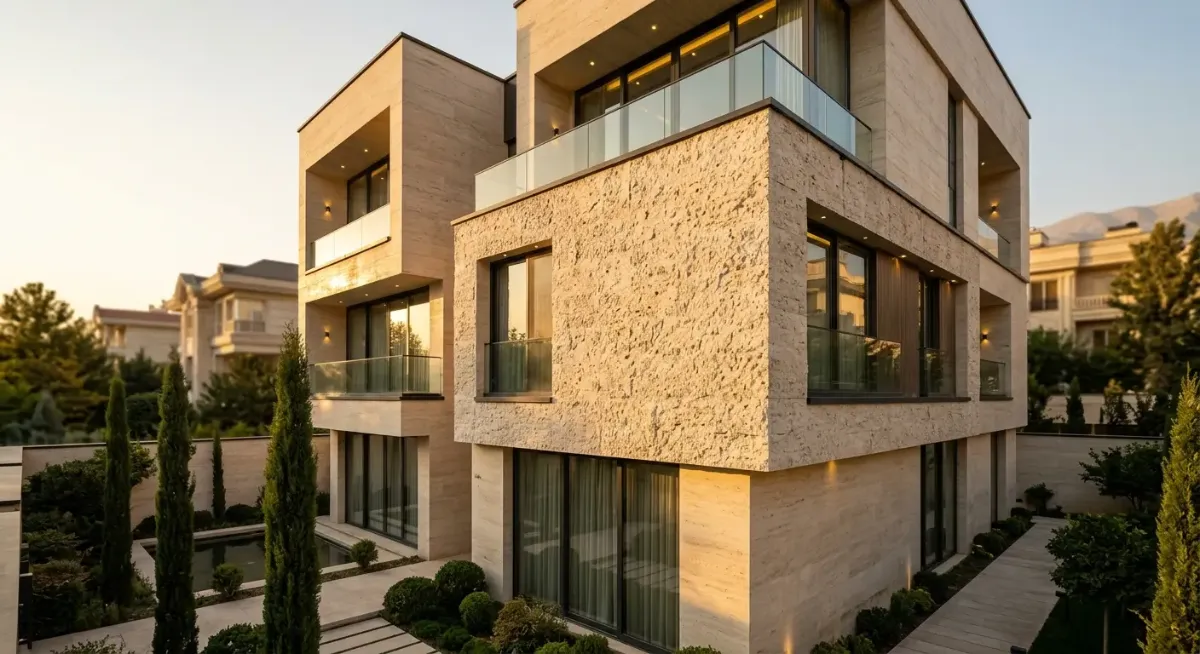
Why Travertine Flooring and Natural Stone Tile Captivate Architects and Homeowners Alike
Imagine a material that has witnessed the rise and fall of empires, yet feels perfectly at home in a sleek, contemporary penthouse. That is the enduring magic of travertine. As one of the most beloved natural stones in architectural history, travertine is far more than a simple building component; it is a sensory experience. Stepping onto a travertine floor is immediately grounding—its surface offers a subtle, natural grip underfoot, while its earthy tones of beige, walnut, and charcoal create a serene, inviting atmosphere that mass-produced ceramics simply cannot replicate.
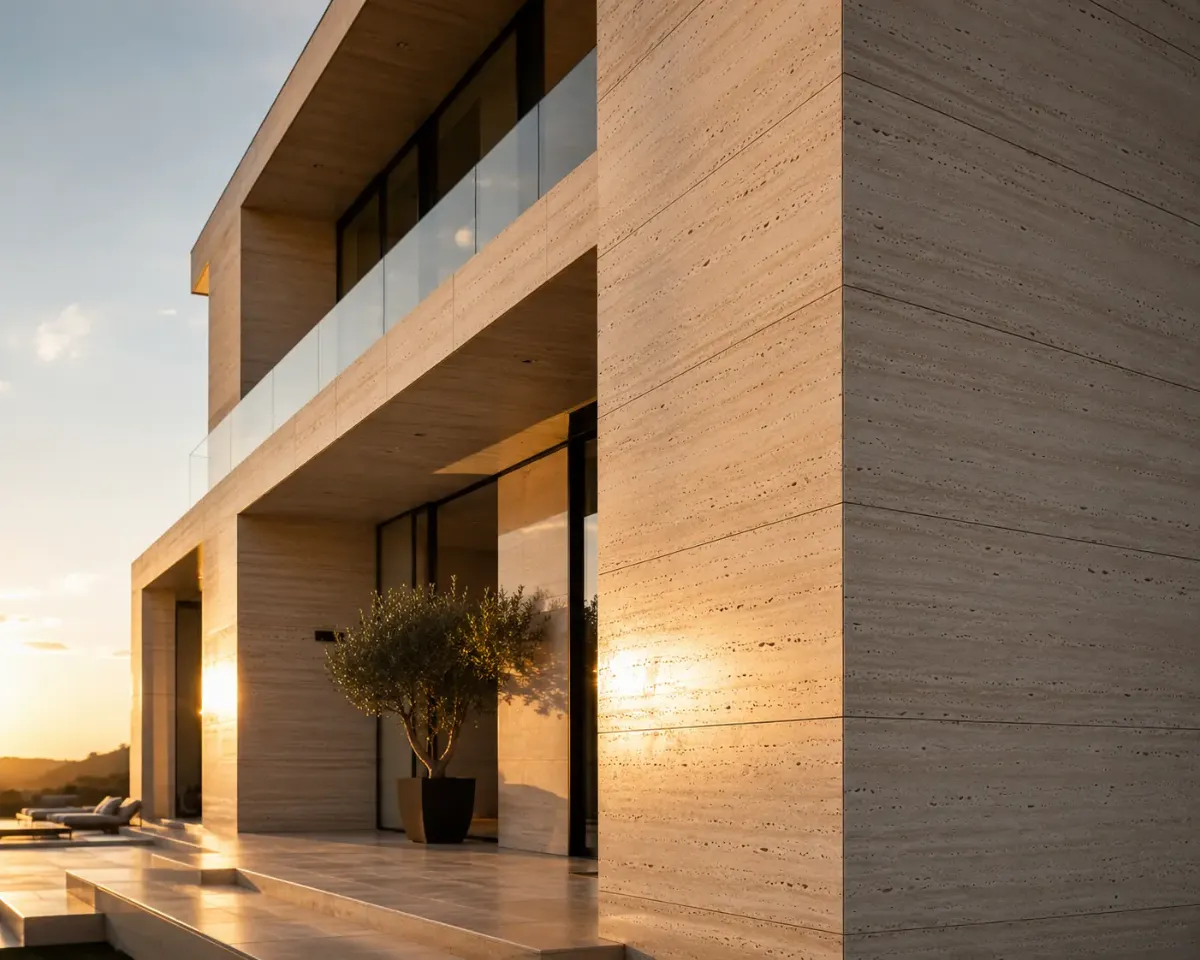
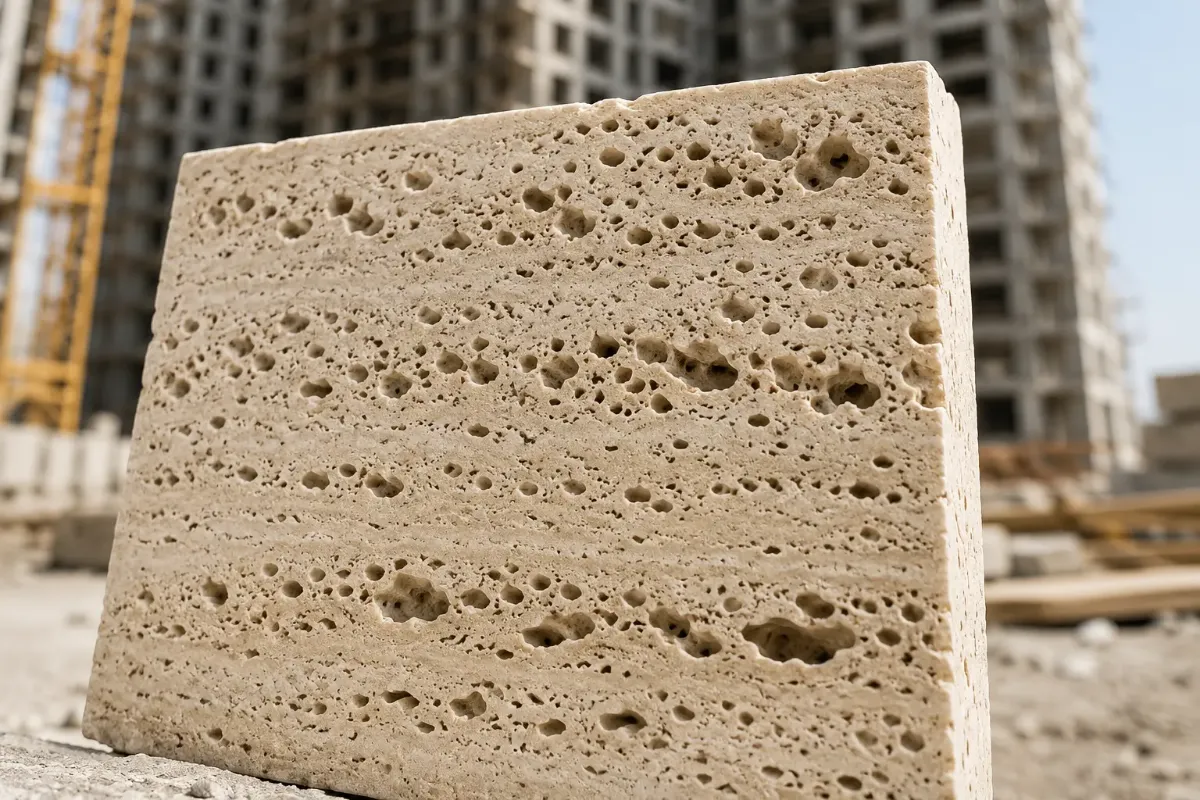
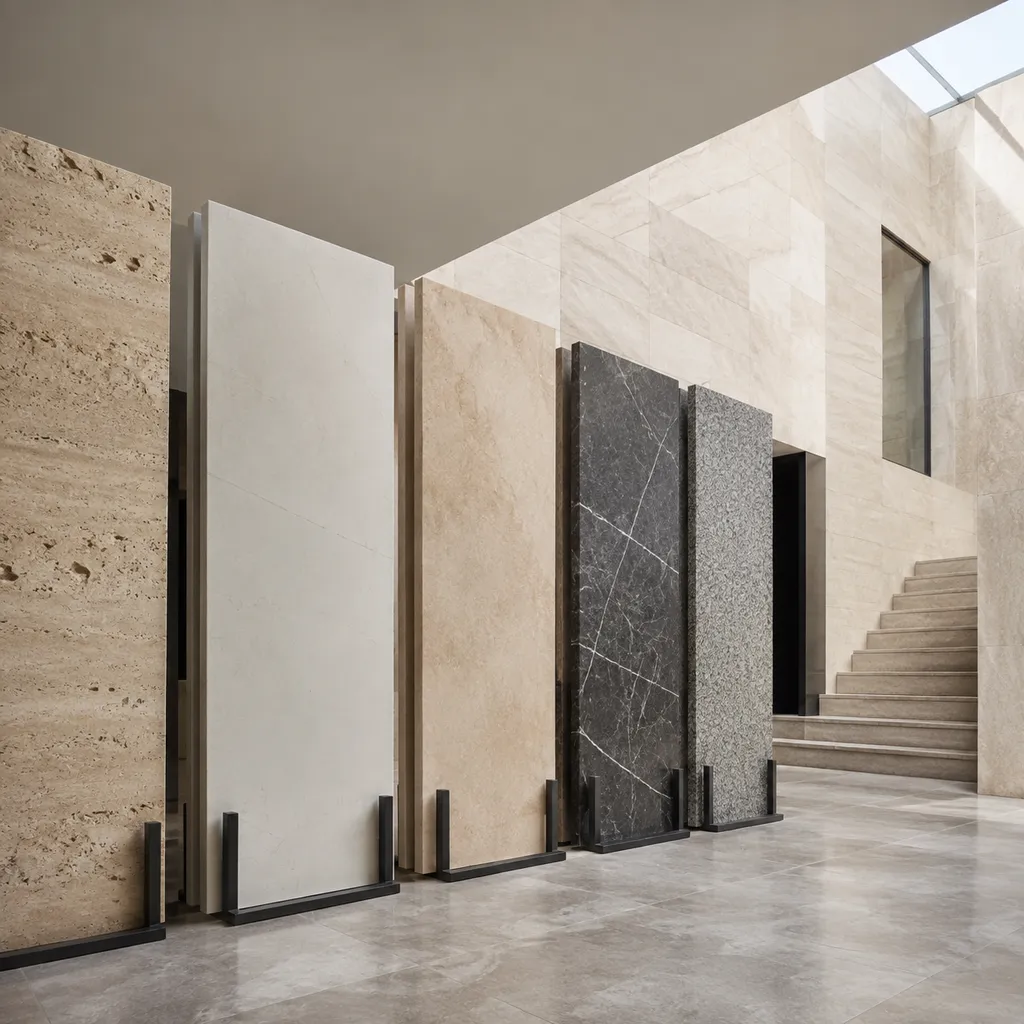
For interior designers and homeowners alike, the appeal of travertine tile lies in its incredible versatility. Whether you choose a honed travertine finish for a smooth, matte, contemporary look, or a tumbled travertine with its rustic, antique edges for a classic Mediterranean vibe, this natural stone adapts to your vision. Its unique cellular structure, born from mineral-rich hot springs, gives it a distinctive character—with natural pits and voids that tell a story of organic origins. Beyond its visual charm, travertine flooring remains comfortably cool during scorching summers, and its naturally textured surface provides excellent slip resistance, making it a safe and elegant choice for everything from expansive living rooms to poolside patios.
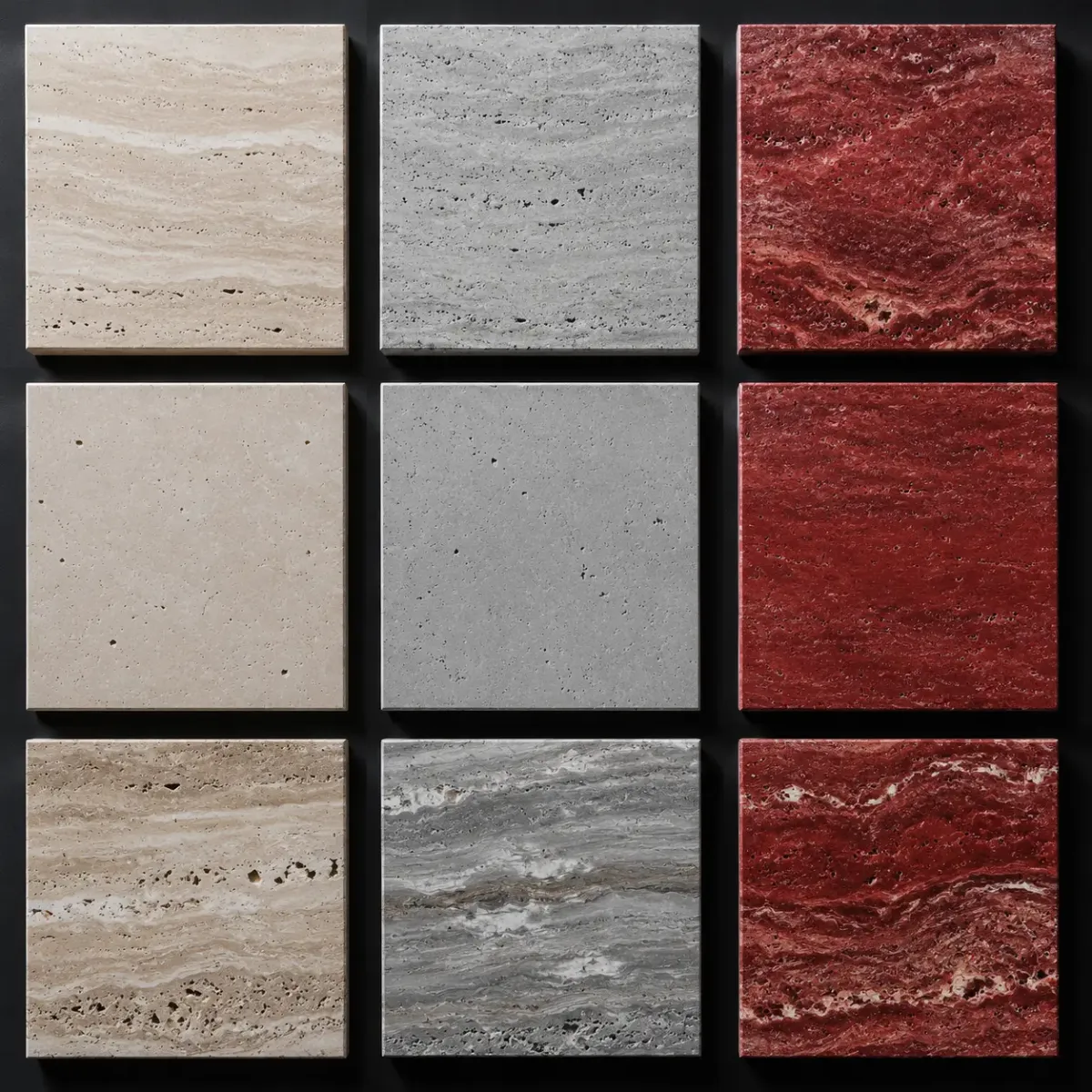
But the real beauty of travertine is its chameleon-like ability to bridge the gap between luxury and durability. It whispers old-world charm while standing up to the rigors of modern family life. As we explore this comprehensive guide, you will discover why this ancient stone continues to be a top-tier choice for architects and builders worldwide, and how its technical prowess—from impressive compressive strength to excellent thermal insulation—makes it as smart a choice as it is a beautiful one.
[انواع سنگ تراورتن و کاربردهای آن در نما]
Architectural Applications: Where Travertine Shines from Facade to Floor
The true genius of travertine lies not just in its beauty, but in its remarkable adaptability across virtually every architectural surface. Whether you are designing a monumental commercial facade or a cozy residential fireplace, this natural stone delivers both aesthetic impact and functional performance. Its unique combination of moderate weight, excellent thermal insulation, and natural slip resistance makes it a preferred choice for architects who refuse to compromise between art and engineering.
Exterior Cladding and Building Facades
Travertine has been the face of iconic structures for millennia, and for good reason. Its light-reflective surface helps reduce heat absorption in warm climates, while its natural thermal mass regulates interior temperatures by absorbing heat during the day and releasing it slowly at night. The stone's distinctive veining and warm earth tones create a visually striking facade that ages gracefully, developing a beautiful patina over time. For high-rise buildings, the relatively low weight of travertine (compared to granite or marble) reduces structural load requirements, making it an economically sound choice for large-scale projects.
Interior Flooring and Wall Cladding
Inside the home, travertine flooring transforms ordinary spaces into extraordinary living environments. Its naturally cool surface provides relief during summer months, while its subtle texture offers excellent traction—a crucial safety feature for kitchens, bathrooms, and entryways. When used as wall cladding, travertine adds depth and dimension to interior spaces, with its natural veining creating visual movement that draws the eye. The stone's acoustic properties also contribute to quieter, more comfortable interiors by dampening sound reflections.
Outdoor Paving and Pool Decks
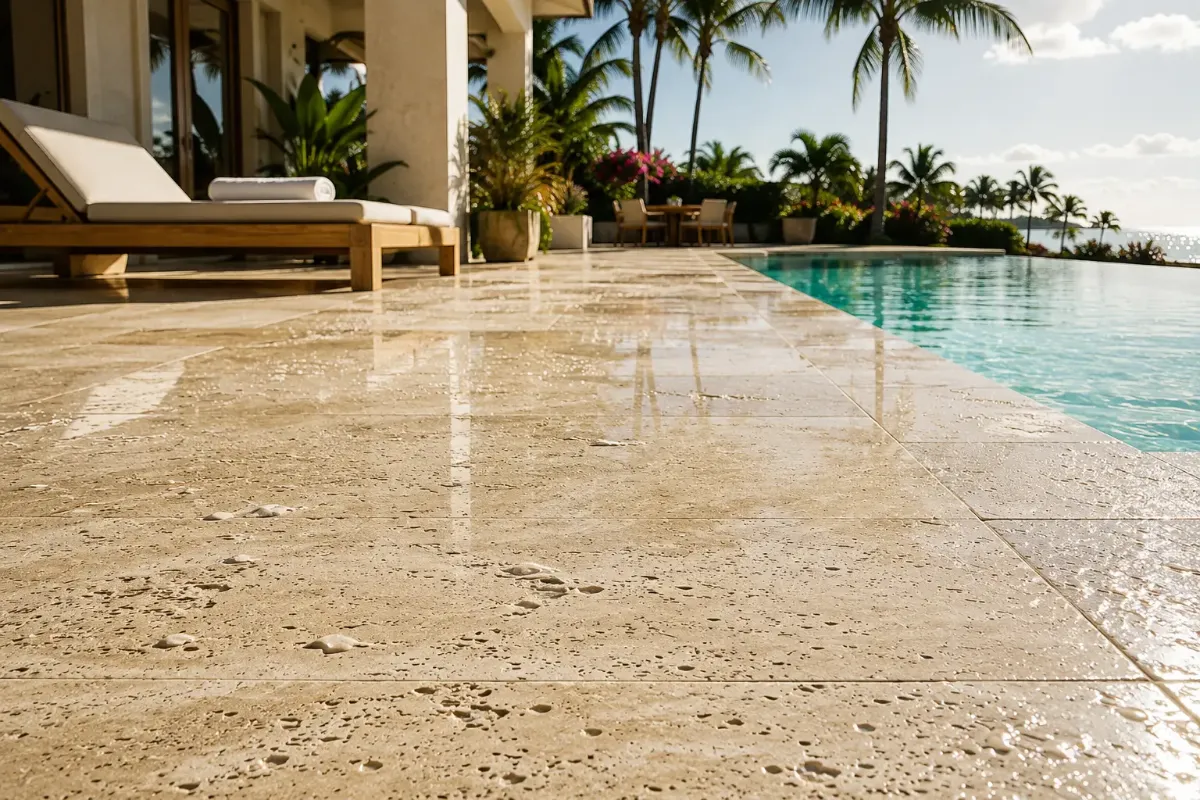
Few materials can match travertine's performance in outdoor environments. Its remarkable slip resistance, even when wet, makes it an ideal choice for travertine pavers around swimming pools, patios, and garden walkways. Unlike concrete or ceramic tiles that can become dangerously slick, travertine's naturally textured surface provides secure footing. Additionally, the stone remains cool underfoot even in direct sunlight, unlike darker materials that absorb and retain uncomfortable heat. Its frost resistance and durability ensure that outdoor installations maintain their beauty through freeze-thaw cycles and harsh weather conditions.
Fireplace Surrounds and Feature Walls
As a focal point in any room, travertine brings unmatched warmth and sophistication to fireplace surrounds. The stone's natural heat resistance and ability to retain warmth make it both safe and efficient. Designers often choose tumbled travertine for these applications to achieve a rustic, time-worn character, while honed travertine offers a more refined, contemporary aesthetic. Feature walls clad in travertine create dramatic visual impact in lobbies, restaurants, and luxury residences, turning ordinary spaces into unforgettable experiences.
[لینک نکات اجرایی و نصب سنگ تراورتن]
Technical Engineering Analysis: Precision Data for Architects and Structural Engineers
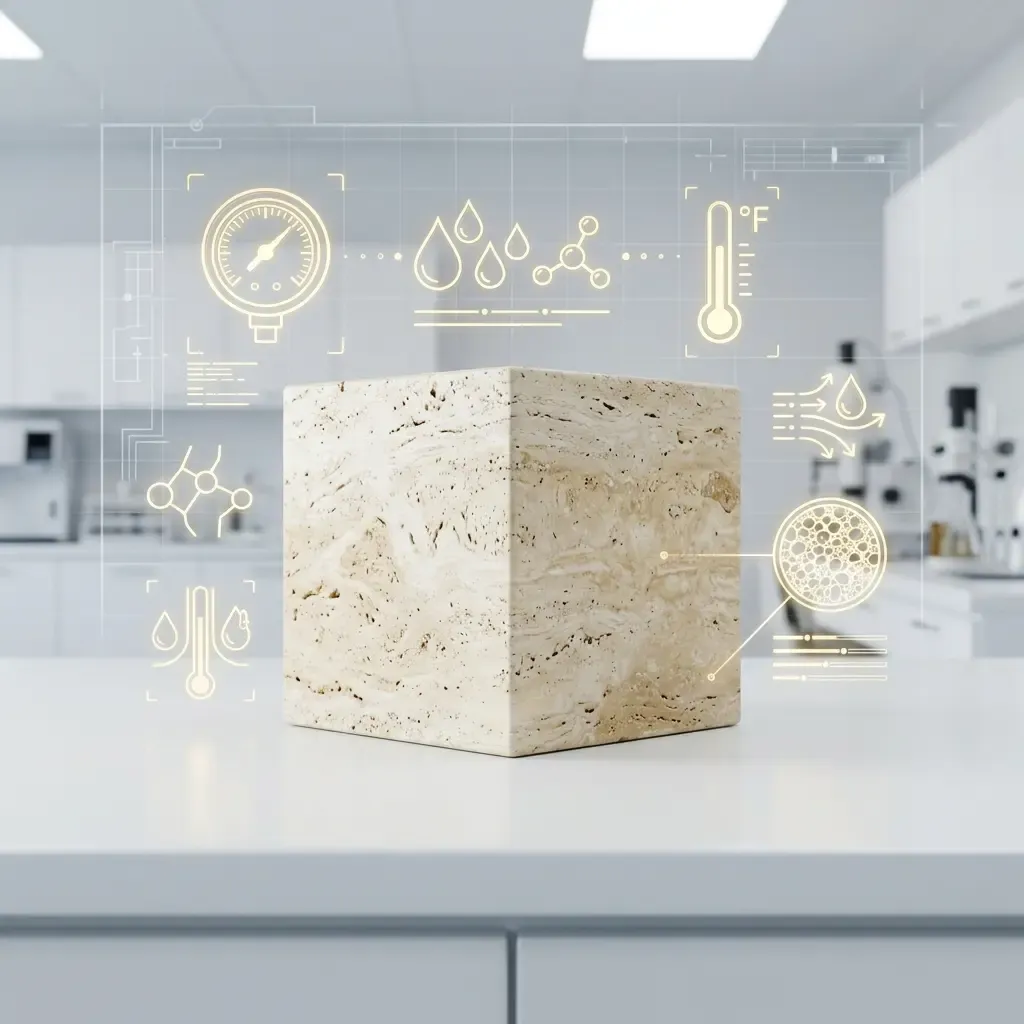
Moving beyond aesthetics, the true value of travertine in demanding construction projects lies in its quantifiable physical and mechanical properties. The following table presents verified technical specifications derived from standardized testing procedures (ASTM C97, C170, C140, and C1028). These values represent average ranges for commercially available travertine from major quarries in Iran, Turkey, and Italy. All values are reported in accordance with international building codes and provide essential data for structural calculations, material selection, and long-term performance forecasting.
| Property | Test Method | Typical Value Range | Engineering Significance |
|---|---|---|---|
| Dry Compressive Strength | ASTM C170 | 55 - 85 MPa | Indicates load-bearing capacity; suitable for high-traffic commercial flooring and structural cladding. |
| Flexural Strength (Modulus of Rupture) | ASTM C99 | 6.5 - 9.2 MPa | Critical for thin veneer panels and cantilevered applications; higher values indicate better resistance to cracking. |
| Bulk Density (Specific Gravity) | ASTM C97 | 2.50 - 2.75 g/cm3 | Determines material weight for structural calculations; lower density reduces dead load on supporting structures. |
| Water Absorption (by weight) | ASTM C97 | 1.5 - 6.0% | Affects stain resistance and freeze-thaw durability; lower absorption (<3%) preferred for exterior use in cold climates. |
| Apparent Porosity | ASTM C97 | 4.0 - 12.0% | Influences sealer penetration and vapor permeability; higher porosity enhances acoustic absorption but requires regular maintenance. |
| Dry Modulus of Elasticity (E-value) | ASTM C1352 | 25 - 40 GPa | Measures stiffness under load; essential for deflection calculations in large-span curtain wall systems. |
| Slip Resistance (COF - Dry) | ASTM C1028 | 0.70 - 0.85 | Exceeds standard safety requirements (≥ 0.60); natural texture provides superior traction even without surface treatment. |
| Slip Resistance (COF - Wet) | ASTM C1028 | 0.55 - 0.70 | Maintains safe traction in wet conditions, making travertine ideal for pool decks and bathroom flooring. |
| Thermal Conductivity (k-value) | ASTM C177 | 1.8 - 2.4 W/(m·K) | Natural thermal insulation property; moderates indoor temperature fluctuations and reduces energy loads. |
| Linear Thermal Expansion Coefficient | ASTM E831 | 4.5 × 10⁻⁶ /°C | Critical for expansion joint spacing in large installations; low expansion minimizes thermal stress cracking. |
| Frost Resistance (Freeze-Thaw Cycles) | ASTM C67 | > 100 cycles | Withstands extreme winter conditions without significant degradation when properly sealed. |
| Abrasion Resistance (HAZ - Height of Abrasion Zone) | ASTM C241 | 15 - 25 mm | Measures surface durability under foot traffic; lower values indicate better wear resistance for high-traffic commercial spaces. |
| Salt Crystallization Resistance | EN 12370 | > 30 cycles | Essential for coastal installations where salt spray exposure is a concern. |
Engineering Commentary: The data above demonstrates that travertine occupies a sweet spot between lightweight aesthetic stones (like some limestone varieties) and heavier, denser stones like granite. With a compressive strength consistently above 55 MPa, travertine comfortably exceeds minimum requirements for most structural applications (≥ 30 MPa per ASTM C616). Its water absorption range, while higher than dense marble (0.2-0.5%), allows for effective breathability—reducing moisture entrapment and associated deterioration in wall systems. However, this porosity demands appropriate sealing protocols, particularly in wet or freeze-prone environments.
[راهنمای انتخاب و خرید سنگ تراورتن]
Advantages and Limitations: A Balanced Perspective on Travertine
Like any natural building material, travertine comes with a distinct set of strengths and weaknesses. Understanding these trade-offs is essential for making informed decisions that align with your project's specific requirements, budget, and maintenance expectations. Below is an objective assessment based on field performance data and industry experience.
Key Advantages
- Exceptional Aesthetic Versatility: Travertine offers an unrivaled palette of natural colors—from creamy ivory and warm honey to rich walnut and charcoal gray. Its distinctive veining and natural pits create visual depth that cannot be replicated by manufactured materials. Available in multiple finishes including polished, honed, tumbled, brushed, and split-face, this stone adapts to virtually any design style from rustic Mediterranean to ultra-modern minimalist.
- Superior Thermal Performance: With a thermal conductivity of 1.8 - 2.4 W/(m·K), travertine provides natural insulation that helps regulate indoor temperatures. This property reduces heating and cooling loads, contributing to energy efficiency and occupant comfort. The stone stays cool underfoot in summer and retains warmth in winter, particularly when used with radiant floor heating systems.
- Excellent Slip Resistance: The naturally textured surface of travertine, particularly in tumbled and brushed finishes, delivers dry and wet COF values of 0.70 - 0.85 and 0.55 - 0.70 respectively. These figures significantly exceed the minimum safety standard of 0.60, making travertine one of the safest natural stone options for wet areas, pool decks, and outdoor pathways.
- Durability and Longevity: With compressive strengths ranging from 55 - 85 MPa and frost resistance exceeding 100 freeze-thaw cycles, properly installed and sealed travertine can last for decades—even centuries—as evidenced by ancient Roman structures still standing today. The stone develops a beautiful patina over time, enhancing its character rather than diminishing its value.
- Cost-Effectiveness: Compared to other premium natural stones like marble or granite, travertine offers a more accessible entry point for luxury aesthetics. Its moderate density (2.50 - 2.75 g/cm3) reduces shipping costs and structural support requirements, while its ease of cutting and installation lowers labor expenses. When factoring in its longevity, travertine represents excellent long-term value.
- Sustainable and Eco-Friendly: As a naturally occurring stone, travertine requires minimal processing compared to manufactured alternatives. Its quarrying produces lower carbon emissions than ceramic tile manufacturing, and the stone is fully recyclable at the end of its useful life. Many quarries now operate with responsible environmental practices, including water recycling and site rehabilitation programs.
Limitations and Considerations
- Porosity and Stain Susceptibility: With water absorption rates of 1.5 - 6.0% and apparent porosity of 4.0 - 12.0%, travertine is inherently more porous than marble or granite. This means it is susceptible to staining from acidic substances (lemon juice, wine, vinegar) and oil-based liquids. High-quality impregnating sealers must be applied during installation and reapplied periodically (every 1 - 3 years depending on traffic and exposure).
- Scratch and Etch Vulnerability: While travertine is durable under compression, its surface hardness (Mohs scale of approximately 3 - 4) is lower than granite (Mohs 6 - 7) and even some engineered stones. This makes it more susceptible to scratching from abrasive materials and etching from acidic cleaners. For high-traffic commercial applications, honed or tumbled finishes are recommended over polished to minimize visible damage.
- Natural Pits and Voids: The characteristic pits and voids that give travertine its organic charm are also potential weak points. These voids can collect dirt and require periodic cleaning. In exterior applications, unfilled voids can harbor moisture that may freeze and expand, potentially causing surface spalling in severe climates. Filled travertine options are available for applications requiring smoother, more uniform surfaces.
- Color Variation and Consistency: As a natural material, travertine exhibits significant color and veining variations between batches and even within the same slab. While many designers celebrate this uniqueness, clients seeking perfectly uniform appearance may find this variability challenging. Pre-slab selection and careful lot matching are essential for large-scale projects requiring visual consistency.
- Weight and Handling Requirements: At 2.50 - 2.75 g/cm3, travertine is considerably heavier than ceramic or porcelain tiles of similar dimensions. This requires robust substrate preparation, appropriate structural support, and specialized handling equipment during installation. Improper installation can lead to tile cracking or delamination over time.
- Maintenance Commitment: Unlike virtually maintenance-free porcelain tiles, travertine demands regular care including sweeping, damp mopping with pH-neutral cleaners, and periodic resealing. Failure to maintain sealing protocols can lead to irreversible staining and degradation, particularly in high-moisture environments like bathrooms and showers.
Comparative Assessment Matrix
| Performance Metric | Travertine | Marble | Granite | Porcelain Tile |
|---|---|---|---|---|
| Compressive Strength (MPa) | 55 - 85 | 70 - 140 | 140 - 250 | 40 - 60 |
| Water Absorption (%) | 1.5 - 6.0 | 0.2 - 0.5 | 0.1 - 0.4 | 0.05 - 0.5 |
| Slip Resistance (Wet COF) | 0.55 - 0.70 | 0.40 - 0.55 | 0.45 - 0.60 | 0.40 - 0.60 |
| Thermal Insulation (W/(m·K)) | 1.8 - 2.4 | 2.8 - 3.2 | 2.8 - 3.5 | 1.5 - 2.0 |
| Maintenance Frequency | Moderate-High | High | Low-Moderate | Very Low |
| Aesthetic Uniqueness | Exceptional | Exceptional | High | Moderate |
Frequently Asked Questions About Travertine Stone
Over years of working with architects, contractors, and homeowners, we have encountered the same practical questions time and again. Below are clear, concise answers to the most common concerns about travertine selection, installation, and maintenance.
Is travertine suitable for outdoor use in cold climates?
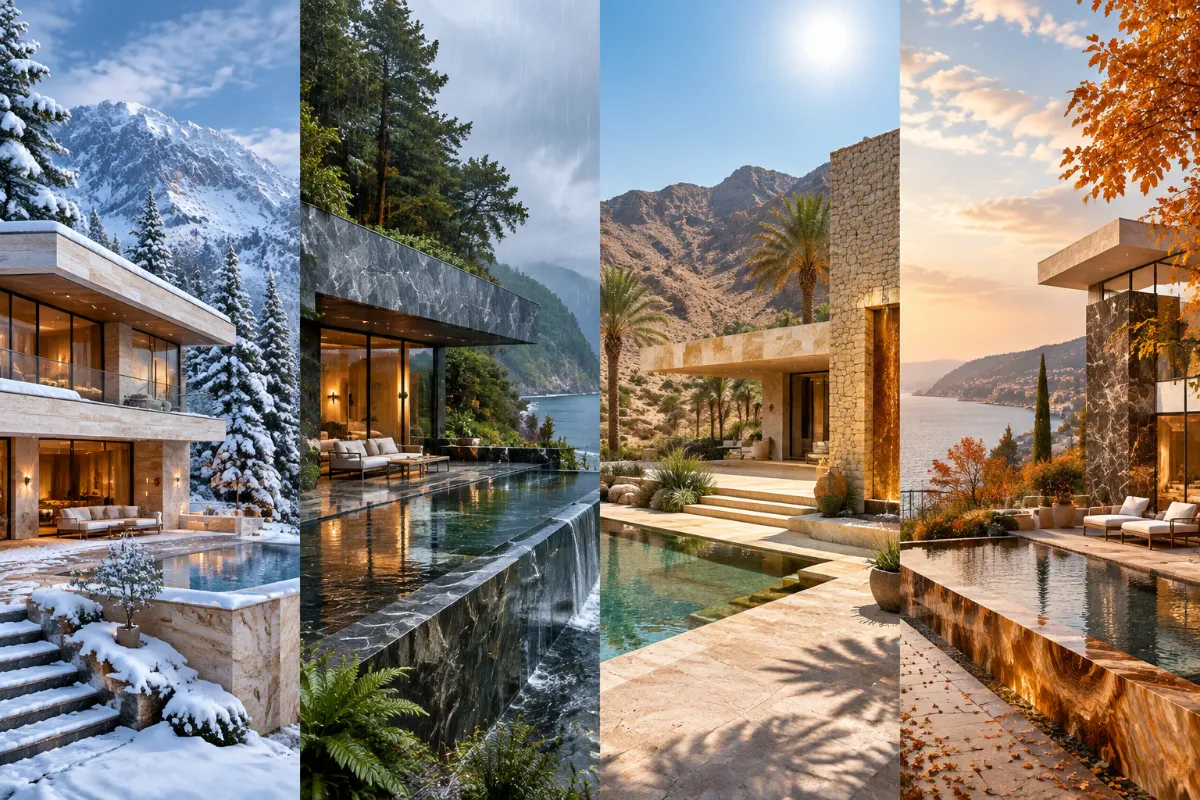
Yes, travertine performs exceptionally well in cold climates when properly specified and installed. With frost resistance exceeding 100 freeze-thaw cycles per ASTM C67, high-density travertine (water absorption below 3%) can withstand harsh winter conditions without cracking. However, critical factors include using a dense, filled grade of travertine, applying a high-quality penetrating sealer, ensuring proper substrate drainage, and maintaining expansion joints at intervals of 3 - 4.5 meters to accommodate thermal movement. For exterior installations in regions with severe freeze-thaw cycles, we recommend consulting with a stone specialist to select the most appropriate material grade.
How often does travertine need to be sealed?
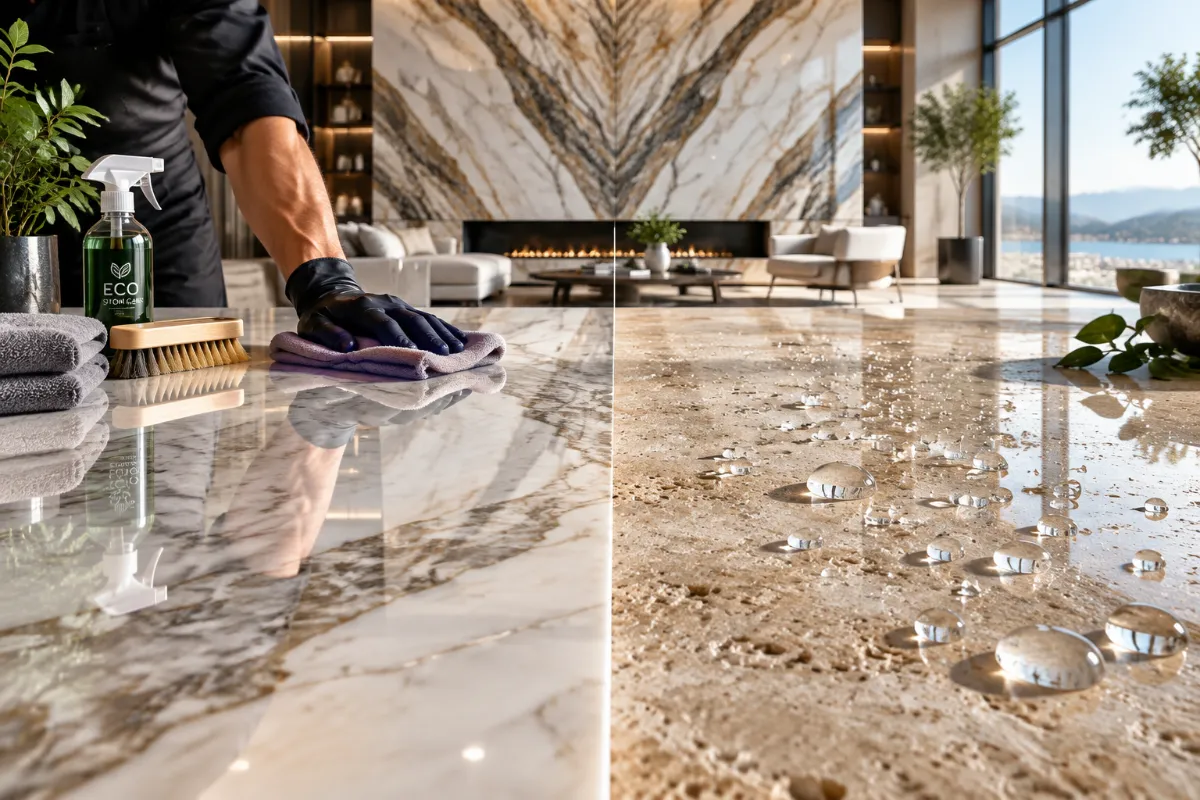
The sealing frequency depends on the stone's location, exposure conditions, and traffic levels. For interior residential floors, a high-quality impregnating sealer typically requires reapplication every 1 - 3 years. In high-moisture areas like showers, pool surrounds, or outdoor patios, more frequent sealing (every 6 - 12 months) is advisable. Kitchen countertops, which face frequent exposure to acidic foods and oils, benefit from sealing every 6 - 12 months as well. A simple water droplet test—where water beads on the surface rather than soaking in within 5 - 10 minutes—can indicate when resealing is necessary. Always use pH-neutral, stone-safe cleaners to extend the life of your sealer.
Can travertine be used for kitchen countertops?
Yes, but with important caveats. Travertine can create stunning, warm kitchen countertops with distinctive character. However, its lower hardness (Mohs 3 - 4) and higher porosity (1.5 - 6.0% water absorption) make it more vulnerable to scratching, etching from acidic foods (lemon, tomato, vinegar), and staining from oils and wine. If you choose travertine for kitchen surfaces, we strongly recommend a honed or brushed finish (rather than polished) to minimize visible etches, along with a high-performance impregnating sealer and routine resealing. Many homeowners opt for travertine on kitchen islands or breakfast bars where aesthetic impact is paramount, while using more durable materials like granite or quartz for high-use prep areas. For families with young children or high-frequency cooking, alternative stone choices may be more practical.
What is the difference between tumbled, honed, and polished travertine?
These three finishes dramatically affect both appearance and functionality:
- Tumbled Travertine: Produced by tumbling stone tiles with abrasive materials to create a worn, antiqued appearance with soft, rounded edges and a naturally textured surface. This finish offers the highest slip resistance (wet COF 0.65 - 0.75) and best hides scratches and etches, making it ideal for rustic designs, outdoor patios, and pool decks. The textured surface does collect more dirt and requires slightly more cleaning effort.
- Honed Travertine: Ground to a smooth, matte, satin-like finish without polishing. This is the most popular choice for contemporary interiors, offering a balance between elegance and practicality. Honed surfaces provide good slip resistance (wet COF 0.55 - 0.65), hide minor scratches better than polished finishes, and work beautifully for floors, wall cladding, and fireplace surrounds in both residential and commercial spaces.
- Polished Travertine: Buffed to a glossy, mirror-like sheen that enhances the stone's color and veining for maximum visual impact. This finish is the most stain-resistant due to its densified surface but offers the lowest slip resistance (wet COF 0.45 - 0.55) and shows scratches and etches most prominently. Polished travertine is best reserved for low-traffic interior walls, bathroom vanities, and formal feature areas where aesthetics outweigh durability concerns.
[نکات نگهداری و تمیزکاری سنگ تراورتن]

💬 Comments & Reviews (0)
No comments yet. Be the first! 😊
✍️ Leave a Comment