Anari Grain Granite: Technical Overview and Applications
Anari Grain Granite is a coarse-grained igneous natural stone quarried in Birjand, South Khorasan, Iran. This Iranian granite is distinguished by its ...
Where to use Anari Grain Granite: Technical Overview and Applications
Anari Grain Granite: Technical Overview and Applications
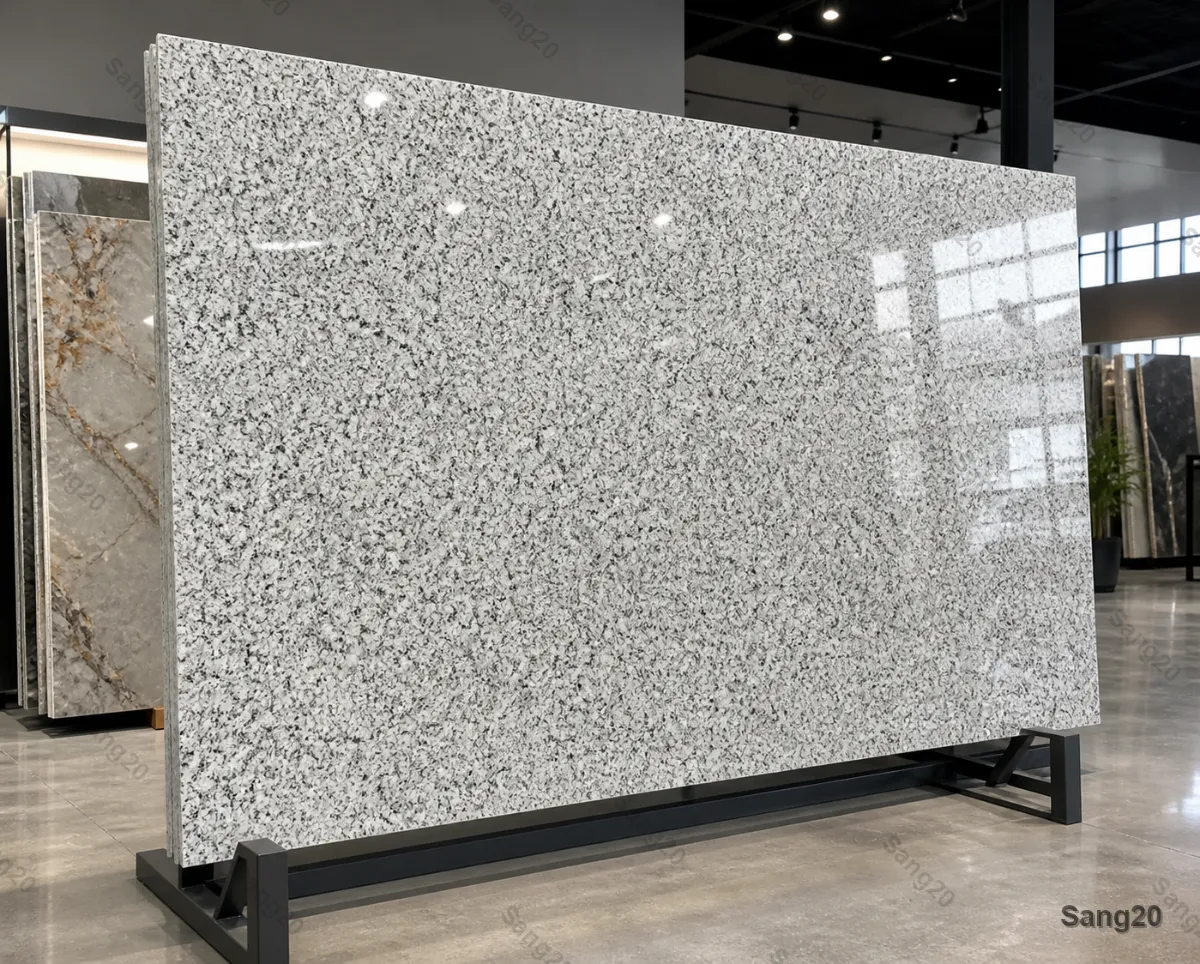
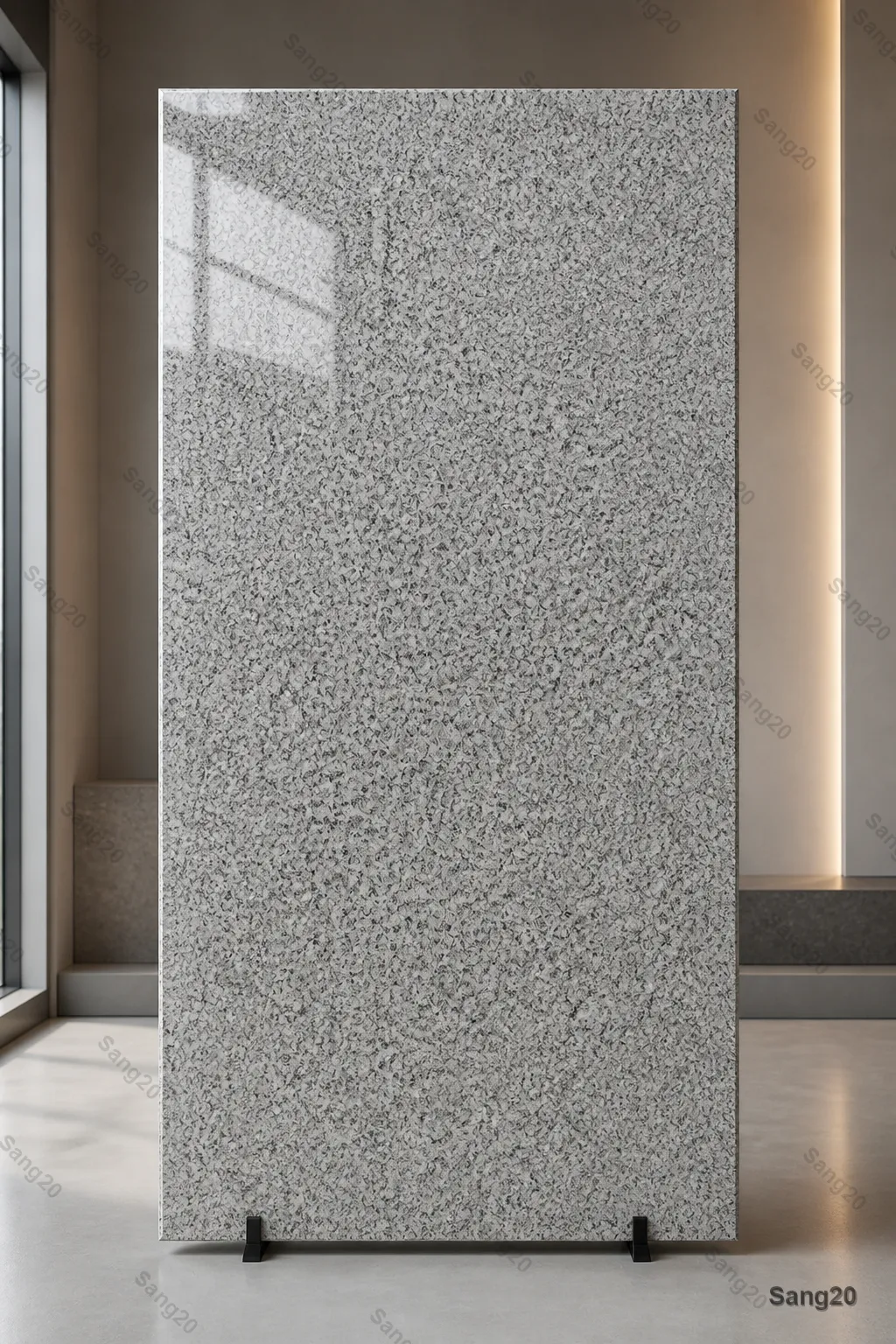
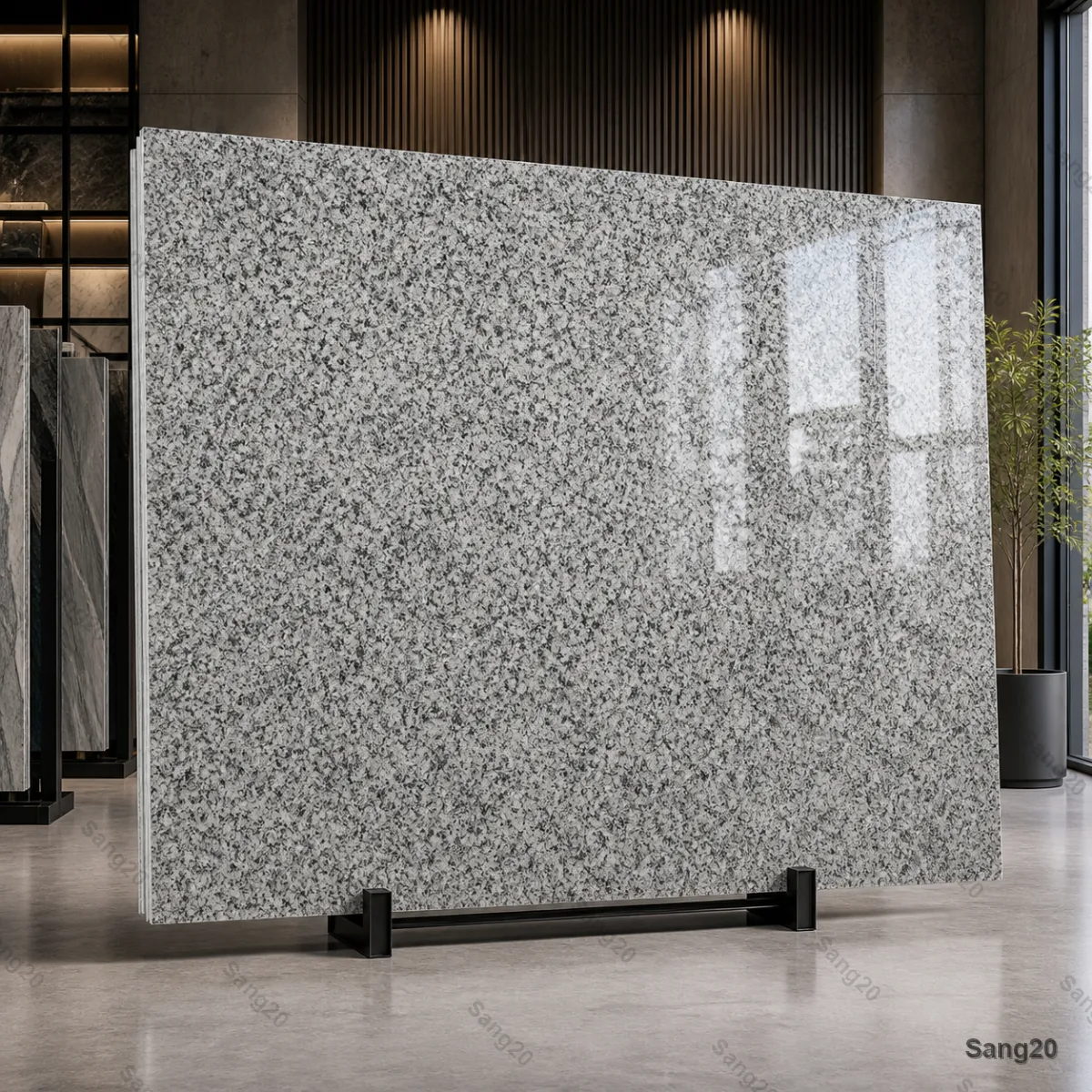
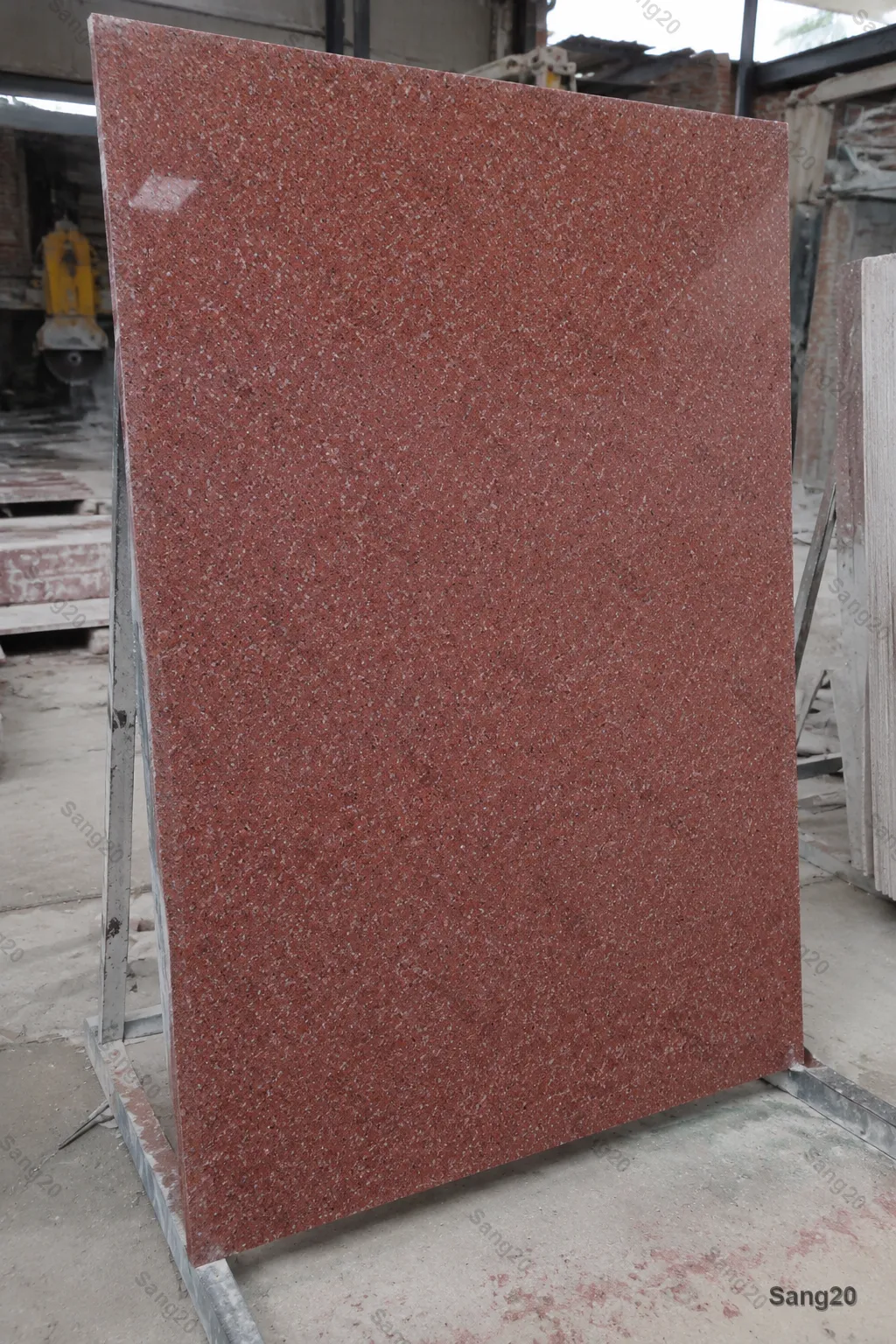
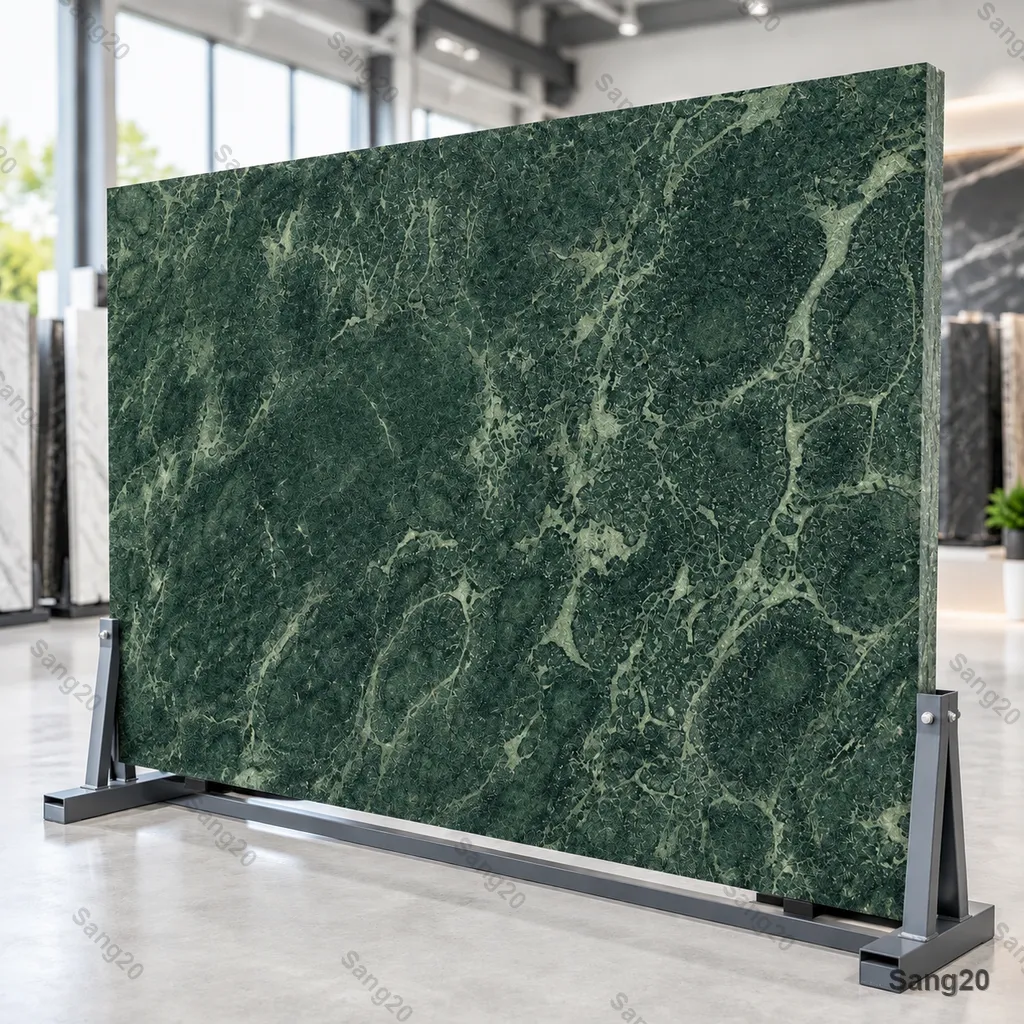
Anari Grain Granite is a distinctive natural stone quarried in the Birjand and Darmian region of South Khorasan Province, Iran. This Iranian granite is recognized by its dark olive-green to deep green background, interspersed with small burgundy-to-black crystalline grains that resemble pomegranate seeds, giving the stone its characteristic name.
Key Technical Characteristics
The stone exhibits a medium to coarse-grained igneous structure with high density and extremely low, near-zero open porosity characteristic of dense igneous granites. Technical data indicates water absorption of approximately 0.02% to 0.4% (very low), making it highly resistant to moisture penetration and suitable for wet environments. The compressive strength is reported at approximately 2,250 kg/cm², providing reliable performance under heavy loads and high-traffic conditions.
In terms of finish options, Anari Grain Granite is commonly processed into polished, leathered, honed, and flamed surfaces. Polished finishes enhance the depth of the green groundmass and the contrast of the red grains, while leathered and flamed finishes provide a more tactile, matte surface suited to exterior applications where slip resistance is a consideration. Processing is typically carried out as cut, calibrated, and polished work, and the stone is supplied in 2 cm and 3 cm thicknesses, with available dimensional formats including tile, slab, longitudinal cut-to-size, stair treads, facade pieces, and flagstone patterns.
Architectural Applications
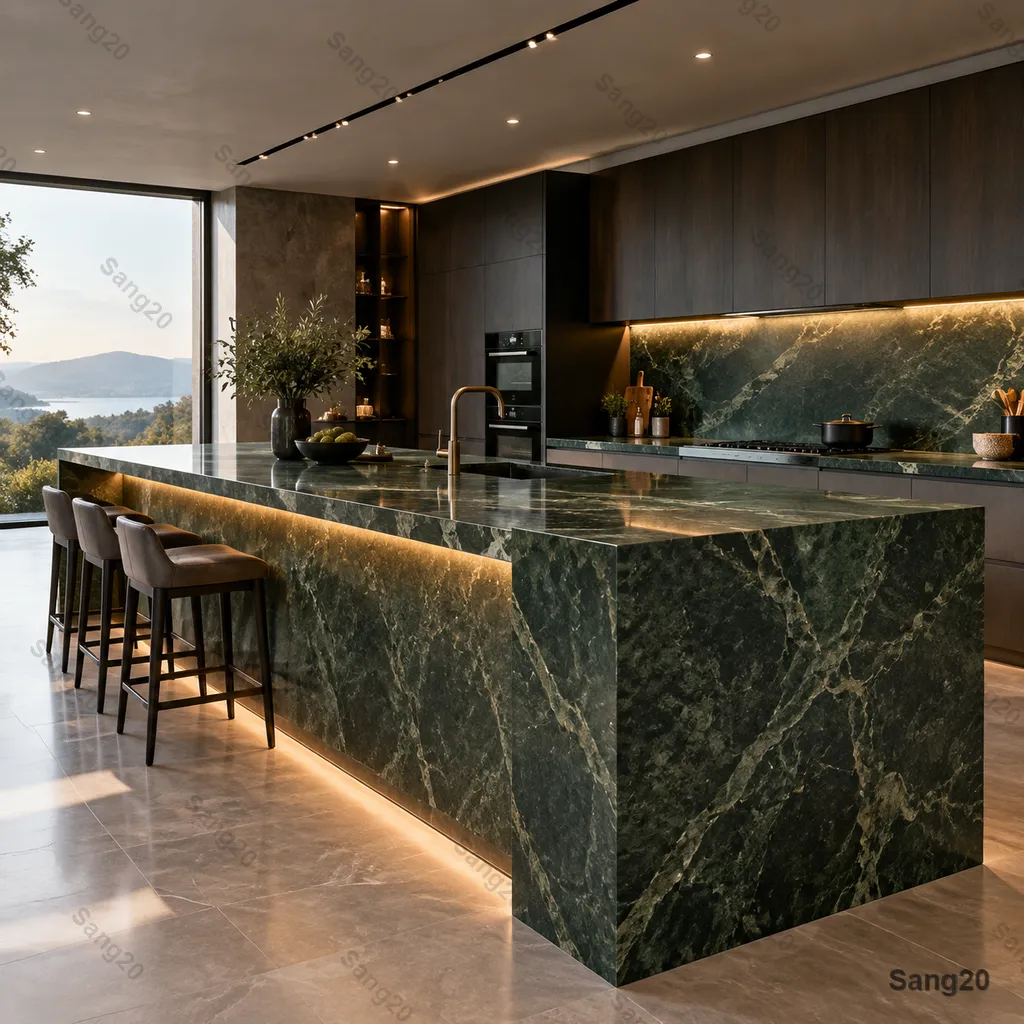
Due to its dense structure and low water absorption, Anari Grain Granite is used across a wide range of interior and exterior applications. Common uses include flooring in lobbies, commercial spaces, parking areas, and other high-traffic areas, as well as wall cladding, stair treads, kitchen countertops, and bathroom surfaces. For exterior applications, the flamed and leathered finishes offer enhanced slip resistance and weather durability, making the stone suitable for facades, paving, and landscape elements.
Technical Specifications of Anari Grain Granite
The specifications below are taken as-is from the data registered for this product on our site; for project-critical items, ask for supplementary details when requesting a quote.
| Property | Value |
|---|---|
| Stone type | Granite |
| Quarry / origin | خراسان جنوبی, بیرجند (درمیان) |
| Texture | Granular |
| Suitable space | Indoor & Outdoor |
| Colors | Green, Red |
| Applications | Modern Facade Stone, Interior Facade Stone, Building Exterior Facade Stone, Wall Stone (Partition or Interior Facade), Parking Floor Stone, Office & Commercial Flooring Stone, Home Flooring Stone, Yard Floor Stone, General Flooring Stone, Elevator Cabin Floor Stone, Slab Stone, Cabinet Stone, Bathroom Stone, Stair Stone, Main Building Facade, Modern Minimalist Facade with Light Stone, Interior Lobby & Common Area Walls, Staircase Walls or Decorative Spaces |
| Finish type | Polished, Leathered, Honed, Flamed |
| Processing type | Cut, Calibrated, Polished |
| Grades | Grade 1, Grade 2, Super, Commercial |
| Thicknesses | 2 cm, 3 cm |
| Dimensions | تایل, اسلب, طولی, پله, نما, فرشی |
| Water absorption | Very Low - Approx. 0.02 to 0.4% |
| Compressive strength | Approx. 2250 kg/cm² (≈ 220 MPa) |
| Abrasion resistance | High - Suitable for High-Traffic Flooring |
| Porosity | Very Low - Near Zero |
Comparing Anari Grain Granite with Similar Products
This comparison table helps contractors, architects, and project owners evaluate technical specifications, applications, and physical properties across similar granite options to select the most suitable stone for their project.
| Feature | Anari Grain Granite | Infinity Gold Granite | Titanium Granite Brazil | Delicate Granite Stone | Birjand Granite Stone |
|---|---|---|---|---|---|
| Stone Type | Granite | Granite | Granite | Granite | Granite |
| Quarry / Origin | خراسان جنوبی, بیرجند (درمیان) | نهبندان, خراسان جنوبی | ریو گرانده دو نورته, برزیل | بیرجند, خراسان جنوبی | شهرستان بیرجند, استان خراسان جنوبی |
| Texture | Granular | Veined | Granular | Granular & Veined | Veined |
| Suitable Space | Indoor & Outdoor | Indoor | Indoor & Outdoor | Indoor & Outdoor | Indoor & Outdoor |
| Colors | Green, Red | Black, Gold | Black, Gold, Gray, Silver | Green, Dark Green, Jade Green, Turquoise | Green, Gold, Black, Brown, Red |
| Thicknesses | 2 cm, 3 cm | 2 cm | 2 cm, 3 cm, 1.5 cm | 2 cm, 3 cm, 4 cm | 2 cm, 3 cm, 4 cm |
| Water Absorption | Very Low - Approx. 0.02 to 0.4% | 2.46% (Very High - Outside Standard) | 0.17 to 0.29% | Less than 0.5% | 0.01 to 0.3 percent (very low) |
| Compressive Strength | Approx. 2250 kg/cm² (≈ 220 MPa) | Unknown (Probably Low) | 195 to 230 MPa | 130 to 220 MPa | 114 to 340 MPa (varies by species) |
| Abrasion Resistance | High - Suitable for High-Traffic Flooring | Medium to Low (Note: Porous Stone) | High - Suitable for high-traffic floors | Very High - Suitable for High-Traffic Floors | 2.6 to 6 (high - suitable for high-traffic floors) |
| Porosity | Very Low - Near Zero | 5.68% (Very High) | Very Low (Less than 0.5%) | 0.2 to 0.6% | Near zero to very low |
Which One Should We Choose?
- If high compressive strength and very low water absorption for heavy-traffic outdoor flooring or parking lots are important, Anari Grain Granite is more suitable, though natural variations in red and green hues and mineral streaks require careful batch inspection prior to loading.
- If an indoor decorative statement piece with a dramatic veined texture is required, Infinity Gold Granite is more suitable, keeping in mind that its higher water absorption and porosity limit its use to indoor spaces away from constant moisture.
- If a high-end imported granite with diverse black, gold, and silver tones for luxury interior and exterior applications is important, Titanium Granite Brazil is more suitable, while acknowledging that import logistics and material costs are higher.
- If a local green-spectrum granite with book-match capability and up to 4 cm thickness options is needed, Delicate Granite Stone is more suitable, though its slightly wider porosity range requires checking specific finish types for exterior exposure.
- If maximum versatility across classical and modern facades, columns, and heavy-traffic flooring with diverse color choices is important, Birjand Granite Stone is more suitable, noting that mechanical properties vary across different subspecies within the region.
Selection and Installation Considerations
When specifying Anari Grain Granite, attention should be paid to batch consistency, as the density and distribution of red grains can vary between extraction lots. Due to its high specific weight, the stone requires precise substrate preparation and appropriate adhesive systems during installation. In ventilated facade systems, proper anchoring and detailing are essential to ensure long-term stability. Polished surfaces in wet areas may benefit from anti-slip treatments to maintain safety without compromising appearance.
For routine care, periodic application of a penetrating sealer is generally recommended for honed and leathered surfaces, which are more open-textured than polished ones, and cleaning with a neutral, non-acidic detergent helps preserve the natural finish.
Anari Grain Granite represents a technically sound and visually distinctive option within the Iranian granite family, suitable for projects that require a combination of durability, low maintenance, and a unique natural character grounded in the mineral heritage of South Khorasan.
Summary and Key Characteristics
Anari Grain Granite, quarried in the Birjand and Darmian region of South Khorasan Province, Iran, features a deep green background accented by distinctive pomegranate-seed-like red grains. Known for its extremely low open porosity characteristic of dense igneous granites and high compressive strength, this stone is an exceptional choice for modern facades, heavy-traffic flooring, and architectural wall cladding.
| Stone Type | Granite |
| Suitable for | Indoor & Outdoor |
| Texture | Granular |
| Mine | South Khorasan, Birjand (Darmian) |
| Colors | Green، Red |
| Qualities | Grade 1، Grade 2، Super، Commercial |
| Thicknesses | 2 cm، 3 cm |
| Compressive | Approx. 2250 kg/cm² (≈ 220 MPa) |
| Abrasion | High - Suitable for High-Traffic Flooring |
| Water Abs. | Very Low - Approx. 0.02 to 0.4% |
| Porosity | Very Low - Near Zero |
Where is Anari Grain Granite quarried and what gives it its characteristic look?
This natural stone is quarried in the Birjand region of South Khorasan Province, Iran, specifically Darmian. It features a dark olive-green to deep green groundmass embedded with crystalline grains resembling pomegranate seeds, which gives the granite its distinctive name.
What are the technical water absorption and compressive strength ratings for Anari Grain Granite?
Anari Grain Granite demonstrates high physical durability with water absorption of approximately 0.02% and a compressive strength of around 2,250 kg/cm². These values confirm near-zero porosity and dependable structural capacity under heavy architectural loads.
Which surface finish works best for exterior paving or wet architectural areas?
Flamed and leathered finishes are recommended for exterior paving, facades, and wet conditions. They deliver tactile, matte surfaces that enhance slip resistance and weather durability compared to polished processing.
How does Anari Grain Granite differ visually from Birjand Jungle Green Granite?
Anari Grain Granite displays discrete red crystalline grains over a dark green groundmass for a uniform pattern, whereas Birjand Jungle Green features interwoven light green, lemon, or white veining with organic movement.
What structural precautions are required when installing Anari Grain Granite on facades?
Because of the granite's high specific weight, installers must prepare substrates carefully, utilize suitable adhesive systems, and implement proper mechanical anchoring in ventilated facade assemblies to ensure structural stability.