Limestone
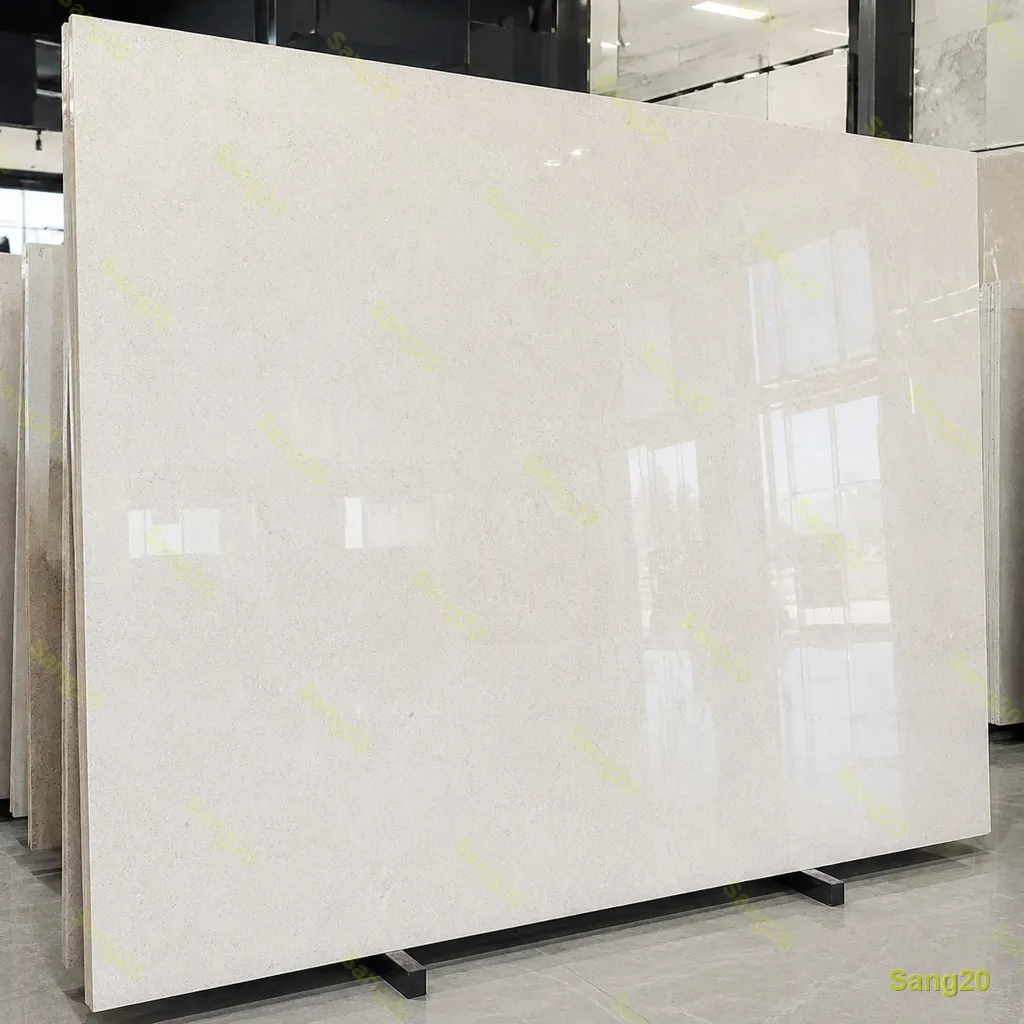
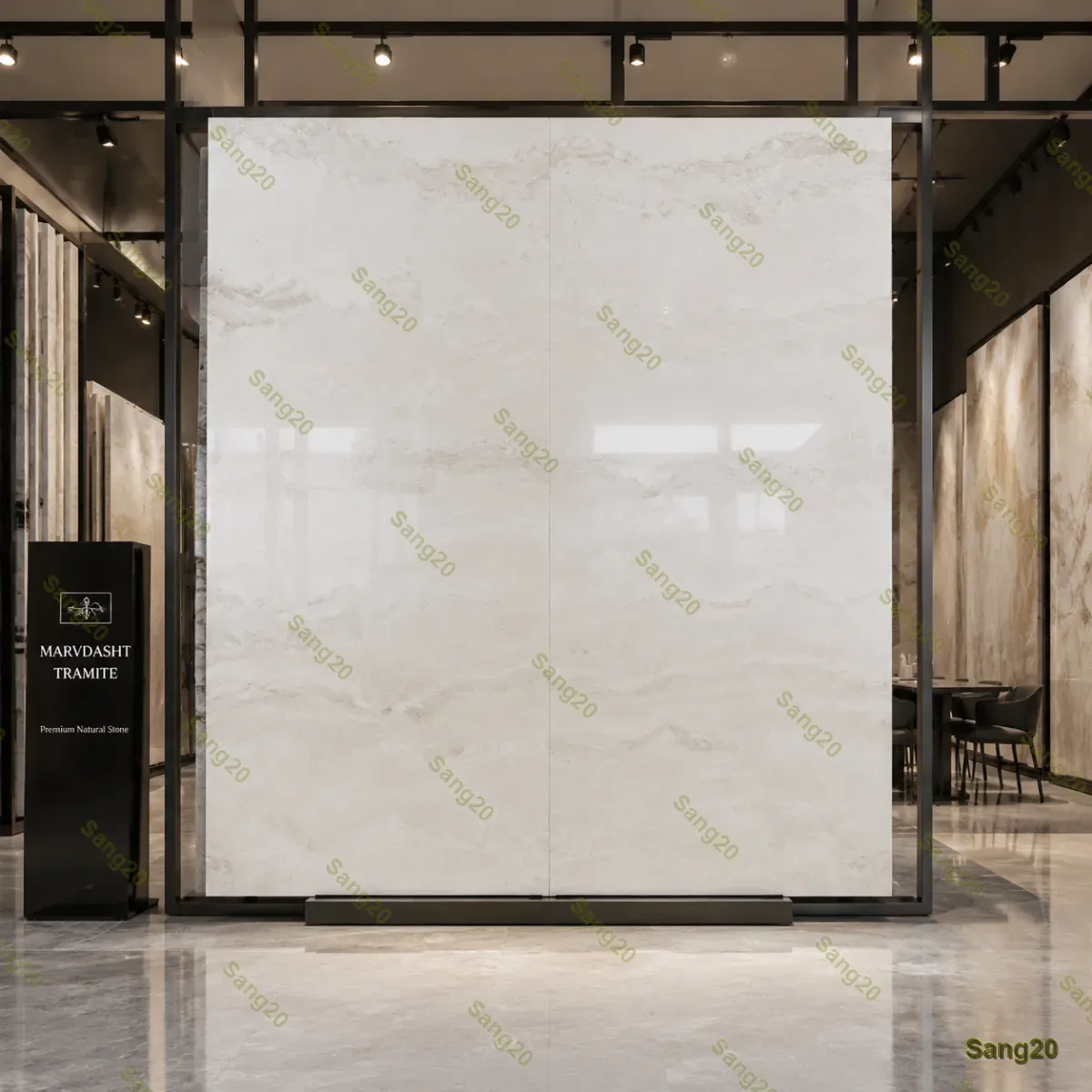
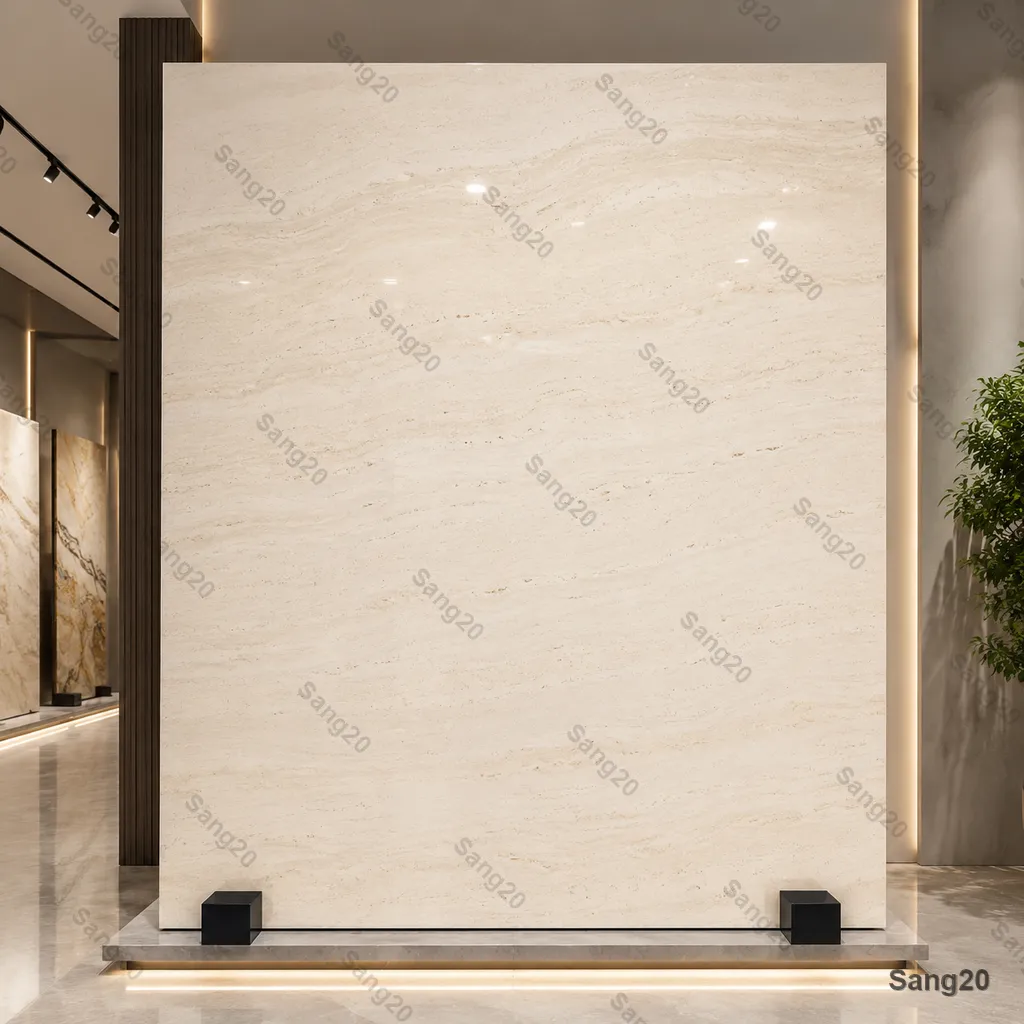
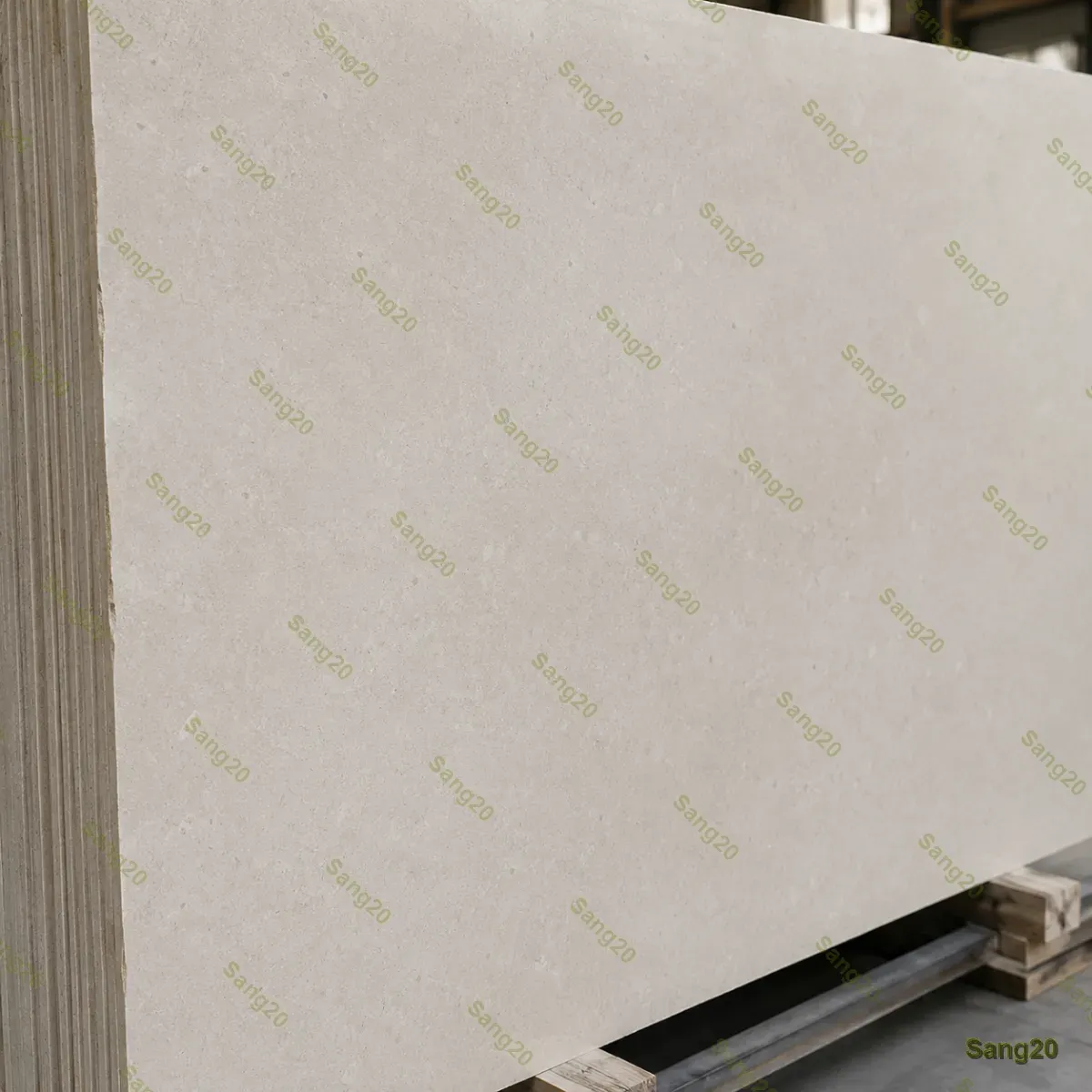
Iranian Limestone, quarried from premium mines in Isfahan and Kordestan, is a versatile sedimentary stone prized for its subtle cream and beige tones ...
Where to use Limestone
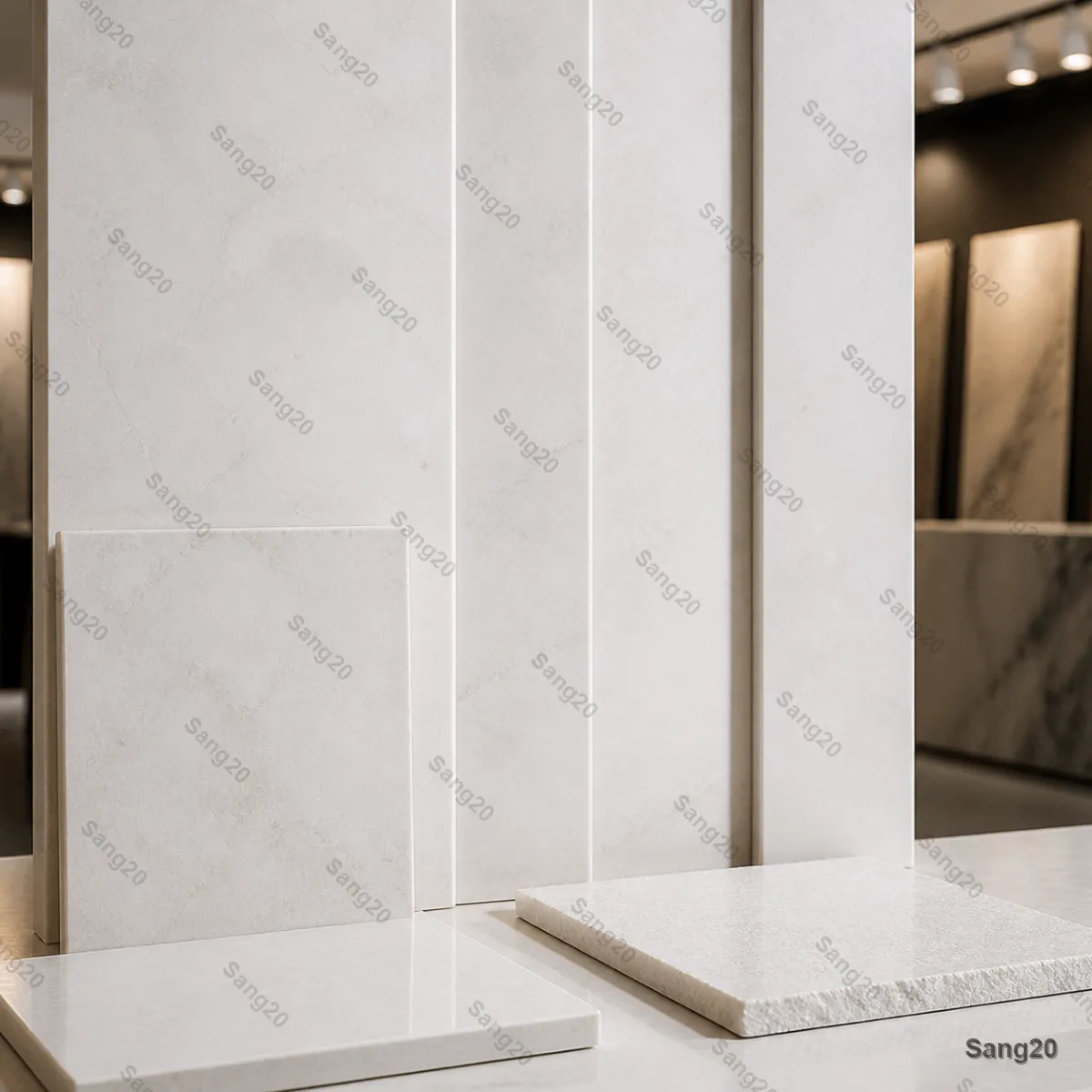
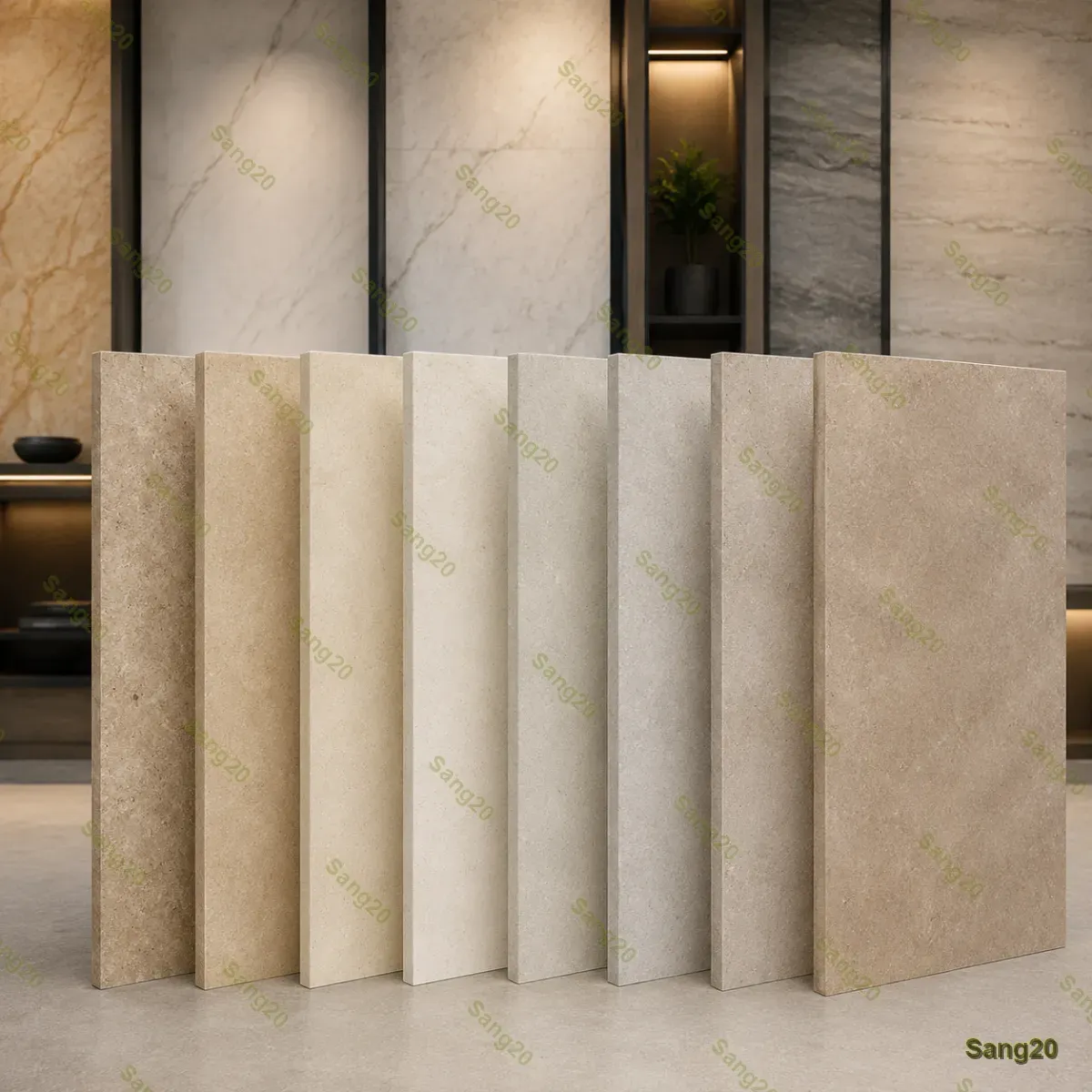
Iranian Limestone, quarried from premium deposits in Isfahan and Kordestan, is a sedimentary stone prized for its subtle cream and beige tones and consistent, fine-grained texture. With a Mohs hardness of 3-4 and density ranging from 2.5-2.7 g/cm³, it offers good workability while maintaining structural integrity for various architectural applications. Available in finishes including polished, honed, brushed, and sandblasted, this natural stone adapts to both contemporary and classical design languages. Its density and absorption characteristics vary by grade, making selection of higher-density material critical for wet environments or freeze-thaw conditions.
Technical Specifications of Limestone
The specifications below are extracted from the technical data sheets for this product. For project-critical requirements, please request a formal quote to receive verified laboratory test reports.
| Property | Value |
|---|---|
| Stone type | Tramite Stone |
| Quarry / origin | Isfahan, Iran, کردستان, آذربایجان شرقی |
| Texture | Uniform |
| Suitable space | Indoor & Outdoor |
| Colors | Cream, Beige, White, Gold, Gray |
| Applications | Modern Facade Stone, Roman Facade Stone, Interior Facade Stone, Building Exterior Facade Stone, Wall Stone (Partition or Interior Facade), Office & Commercial Flooring Stone, Home Flooring Stone, General Flooring Stone, Slab Stone, Cabinet Stone, Bathroom Stone, Stair Stone, Main Building Facade, Roman & Classic Facades, Modern Minimalist Facade with Light Stone, Window Frames, Columns & Capitals, Facade Stone Tools, Interior Lobby & Common Area Walls, Staircase Walls or Decorative Spaces |
| Finish type | Polished, Leathered, Honed, Natural, Sandblasted |
| Processing type | Cut, Calibrated, Polished, Resin Treated, Epoxy Treated |
| Grades | Super, Grade 1, Grade 2, Commercial |
| Thicknesses | 2 cm, 3 cm, 4 cm |
| Dimensions | تایل: تایل, اسلب: اسلب, پله: پله, نما: نما |
| Water absorption | 0.21% to 14.7% (varies by porosity) |
| Compressive strength | 19 to 59+ MPa (varies by type) |
| Abrasion resistance | Medium to Good (with proper treatment) |
| Porosity | Less than 1% to over 17% |
Comparing Limestone with Travertine
When selecting between Limestone and Travertine, architects should consider the following key differences in physical properties:
| Feature | Limestone | Travertine (e.g., Abbas Abad / Hajiabad) |
|---|---|---|
| Texture | Fine-grained and uniform | Wavy, more pronounced pores |
| Typical Hardness | 3-4 Mohs | 3-4 Mohs |
| Water Absorption | Lower in high-density grades (often < 3%) | Higher (typically varies widely; e.g., 0.3% to 3% for select types) |
| Visual Character | Subtle, consistent, and smoother | Characterized by distinct voids and varied textures |
Distinctive Characteristics of Limestone
This limestone exhibits a wide range of compressive strength, with high-density varieties offering significant structural performance. Depending on the selected grade and porosity, water absorption typically remains low in high-density material, which is a critical factor for selecting stone for freeze-thaw environments or outdoor facades. The stone's uniform, fine-grained texture provides visual consistency across large surface areas, making it ideal for monolithic architectural statements. Its inherent durability is well-documented in sedimentary rock-based architecture. Furthermore, the material can be treated with resin or epoxy to enhance stain resistance, although its natural porosity remains a factor to consider during maintenance.
Pros and Cons
Advantages
- Versatility: Adaptable to both classical and modern architectural styles.
- Workability: Excellent for intricate carving, window frames, and columns.
- Aesthetic: Provides a soft, natural luminosity to interior and exterior spaces.
- Finish Variety: Available in multiple finishes from highly polished to rustic sandblasted.
Disadvantages & Considerations
- Chemical Sensitivity: As a calcium-based stone, it is highly sensitive to acidic cleaners and substances; always use pH-neutral products.
- Porosity: Natural variations in porosity mean that absorption rates can vary, requiring proper sealing for high-moisture areas.
- Stain Risk: Like all natural sedimentary stones, it is susceptible to staining if not maintained or treated correctly.
Comparison: Limestone vs. Travertine
Choosing between limestone and travertine depends on the specific environmental requirements and desired texture of the project:
| Feature | Limestone | Travertine (e.g., Abbas Abad) |
|---|---|---|
| Texture | Fine to medium, more uniform | Wavy, more porous/vuggy |
| Primary Use | Cladding, Flooring, Carving | Facades, Paving, Exterior |
| Water Absorption | Generally lower (more compact) | Higher (due to natural voids) |
| Visual Style | Smooth, solid appearance | Characterized by natural pits/veins |
Architectural Applications
Limestone performs exceptionally in both interior and selected exterior applications, supported by proper finishing and sealing protocols. Primary applications include:
- Internal flooring, wall cladding, and stair treads in residential and commercial projects
- External facade cladding and cavity wall construction when properly detailed with weep systems and joint treatments
- Kitchen countertops and bathroom surfaces with appropriate sealer application
- Pool surrounds and outdoor paving in warmer climates with lighter tones to reduce heat retention
- Columns, fireplaces, and decorative architectural elements requiring detailed carving capability
Comparing Limestone with Similar Stones
To ensure the most durable and aesthetically appropriate selection for your project, it is essential to compare the technical performance of Tramite Limestone against other common travertine varieties. This comparison assists architects and contractors in evaluating density, porosity, and strength across different building environments.
| Feature | Limestone (Tramite Stone) | Abbas Abad Travertine Stone | Hajiabad Travertine Stone | Atashkooh Travertine | Dareh Bokhari Travertine Stone |
|---|---|---|---|---|---|
| Stone Type | Tramite Stone | Travertine | Travertine | Travertine | Travertine |
| Suitable Space | Indoor & Outdoor | Indoor & Outdoor | Indoor & Outdoor | Outdoor | Indoor & Outdoor |
| Main Colors | Cream, Beige, White, Gold, Gray | White, Light Cream, Cream | Light Cream, Bone Cream, Beige Cream | Pearlescent White, Light Cream, Bone | Whitish Cream, Light Cream, Beige |
| Water Absorption | 0.21% to 14.7% | Approx. 0.3% to 0.8% | 1.5% to 3% | Less than 0.3% | 0.22% |
| Compressive Strength | 19 to 59+ MPa | Approx. 100 to 150 MPa | 70 to 120 MPa | 510 to 540 kg/cm² | 1200 kg/cm² |
| Mohs Hardness | 3 to 4 Mohs scale | — | Approx. 3 to 4 Mohs scale | 3.4 Mohs | — |
| Porosity | Less than 1% to over 17% | Approx. 1% to 3% | Approx. 8% to 12% | 5% to 9% | 1.05% |
Which one should you choose?
- For Aesthetic Versatility: If your design requires a wide spectrum of colors (such as gold or gray tones) and can accommodate varying levels of porosity, Limestone is a highly adaptable choice.
- For Structural Load-Bearing: If the project demands higher compressive strength for heavy-duty facades or high-traffic areas, the Travertine varieties like Abbas Abad or Hajiabad are technically superior.
- For Extreme Weather Resistance: For exterior installations subject to high moisture or freeze-thaw cycles, Atashkooh Travertine is recommended due to its exceptionally low water absorption (under 0.3%).
- Critical Note: Always verify the specific grade and density of your selected stone batch, as Limestone's characteristics can vary significantly based on its natural sedimentary structure.
Selection and Installation Considerations
Selecting the appropriate limestone grade is essential for project success. ASTM C568/C568M-22 classifies limestone into low-density, medium-density, and high-density categories, with high-density material recommended for exterior applications and wet environments. For exterior cavity wall construction, proper detailing with weeps and joint treatments that accommodate thermal movement ensures long-term durability. Regular sealing every three to five years preserves appearance and stain resistance, while alkaline-based cleaners should be used instead of acidic products that can etch the calcium carbonate surface. For high-traffic or outdoor applications, specifying textured finishes (brushed or sandblasted) improves slip resistance without compromising visual quality.
Professional Summary
Iranian limestone offers architects and designers a balanced combination of refined aesthetics, workability, and proven durability. Its visual uniformity and subtle natural character make it particularly suitable for contemporary projects seeking calm, architectural surfaces, while its historical legacy confirms its capacity for long-term performance when properly specified and maintained. Successful application requires informed selection of density grade and finish matched to project conditions, with regular maintenance ensuring enduring beauty.
Frequently Asked Questions
- Is limestone suitable for outdoor use? Yes, high-density limestone grades are suitable for exterior facades and outdoor applications, provided they are correctly sealed to resist environmental factors.
- How should I clean limestone surfaces? We recommend using pH-neutral, alkaline-based cleaners. Avoid acidic substances (like vinegar or lemon) as they can etch and damage the stone surface.
- Will the color of the limestone change over time? While the natural stone is stable, its appearance can be affected by environmental exposure; applying a professional-grade sealer can help maintain its original tone and protect against moisture.
| Stone Type | Tramite Stone |
| Suitable for | Indoor & Outdoor |
| Texture | Uniform |
| Mine | Isfahan, Kurdistan, East Azerbaijan |
| Colors | Cream، Beige، White، Gold، Gray |
| Qualities | Super، Grade 1، Grade 2، Commercial |
| Thicknesses | 2 cm، 3 cm، 4 cm |
| Compressive | 19 to 59+ MPa (varies by type) |
| Abrasion | Medium to Good (With Proper Treatment) |
| Water Abs. | 0.21% to 14.7% (varies based on porosity) |
| Porosity | Less than 1% to over 17% |
What are the primary origins and quarry sources of Iranian limestone?
Iranian limestone is quarried from premium deposits in Isfahan, Kordestan, and East Azerbaijan, known for its consistent and fine-grained texture. These deposits yield sedimentary stone prized for subtle cream, beige, white, gold, and grey tones suitable for diverse architectural styles.
How does limestone differ from travertine in architectural appearance and density?
Limestone presents a visually more uniform, smoother, and architecturally cleaner surface with subtle clouding or fossil detail, whereas travertine features visible pits, voids, and tonal movement. Additionally, limestone generally offers superior density and durability compared to travertine.
Which finishes are available for this limestone and how do they affect its application?
This limestone is available in polished, honed, brushed, sandbasted, leather, and natural finishes to adapt to contemporary and classical designs. Specifying textured finishes like brushed or sandbasted improves slip resistance for high-traffic or outdoor applications without compromising visual quality.
What are the compressive strength and water absorption characteristics of this stone?
This limestone exhibits excellent compressive strength ranging from 41 to 59+ MPa in high-density grades, with water absorption varying from 0.21 percent to 14.7 percent depending on porosity and processing. Selecting higher-density material is critical for wet environments or freeze-thaw conditions.