Limestone
Iranian Limestone, quarried from premium mines in Isfahan and Kordestan, is a versatile sedimentary stone prized for its subtle cream and beige tones ...
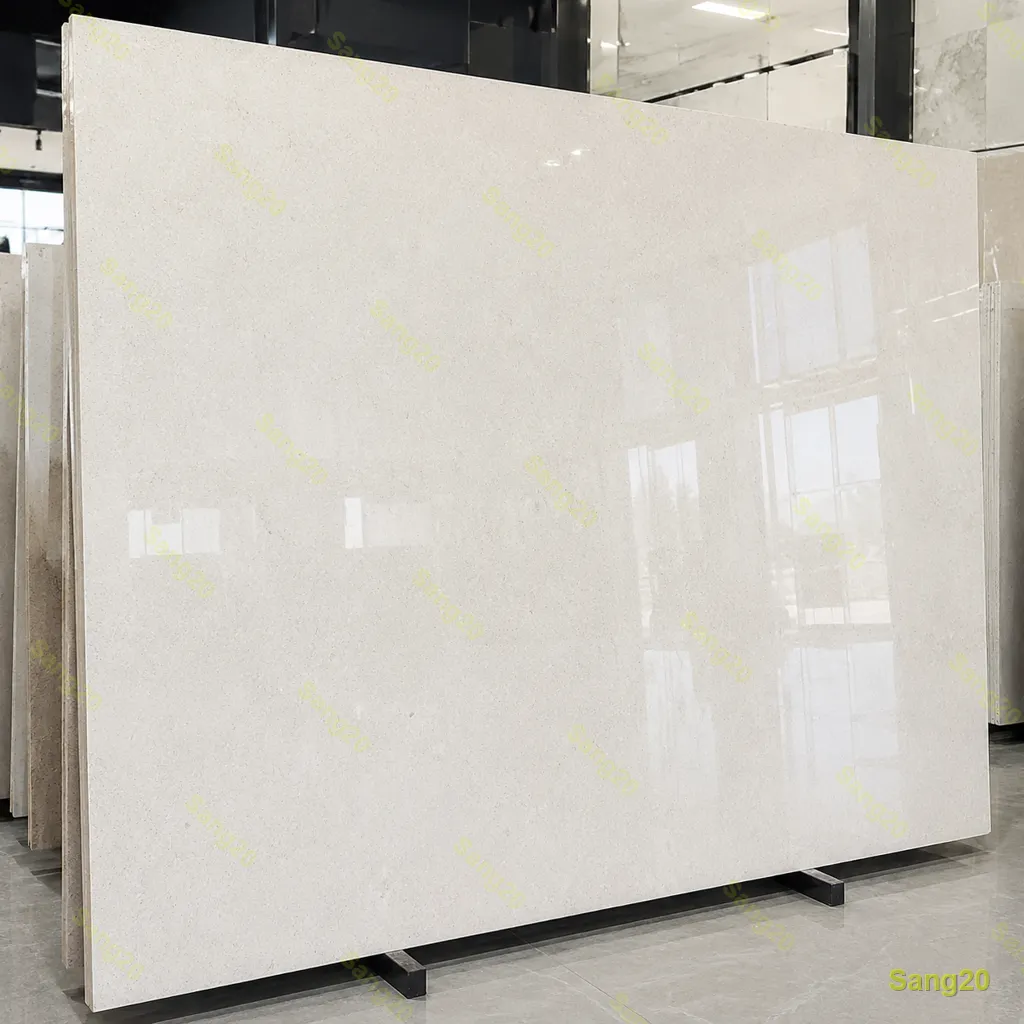
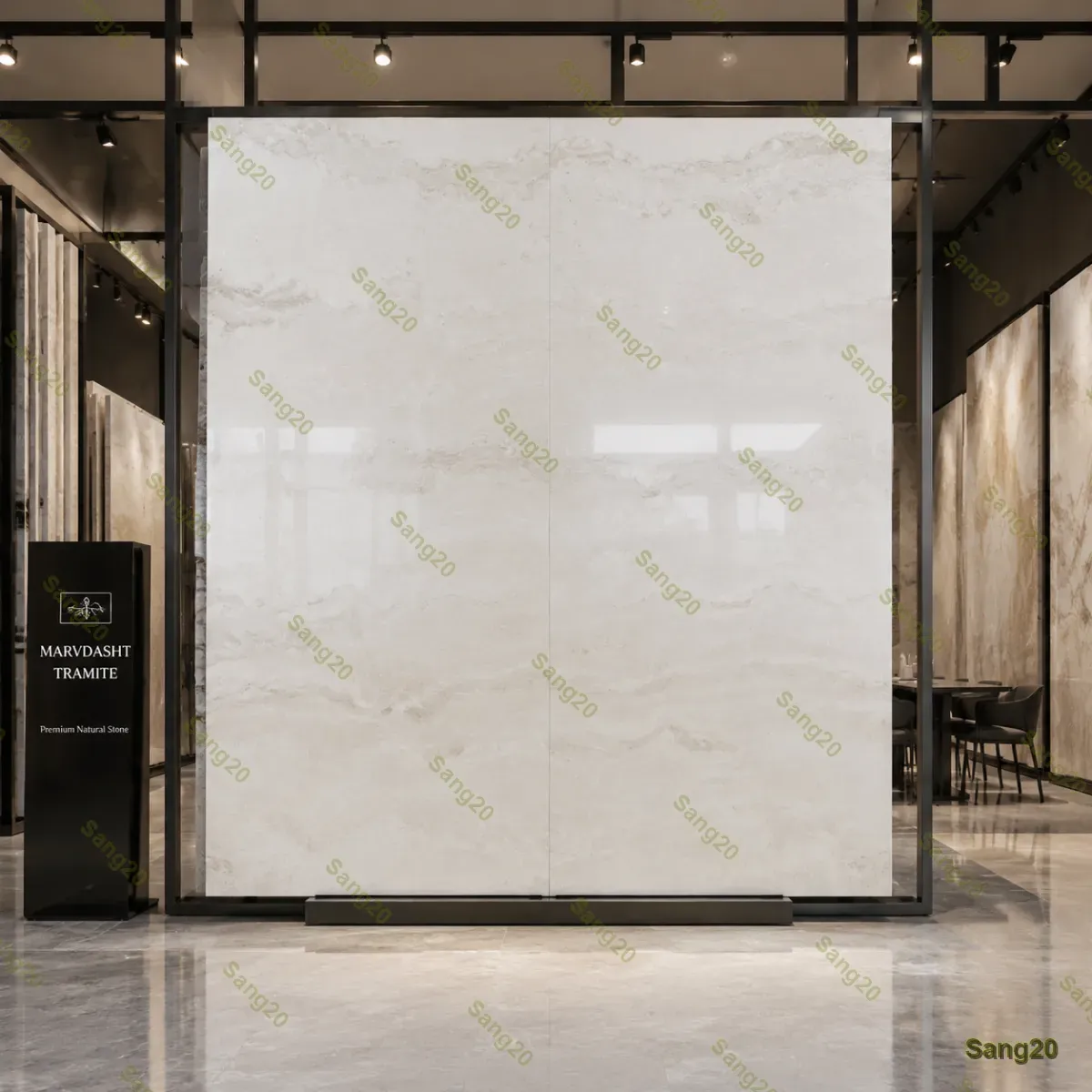
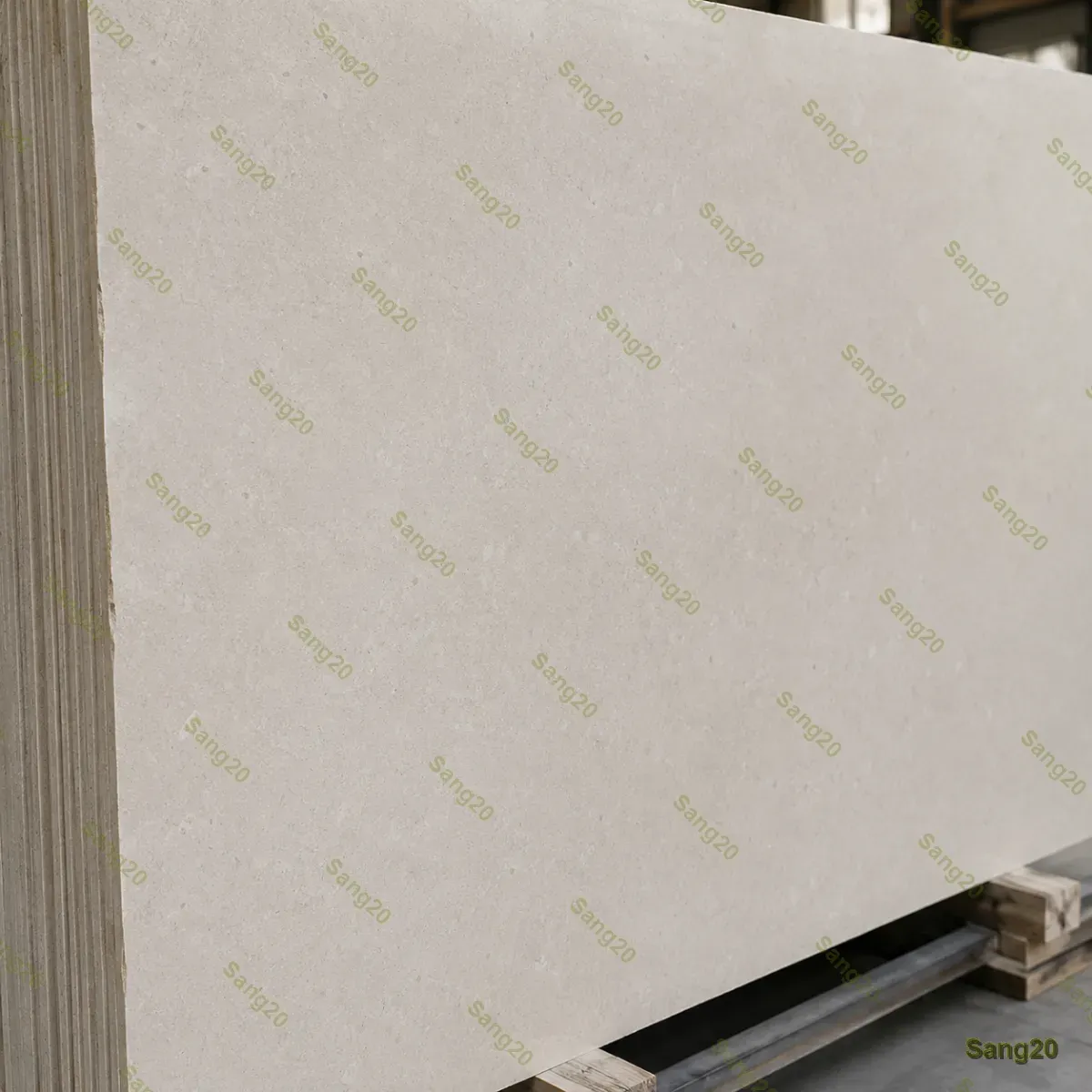
Iranian Limestone, quarried from premium deposits in Isfahan and Kordestan, is a sedimentary stone prized for its subtle cream and beige tones and consistent, fine-grained texture. With a Mohs hardness of 3-4 and density ranging from 2.5-2.7 g/cm³, it offers good workability while maintaining structural integrity for various architectural applications. Available in finishes including polished, honed, brushed, and sandblasted, this natural stone adapts to both contemporary and classical design languages. Its density and absorption characteristics vary by grade, making selection of higher-density material critical for wet environments or freeze-thaw conditions.
Distinctive Characteristics of Limestone
This limestone exhibits excellent compressive strength ranging from 41-59+ MPa in high-density grades, with water absorption varying from 0.21% to 14.7% depending on porosity and processing. The stone's uniform, fine-grained texture provides visual consistency across large surface areas, making it ideal for monolithic architectural statements. Its inherent durability has been demonstrated in centuries-old structures worldwide, from the Great Sphinx to the Lincoln Memorial. The material accepts resin and epoxy treatments that enhance stain resistance without compromising its natural aesthetic, while its light-reflecting properties bring warmth and luminosity to interior spaces.
Architectural Applications
This limestone performs exceptionally in both interior and selected exterior applications, supported by proper finishing and sealing protocols. Primary applications include:
- Internal flooring, wall cladding, and stair treads in residential and commercial projects
- External facade cladding and cavity wall construction when properly detailed with weep systems and joint treatments
- Kitchen countertops and bathroom surfaces with appropriate sealer application
- Pool surrounds and outdoor paving in warmer climates with lighter tones to reduce heat retention
- Columns, fireplaces, and decorative architectural elements requiring detailed carving capability
Comparison with Travertine
Limestone and travertine are closely related sedimentary stones, yet they offer distinctly different architectural characters. Travertine features visible pits, voids, and tonal movement formed by mineral deposits in spring water, giving it a relaxed, Mediterranean feel with layered texture. Limestone presents as visually more uniform, smoother, and architecturally cleaner, with subtle clouding or fossil detail rather than open texture. Travertine typically suits projects seeking warmth and lived-in elegance, while limestone better fits contemporary, minimalist briefs requiring visual consistency and restrained beauty. Limestone generally offers superior density and durability compared to travertine, though travertine often stays cooler underfoot in sun-exposed areas. The right choice depends on project aesthetic, exposure conditions, and maintenance considerations.
Selection and Installation Considerations
Selecting the appropriate limestone grade is essential for project success. ASTM C568/C568M-22 classifies limestone into low-density, medium-density, and high-density categories, with high-density material recommended for exterior applications and wet environments. For exterior cavity wall construction, proper detailing with weeps and joint treatments that accommodate thermal movement ensures long-term durability. Regular sealing every three to five years preserves appearance and stain resistance, while alkaline-based cleaners should be used instead of acidic products that can etch the calcium carbonate surface. For high-traffic or outdoor applications, specifying textured finishes (brushed or sandblasted) improves slip resistance without compromising visual quality.
Professional Summary
Iranian limestone offers architects and designers a balanced combination of refined aesthetics, workability, and proven durability. Its visual uniformity and subtle natural character make it particularly suitable for contemporary projects seeking calm, architectural surfaces, while its historical legacy confirms its capacity for long-term performance when properly specified and maintained. Successful application requires informed selection of density grade and finish matched to project conditions, with regular maintenance ensuring enduring beauty.
| Stone Type | سنگ ترامیت |
| Suitable for | Indoor & Outdoor |
| Texture | Uniform |
| Mine | اصفهان، کردستان، آذربایجان شرقی |
| Colors | Cream، Beige، White، Gold، Gray |
| Qualities | Super، Grade 1، Grade 2، Commercial |
| Thicknesses | 2 cm، 3 cm، 4 cm |
| Compressive | ۱۹ تا ۵۹+ مگاپاسکال (متغیر بر اساس نوع) |
| Abrasion | Medium to Good (With Proper Treatment) |
| Water Abs. | ۰٫۲۱% تا ۱۴٫۷% (متغیر بر اساس تخلخل) |
| Porosity | کمتر از ۱% تا بیش از ۱۷% |