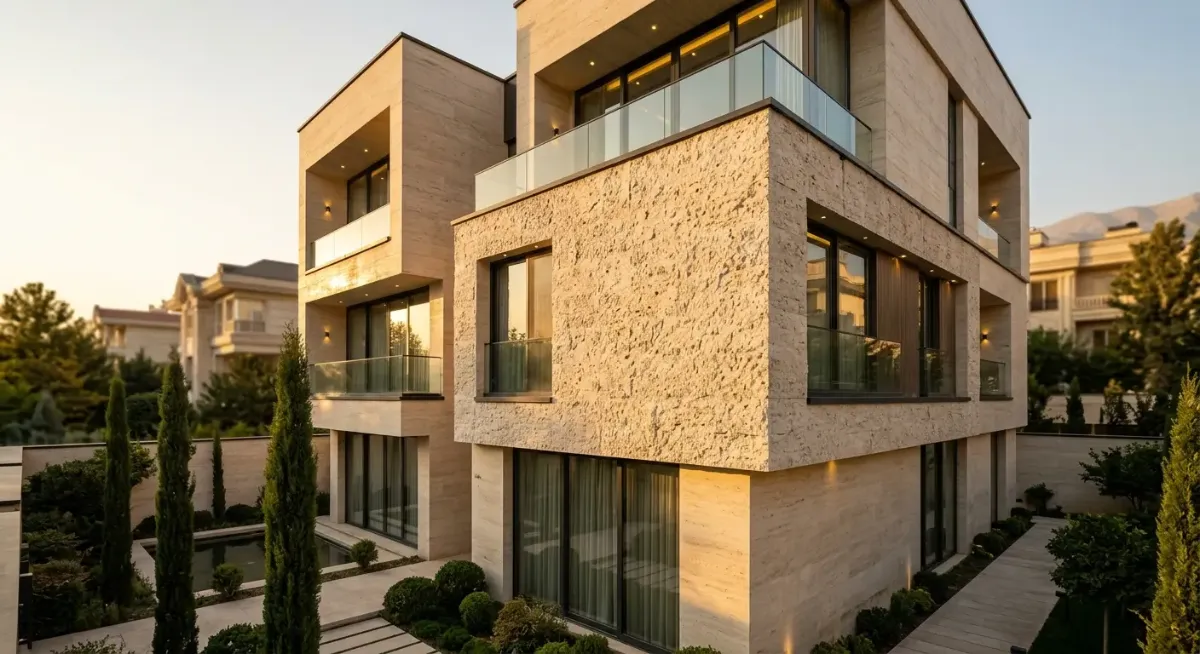
Travertine stone is a popular choice for anyone asking which natural stone can deliver lasting character, flexible design, and reliable performance in a building project. From exterior façades and entrance areas to bathroom walls, kitchen surfaces, and flooring, travertine offers a warm natural look with a wide range of colors, patterns, and finishes. The right choice depends on where the stone will be installed, the local climate, the desired appearance, the maintenance plan, and the technical requirements of the project.
What Is Travertine Stone?
Travertine is a porous limestone formed when calcium carbonate deposits from mineral-rich water, especially around hot springs and limestone caves. As carbon dioxide escapes and water evaporates, layers of calcite and aragonite build up over time. This process creates the stone’s characteristic pores, bands, and naturally layered structure.
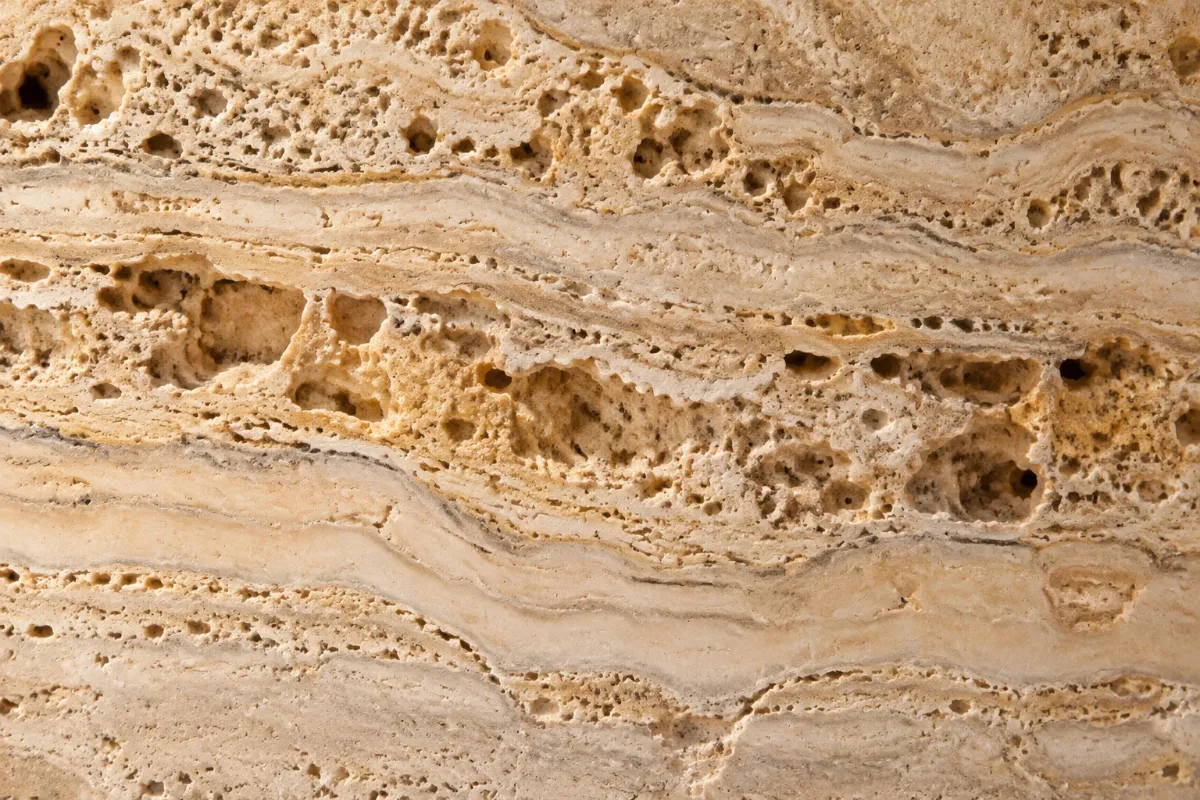
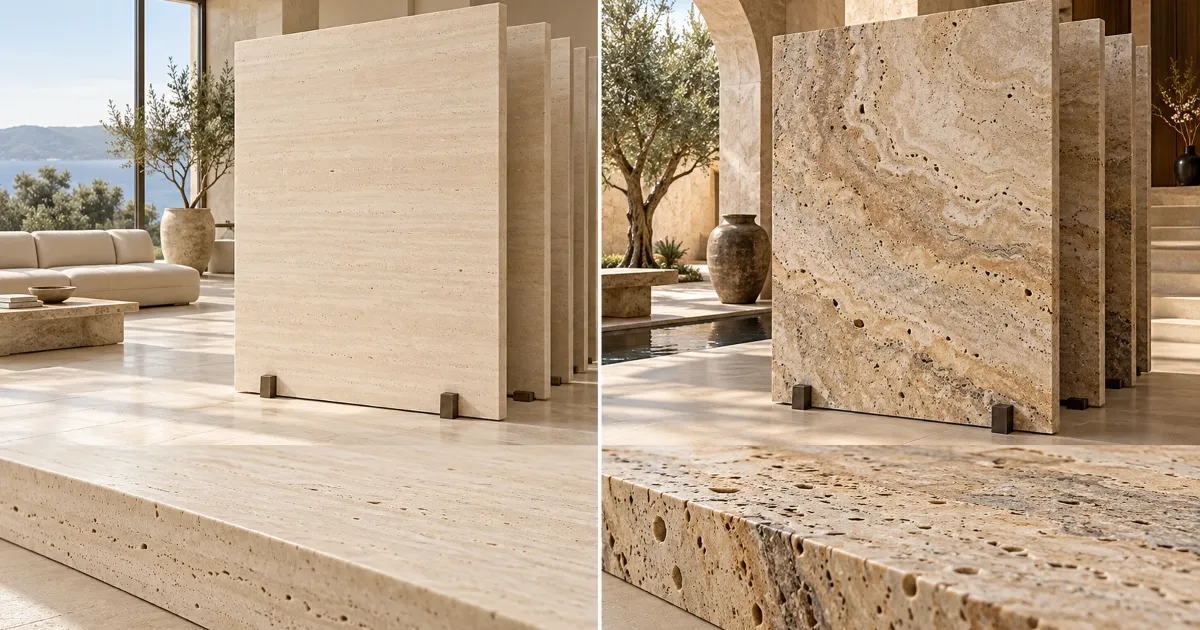
Its open texture is one of the features that separates travertine from denser natural stones such as granite and many types of marble. The pores may appear as small holes, elongated openings, or subtle cavities. These details are part of the stone’s natural identity, not a manufacturing defect. Depending on the finish and the production method, the surface may be filled, partially filled, or left open.
Travertine also shows natural variation from one block or batch to another. Color, veining, pore distribution, and movement can change across the same selection. This variation gives a project an authentic appearance, but it also makes product review and sample approval important before purchase.
Travertine Finishes, Colors, and Design Styles
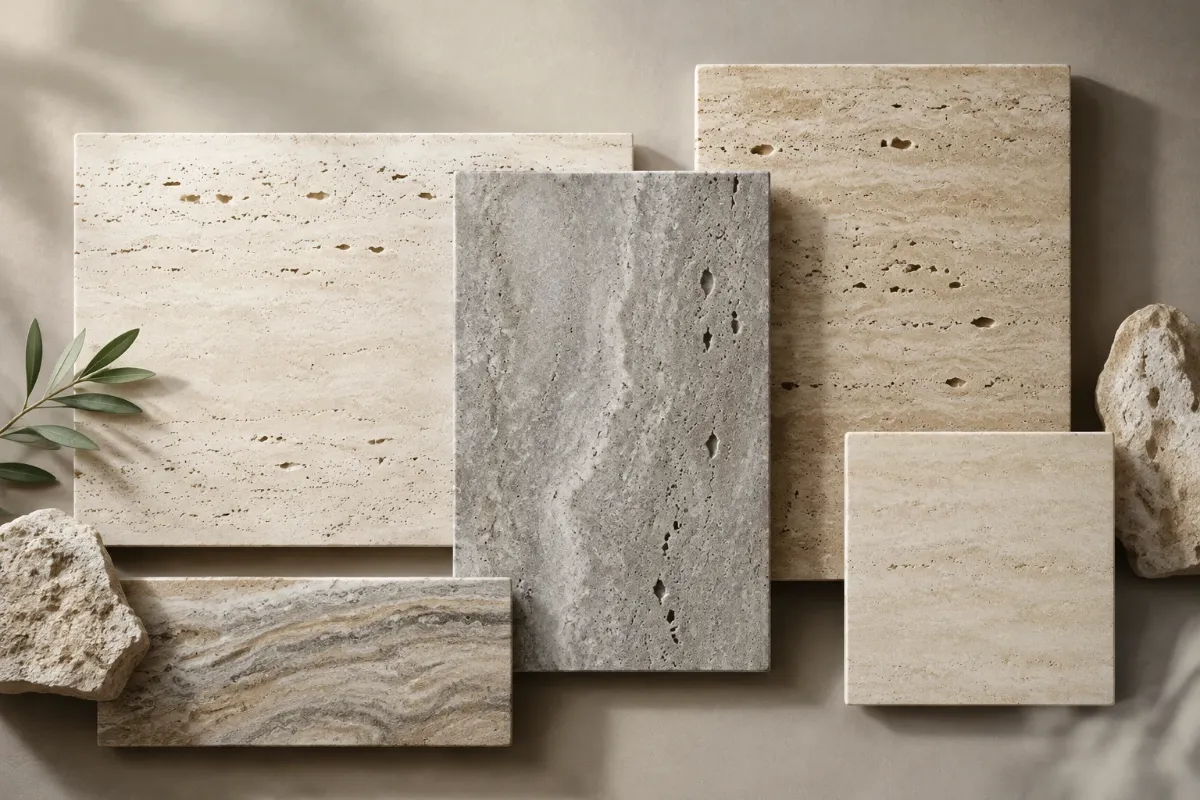
Travertine can support both traditional and contemporary design. Cream, beige, ivory, walnut, and other earthy tones create a calm and welcoming atmosphere. More pronounced bands and movement can add visual depth to a façade, feature wall, floor, or fireplace surround.
Common Travertine Finishes
- Honed travertine: A smooth, low-sheen finish that suits
Travertine stone is a popular choice for façades, floors, walls, kitchens, bathrooms, and outdoor spaces—but how do you choose the right type, finish, and application for your project? The answer depends on the stone’s appearance, porosity, installation conditions, expected traffic, climate, maintenance needs, and budget. This guide explains what travertine is, how it performs, which finishes and applications suit different spaces, and what to check before you buy.
What Is Travertine Stone?
Travertine is a natural limestone formed when calcium carbonate deposits from mineral-rich hot springs and limestone caves. As gases escape and minerals settle over time, the stone develops its characteristic porous texture, layered structure, and natural movement.
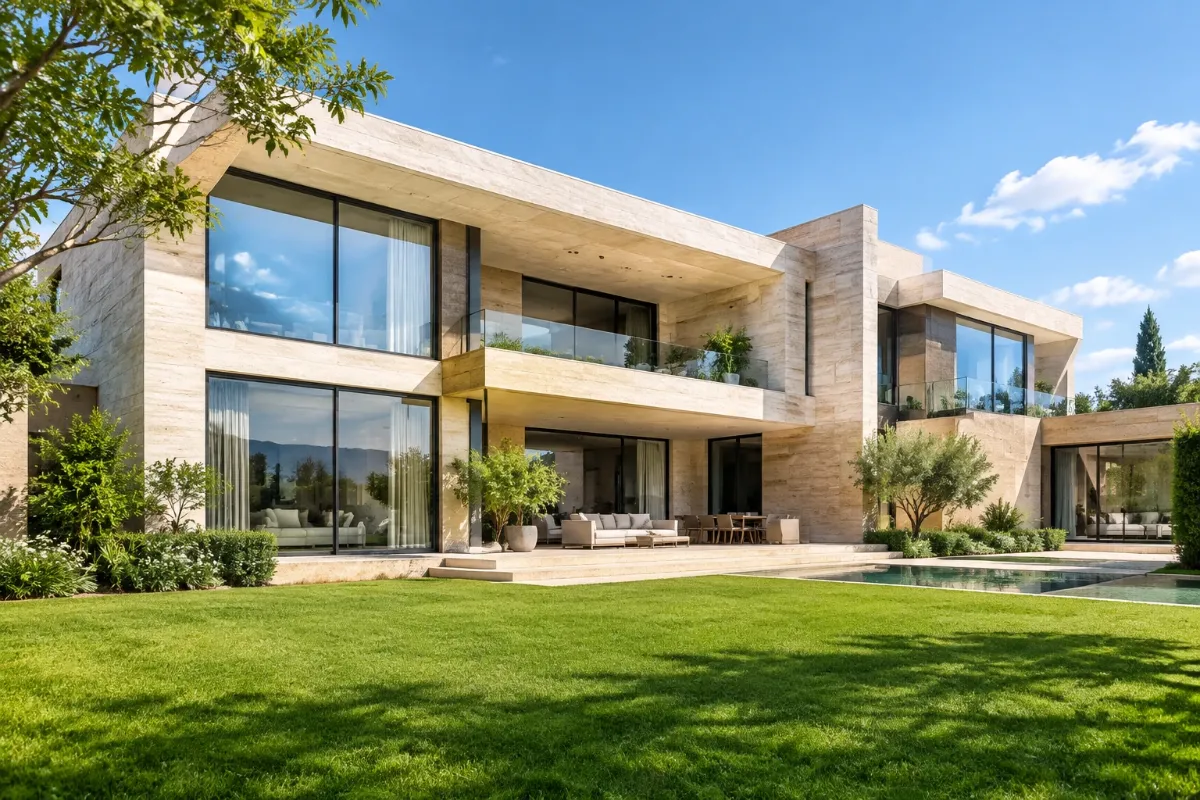
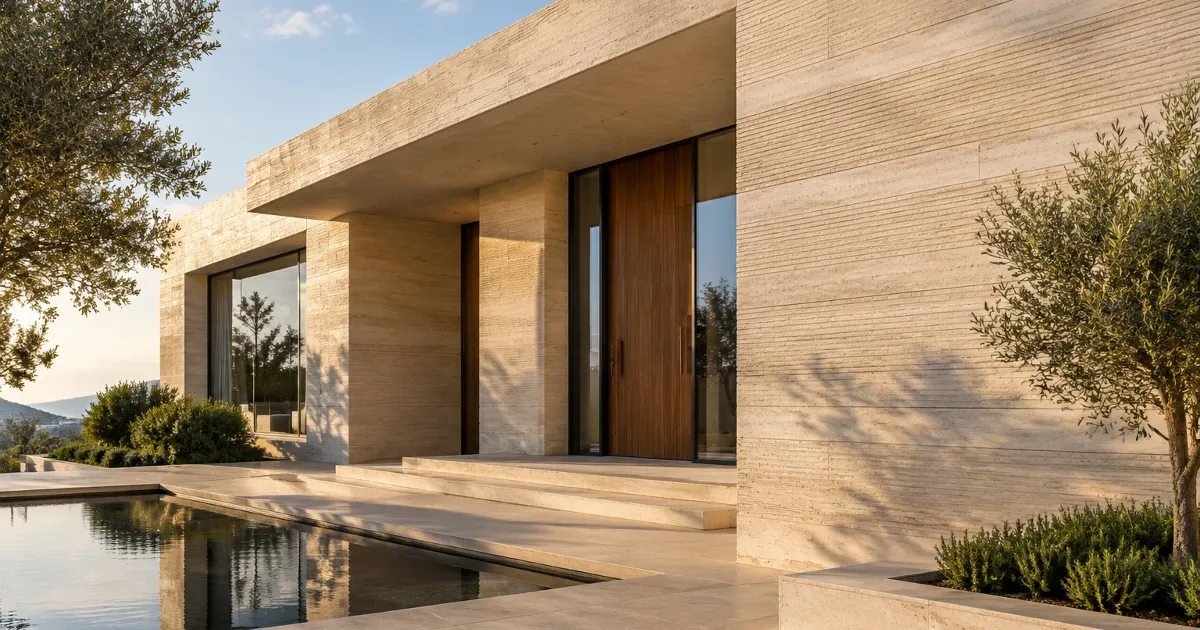
Travertine exterior cladding provides natural insulation and timeless architectural appeal. These small cavities and visible layers are part of travertine’s identity. They help create a warm, organic appearance that is difficult to reproduce with manufactured materials. Depending on the quarry and selection, travertine may feature cream, beige, ivory, walnut, silver, or other naturally occurring tones.
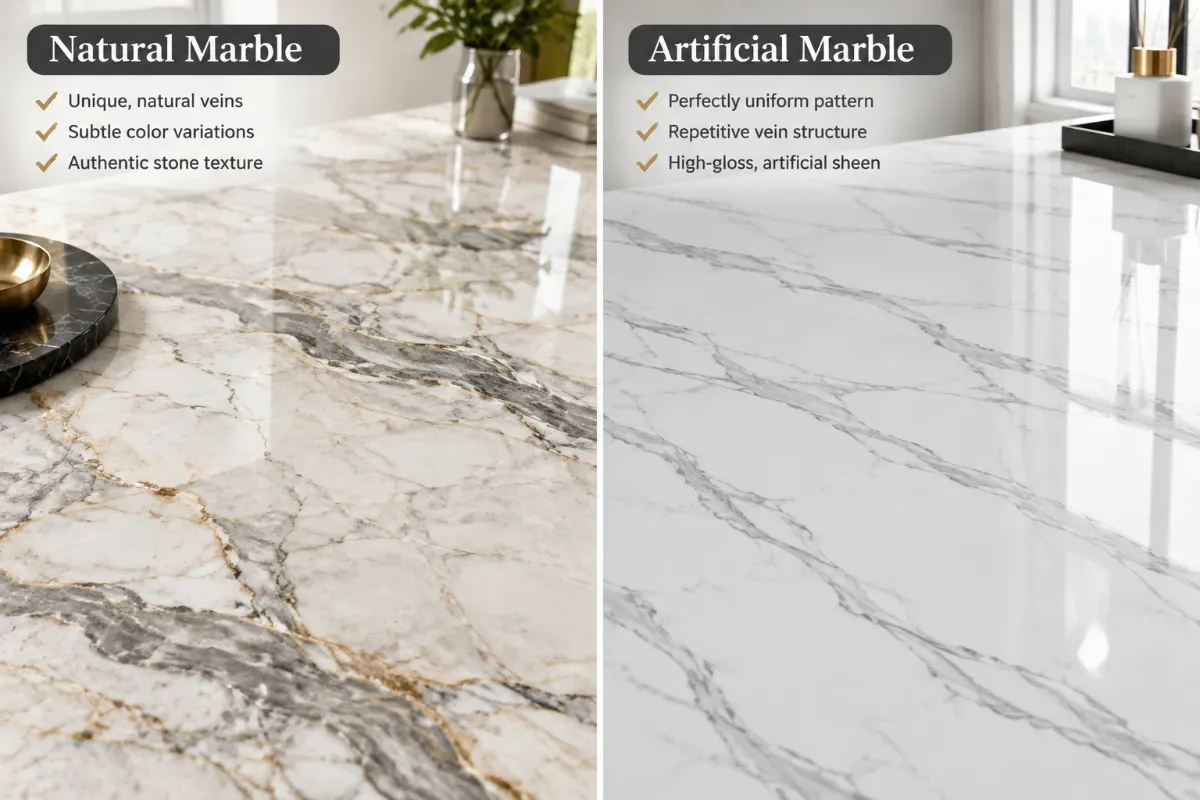
Travertine is different from marble and granite in both appearance and structure. Marble is often known for its crystalline veining and polished finish, while granite generally has a denser, more granular composition. Travertine has a softer visual character, a naturally porous body, and a strong connection to both classical and contemporary architecture.
Travertine Stone Finishes and Design Options
The finish changes the way travertine looks, feels, and performs. It also affects how easily the stone can be cleaned and how suitable it is for a particular location.
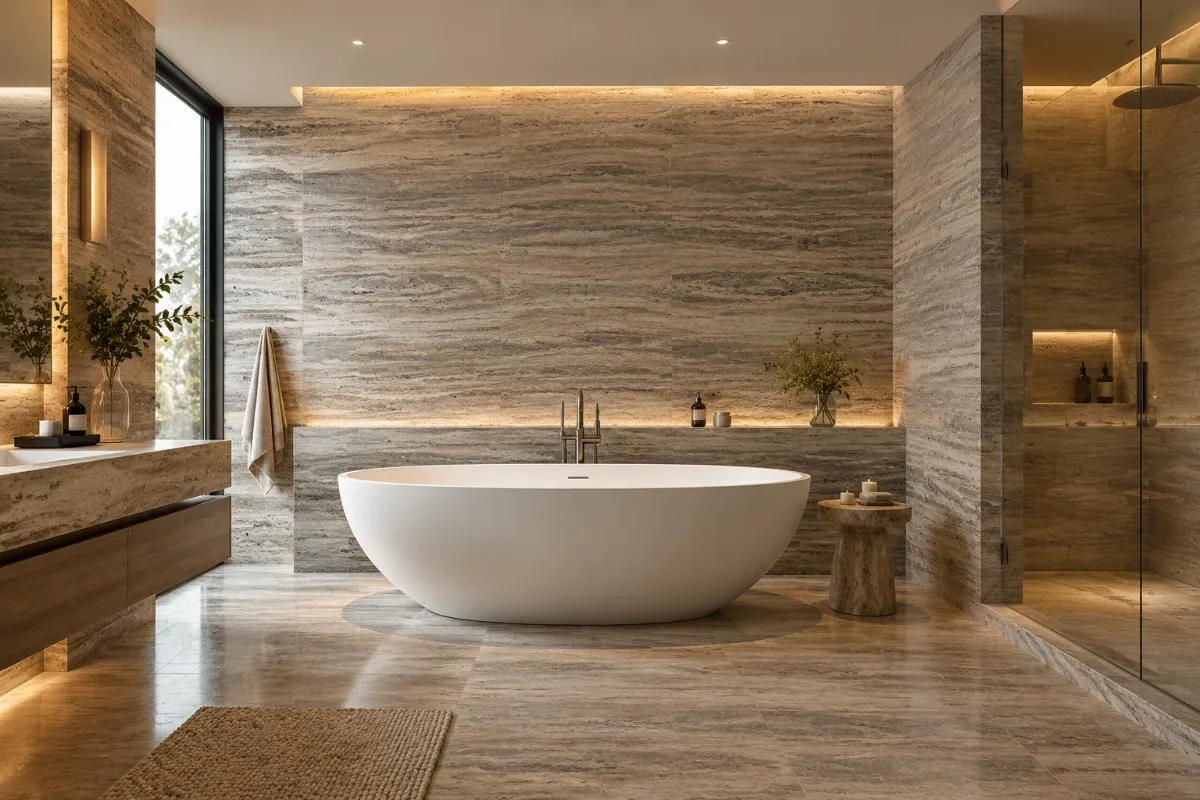
Vein-cut travertine walls bring spa-like serenity and sophisticated texture to master baths. Honed Travertine
Honed travertine has a smooth, low-sheen surface. It offers a calm and modern appearance without the reflective look of polished stone. This finish is often considered for floors, wall cladding, bathrooms, and interiors where a soft natural feel is preferred.
Filled and Unfilled Travertine
Travertine may be supplied with its natural openings left visible or with the cavities filled. Filled travertine provides a more uniform surface and can feel easier to maintain in some interior applications. Unfilled travertine preserves a more rustic and tactile appearance.
The right option depends on the design goal, installation method, exposure to moisture, and maintenance plan. Ask for samples and confirm how the selected stone will be processed before approving the order.
Brushed, Tumbled, and Other Textured Finishes
Textured finishes can emphasize the natural character of travertine. Brushed surfaces create a gently aged appearance, while tumbled finishes produce a more weathered and traditional look. These options may work well for feature walls, garden areas, traditional façades, and spaces designed around natural materials.
Cut Direction and Natural Variation
Travertine can be processed to highlight either its layered direction or its more cloud-like natural movement. The visual result depends on the cut, the block, the selected grade, and the way the pieces are laid. Because natural stone varies from one batch to another, review the actual selection rather than relying only on a general color name.
Travertine Applications: Façades, Flooring, and Interiors
Travertine stone is used across residential, commercial, and architectural projects. Its color range and natural texture allow it to suit both traditional designs and clean contemporary spaces.
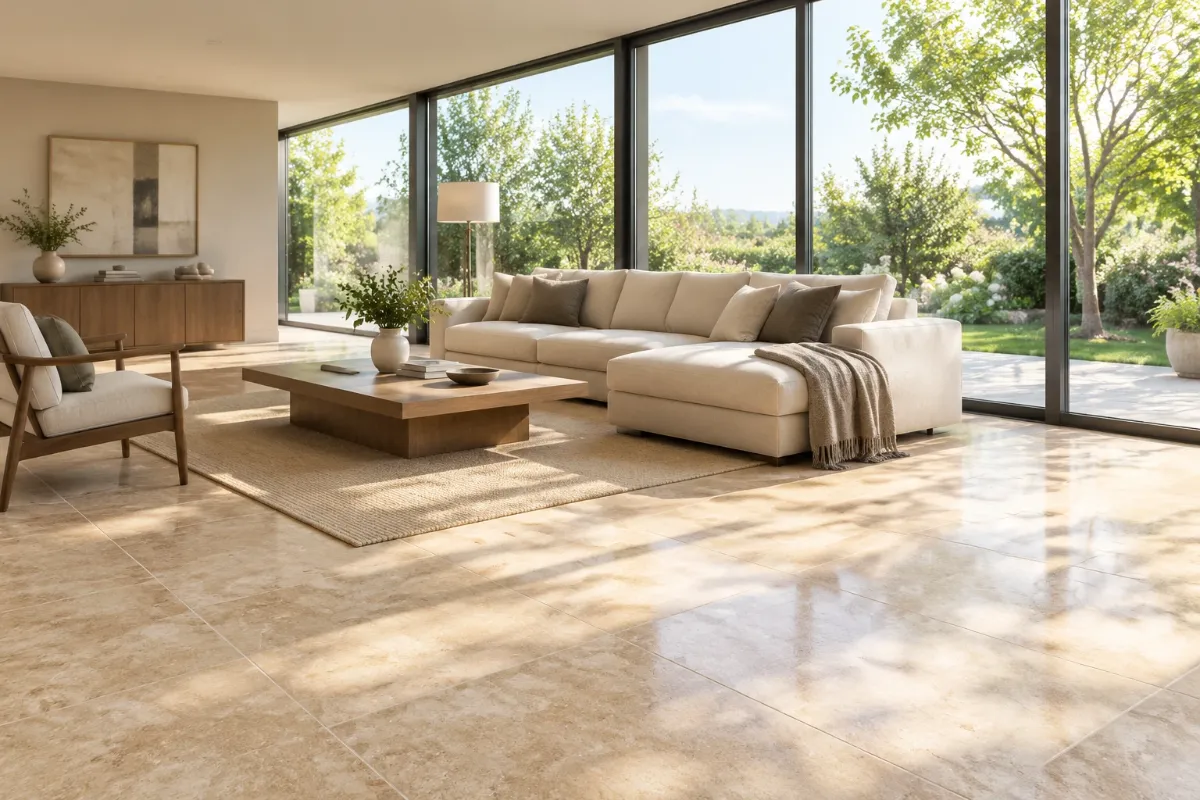
Honed travertine flooring offers a slip-resistant, durable, and naturally cool surface underfoot. - Building façades: Travertine can create a welcoming, durable-looking exterior with a warm natural palette. The stone should be selected according to the local climate, fixing system, joint design, and project requirements.
- Interior flooring: Travertine flooring can add softness and visual continuity to living areas, halls, kitchens, and other interiors. The finish should match the expected foot traffic and cleaning routine.
- Wall cladding: Travertine works well for feature walls, fireplaces, entrance areas, and commercial interiors where texture and natural variation are important.
- Bathrooms: Travertine can bring a spa-like atmosphere to bathrooms, but moisture exposure makes correct sealing, detailing, and regular care especially important.
- Kitchens: It may be used for floors, walls, and selected design features. Surfaces exposed to spills should receive suitable protection and should be cleaned with stone-safe products.
- Outdoor areas: Travertine may be considered for patios, garden paths, steps, and outdoor walls when the finish, installation system, drainage, and local weather conditions are appropriate.
For professional projects, selection should also consider stone thickness, panel size, fixing details, substrate conditions, joint treatment, expected loads, and site exposure. These decisions should be confirmed with the project engineer, installer, or technical consultant.
Travertine Performance, Advantages, and Limitations
Travertine offers a distinctive combination of visual warmth, design flexibility, and practical usability. Its natural variation allows each installation to feel individual rather than repetitive.
- Natural appearance: The layered texture and mineral variation create depth and character.
- Design versatility: Travertine can support classical, rustic, Mediterranean, minimalist, and contemporary styles.
- Good mortar adhesion: Its porous structure can support strong bonding with suitable installation materials and methods.
- Multiple finish options: Honed, filled, unfilled, brushed, and other finishes offer different visual and tactile results.
- Broad application range: It can be considered for façades, flooring, walls, bathrooms, kitchens, and selected outdoor areas.
Travertine also has limitations that should be understood before purchase. It is a porous limestone, so untreated or poorly maintained surfaces may be more vulnerable to staining, moisture penetration, and surface wear. Acidic cleaners can damage calcareous stones. Some finishes may also show marks or texture more clearly than others.
Performance is not determined by the stone name alone. Quarry source, selection quality, processing, finish, thickness, installation, sealing, climate, and maintenance all influence the final result. For technical or export projects, request the available product documentation and confirm that the selected material is suitable for the intended use.
How to Choose and Maintain Travertine Stone
Questions to Ask Before Buying
- Where will the stone be installed: façade, floor, wall, bathroom, kitchen, or outdoor area?
- Should the final appearance be refined and uniform or more natural and rustic?
- Is a filled or unfilled surface more suitable for the project?
- Which color range and natural variation match the design?
- What finish, thickness, edge treatment, and surface texture are required?
- What installation system and fixing method will be used?
- What sealing and cleaning routine will the finished surface need?
- For a professional project, are product samples and available technical documents sufficient for approval?
Basic Care Guidelines
Regular dust and dirt should be removed with a soft broom, vacuum suitable for stone surfaces, or a clean damp mop. Use a pH-neutral cleaner designed for natural stone. Avoid acidic products and harsh chemicals that may etch or discolor travertine.
Sealing can help reduce the risk of staining and moisture penetration, but it does not make the stone completely maintenance-free. The appropriate sealer and maintenance schedule depend on the finish, location, level of use, and manufacturer’s recommendations. Clean spills promptly, especially in kitchens and other areas where liquids may remain on the surface.
Before installation, inspect the actual material, approve the shade and pattern range, and confirm the layout with the installer. Natural variation is expected, so careful planning helps create a balanced final appearance.
Travertine stone can be an excellent choice when its natural character, performance requirements, and care needs are matched to the project. Whether you are an architect, contractor, designer, exporter, homeowner, or renovating couple, Stone 20 can help you compare suitable travertine products for façades, flooring, interiors, and other applications. Explore the Stone 20 product range or contact our team to discuss your project, finish, selection, and purchasing requirements with confidence.
one 20 can help you compare suitable travertine products for façades, flooring, interiors, and other applications. Explore the Stone 20 product range or contact our team to discuss your project, finish, selection, and purchasing requirements with confidence.

💬 Comments & Reviews (0)
No comments yet. Be the first! 😊
✍️ Leave a Comment